Gabriella
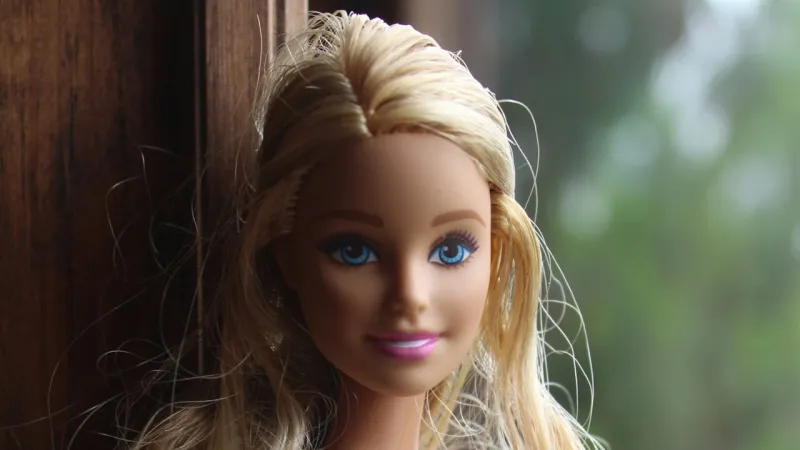
A groundbreaking scientific investigation published in the journal PlosOne reveals that while Barbie dolls have undergone significant design modifications over the past three decades to include more diverse and curvier body shapes, these changes still fall short of accurately representing the vast spectrum of real human body types, particularly concerning male dolls like Ken.
The comprehensive study, which analyzed various doll models spanning three decades, highlighted an undeniable shift from the historically slender and often criticized physique of original Barbie dolls. Researchers observed a measured increase in body mass and more realistic proportions in some newer Barbie iterations.
Despite these observable adjustments, the PlosOne findings assert that the transformation is largely insufficient. The core criticism remains: the dolls continue to perpetuate an idealized and frequently unattainable standard of beauty, creating a persistent gap between toy representation and the average human physique.
Historically, Barbie has faced decades of scrutiny for promoting an unrealistic body ideal that many argued contributed to negative body image and self-esteem issues among young children. This sustained public pressure eventually led toy manufacturer Mattel to introduce more inclusive designs.
In a notable response to public and expert demands, Mattel launched the Barbie Fashionistas line in 2016, which introduced three new body types: Tall, Petite, and Curvy, alongside the original. This initiative was widely hailed as a step toward greater diversity and inclusivity within the iconic brand.
However, the recent PlosOne study specifically scrutinizes the extent of these changes and their impact. It details that while Barbie has seen some incremental improvements in body diversity, the evolution for Ken dolls has been far less pronounced, continuing to mirror an overly muscular and statistically uncommon male physique.
The research team emphasized that the lack of comparable diversification for Ken represents a missed opportunity to address male body image concerns. They argue that boys are also susceptible to media and toy-driven ideals that can foster body dissatisfaction.
Societal implications of such idealized toy representations are profound. Developmental psychologists and child experts have long warned that exposure to consistently unrealistic body shapes in toys can subtly influence children's perceptions of normal and beautiful, potentially contributing to unhealthy comparisons and distorted self-views.
The study advocates for a continued push toward even greater realism and diversity in toy manufacturing, suggesting that true inclusivity extends beyond a few additional body types. It calls for an approach that genuinely mirrors the heterogeneous nature of the global population.
For parents and educators, these findings reinforce the importance of open conversations with children about body diversity and media literacy. Promoting a critical understanding of how toys are designed and marketed can help mitigate the potential negative impacts of idealized imagery.
The toy industry, a multi-billion dollar sector, is increasingly under pressure to evolve with changing social norms and scientific understanding. This PlosOne study adds a robust academic voice to the growing chorus demanding more responsible and representative products for children.
Manufacturers, including giants like Mattel, face the challenge of balancing commercial appeal with social responsibility. While initial steps toward greater Barbie body diversity have been made, the scientific community suggests these efforts represent a foundation rather than a complete solution.
The research concludes with a clear directive: continued innovation in toy design is necessary to ensure that playthings accurately reflect the richness and variety of the human form, fostering healthier self-perception and inclusivity from an early age.
This ongoing discourse surrounding body image and representation extends beyond dolls, influencing discussions in various consumer goods and media. The principles highlighted by the PlosOne study resonate with broader movements advocating for authentic portrayal across all platforms.