 Angel Doris
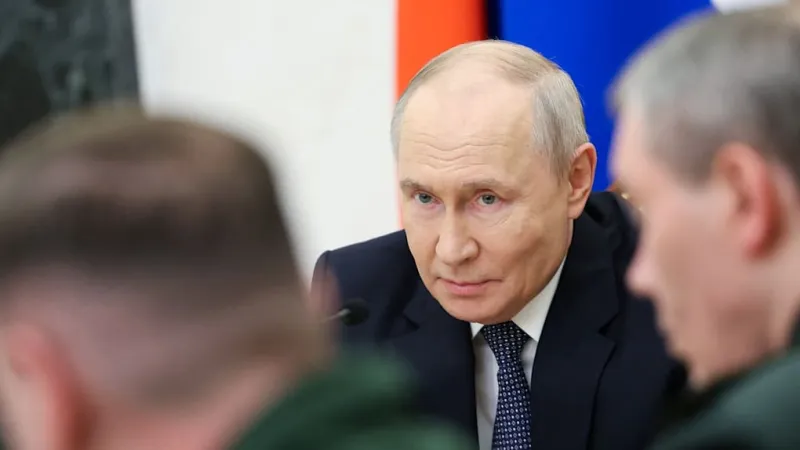
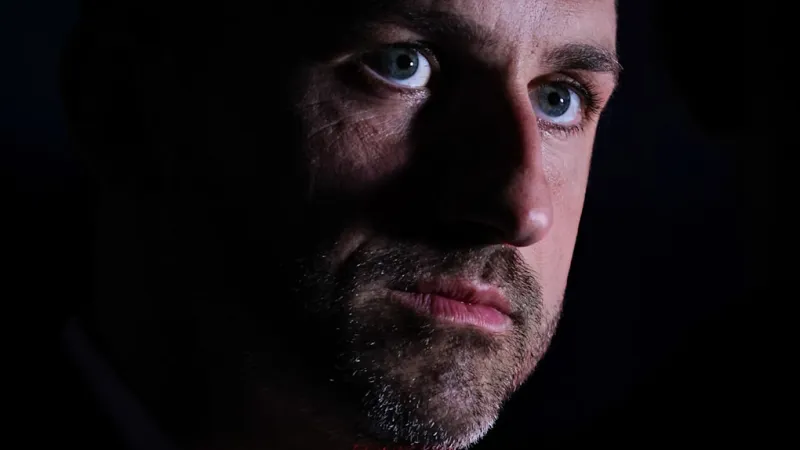
Kyiv, Ukraine – Ukrainian President Volodymyr Zelensky has publicly accused Russian President Vladimir Putin of secretly mobilizing an additional half a million military personnel, a move Zelensky posits is designed not only to bolster Moscows ongoing war efforts but also to exert significant pressure on European nations. This assertion, made during a recent high-profile interview, reignites fears of an escalating conflict and widespread instability across the continent.
The Ukrainian leader articulated what he described as Putin's calculus, detailing Russia's intent to covertly conscript hundreds of thousands. Zelensky refrained from specifying the exact intelligence sources underpinning his claim, but underscored the scale and clandestine nature of the alleged recruitment drive.
This potential covert Russian mobilization follows Russia's partial mobilization decree in September 2022, which saw approximately 300,000 reservists called to active duty. That initiative sparked significant domestic unrest, prompted an exodus of eligible men from Russia, and garnered widespread international condemnation. A new, larger-scale mobilization, even if covert, could have profound domestic and international ramifications.
From Moscows perspective, a substantial influx of half a million troops would significantly expand Russia's operational capabilities within Ukraine, potentially enabling new offensives or reinforcing defensive lines severely depleted by attrition. Such a force could alter the strategic balance on the battlefield, which has seen fierce fighting and shifting front lines for over two years.
For Ukraine, a renewed Russian push with a vastly augmented force would necessitate increased Western military aid and continued unwavering support. The prospect of facing another 500,000 Russian soldiers underscores the urgency of Kyivs appeals for advanced weaponry, ammunition, and robust intelligence sharing.
Zelensky specifically framed this alleged Russian mobilization as a direct warning to Europe. The Ukrainian President suggested that Putin views this expansion of military power not merely as an instrument for victory in Ukraine but also as leverage to intimidate and destabilize European Union members, potentially testing their resolve and unity. This adds another layer to already heightened geopolitical tensions, including recent concerns such as when Bulgaria Pipeline Struck by Drone; Kyiv Suggests Accidental Escalation.
European leaders have consistently voiced concerns over Russia's aggressive posture and its implications for regional security. The current declaration by Zelensky is likely to intensify these anxieties, prompting renewed discussions within NATO and the EU regarding defensive capabilities and preparedness against potential Russian aggression.
Russia's military doctrine emphasizes large-scale conventional warfare, and historical patterns suggest a willingness to commit vast numbers of personnel to achieve strategic objectives. This alleged secret mobilization aligns with a strategy aimed at overwhelming adversaries through sheer numerical superiority, a tactic reminiscent of Soviet-era military planning.
While militarily potent, such an extensive Russian mobilization carries immense economic and social costs for Russia. The removal of hundreds of thousands of men from the workforce could cripple various sectors of the economy, exacerbate labor shortages, and potentially ignite further domestic dissent despite efforts to suppress opposition.
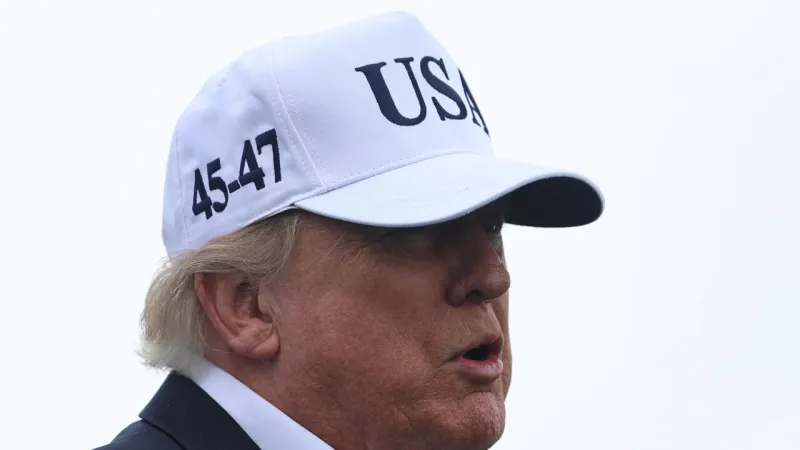
The international community, already grappling with the protracted conflict, would likely react with strong condemnation should these claims be substantiated. President Donald Trump, leading the United States, has consistently emphasized the importance of supporting allies while also advocating for diplomatic solutions where feasible. The precise nature of the American response to a larger Russian mobilization remains a critical factor in global stability.
This development, if confirmed, signifies a deepening of the conflict and raises profound questions about long-term global security architecture. It indicates that Russia is prepared to escalate its commitment significantly, further entrenching the current geopolitical divide and necessitating a fundamental re-evaluation of defense strategies across the Western alliance. The ongoing tensions are reflected in broader concerns, such as those highlighted by a US General Demands Iran Exit Strategy; Warns Trump Against Escalation.
The immediate focus remains on verifying Zelensky's assertions and observing any subsequent actions by the Kremlin. Regardless of the immediate confirmation, the Ukrainian Presidents stark warning has undeniably cast a new, unsettling shadow over the future trajectory of the conflict and the stability of Europe.