 Debby Wijaya
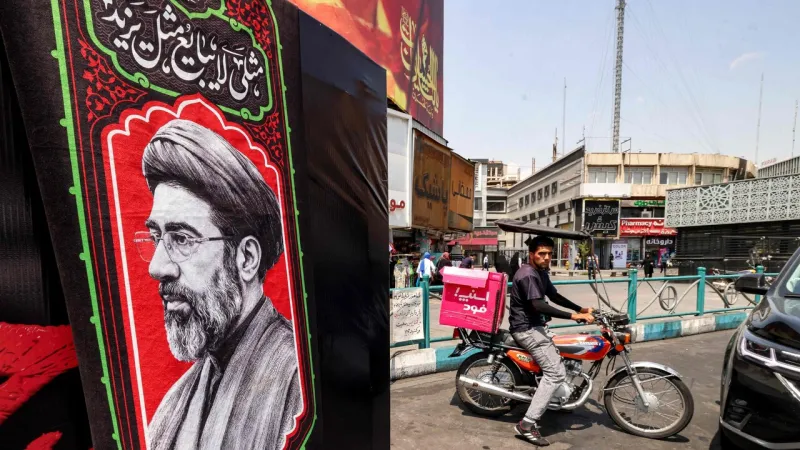
A high-ranking United States general has reportedly urged President Donald Trump to formulate a comprehensive Iran exit strategy, cautioning that any further escalation in the volatile Middle East region would prove counterproductive. This plea comes as Tehran asserted its sovereignty over the Strait of Hormuz, declaring it would reopen the crucial waterway under its own conditions, exacerbating already strained diplomatic relations.
General Caine, a prominent voice within military circles, communicated his concerns directly to President Trump, emphasizing the need for a calculated disengagement rather than a continued build-up of tensions. His advice highlights a potential divergence in strategic thinking within the administration regarding Iran policy in 2026.
The general's warning underscores the delicate balance of power in the Persian Gulf, a region perennially on edge. Military analysts suggest Caines counsel aims to avert unintended consequences stemming from an increasingly aggressive posture, which could easily spiral into broader conflict.
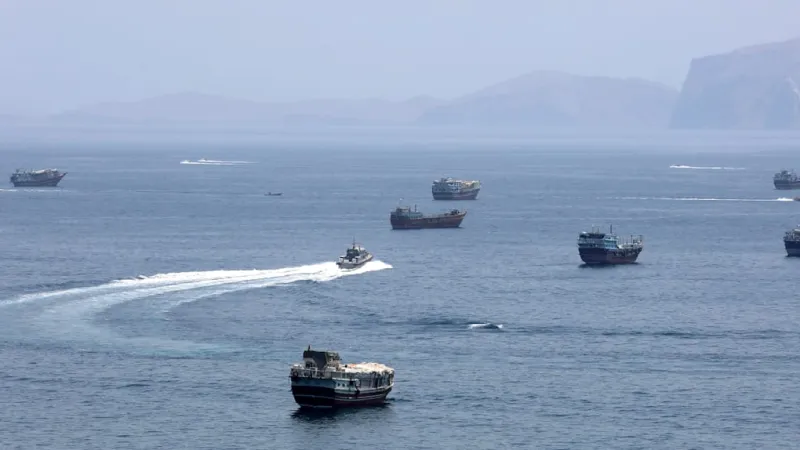
Meanwhile, the Iranian government, through official channels in Tehran, issued a definitive statement regarding the Strait of Hormuz. The declaration signifies Iran's unwavering resolve to control access to the strategic choke point, a move that has historically led to international maritime concerns.
The Strait of Hormuz holds immense global significance, acting as the passageway for approximately one-fifth of the world's total oil consumption. Any disruption to its navigability can send shockwaves through international energy markets and destabilize the global economy.
Iran has previously demonstrated its capacity and willingness to impact maritime traffic in the strait. Incidents involving commercial vessels and military encounters have punctuated the history of this vital waterway, serving as stark reminders of its geopolitical importance. For example, reports have previously detailed how missile strikes targeted a UAE vessel in Hormuz, further illustrating the volatility.
The demand for an Iran exit strategy from General Caine reflects a growing sentiment among some defense strategists who believe that current policies risk entangling the US in a prolonged and costly engagement. They advocate for a diplomatic off-ramp to de-escalate rather than confront.
President Trump's administration has maintained a firm stance against Iran, citing various regional activities and nuclear ambitions as grounds for robust sanctions and military deterrence. The general's intervention introduces a new layer to this complex policy debate, suggesting a need for reconsideration.
Observers are now closely watching how President Trump will respond to General Caine's advice and Tehran's latest pronouncement. The decisions made in the coming weeks could define the trajectory of US-Iran relations for the foreseeable future and impact regional stability.
Further escalation, as warned by General Caine, could involve heightened military exercises, increased naval presence, or even limited engagements, each carrying the risk of a wider confrontation. The economic ramifications of such a scenario would be severe for all parties involved, including global trade partners.
Tehran's conditions for reopening the Strait of Hormuz are yet to be fully detailed but are widely anticipated to include demands for the lifting of certain sanctions or guarantees regarding its regional security interests. This posturing signals Iran's intent to leverage its strategic position.
The global community, including major trading nations, is undoubtedly concerned about the prospect of restricted passage through Hormuz. International efforts typically aim to ensure freedom of navigation in such critical international waters.
The call for an Iran exit strategy is not merely about withdrawing forces; it encompasses a broader diplomatic framework that seeks to address underlying grievances, establish communication channels, and forge a pathway toward a more stable regional environment without resorting to military conflict.
Such a strategy would require intricate negotiations and a nuanced understanding of regional dynamics, moving beyond maximalist pressure tactics that have so far characterized much of the interactions between Washington and Tehran. The current atmosphere suggests urgency for such initiatives.
Ultimately, the confluence of General Caines pressing counsel and Tehrans assertive declaration paints a clear picture of an increasingly precarious geopolitical situation. The path forward for US foreign policy in the Middle East hangs in a delicate balance, demanding careful consideration and strategic foresight from President Trump and his advisors.