 Stefani Rindus
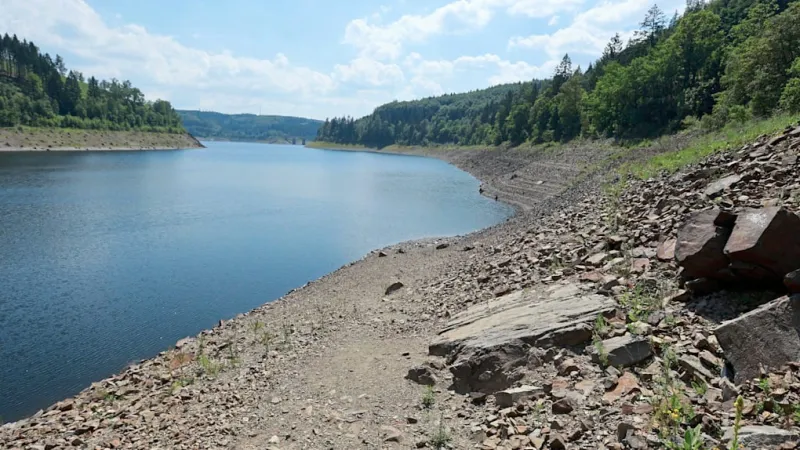
HARZ DISTRICT, Germany – Local authorities in the Harz district have enacted an immediate and stringent ban on water extraction from all surface waters, a direct response to critically low water levels recorded across the region. The decree, which applies to rivers, streams, and lakes, aims to safeguard essential ecosystems and maintain sufficient reserves amidst an escalating environmental challenge.
The prohibition, effective immediately, targets both private individuals and commercial entities, including agricultural operations and industrial users. Officials emphasize the measure is crucial to prevent further depletion of water bodies, which have seen their levels drop precipitously following an extended period of insufficient rainfall and heightened evaporation rates.
Environmental experts in the region point to a confluence of factors contributing to the current predicament. Persistent dry spells, exacerbated by increasingly frequent heatwaves, are straining the natural water cycle. This pattern aligns with broader climate change trends observed across Central Europe, making water scarcity a more common occurrence.
The district administration stated that the primary objective of the ban is to ensure the continued survival of aquatic flora and fauna, which are highly vulnerable to habitat loss and reduced water quality when levels fall too low. Furthermore, it seeks to secure the long-term supply of drinking water for residents.
Agricultural communities within the Harz district are particularly impacted by the new regulations. Farmers who rely on surface water for irrigation now face significant challenges in sustaining their crops, potentially leading to reduced yields and economic hardship. The situation underscores the urgent need for adaptable farming practices and robust water management strategies.
Local environmental agencies have been actively monitoring water levels for weeks, noting a consistent downward trend that ultimately necessitated this drastic intervention. Data collected from various measuring points across the district revealed alarming declines, prompting officials to act decisively to avert a more severe ecological crisis.
Public awareness campaigns are being launched to inform residents about the ban and encourage responsible water use in their daily lives. Citizens are urged to conserve water wherever possible, recognizing that every effort contributes to the collective goal of preserving this vital natural resource.
This immediate intervention underscores the growing urgency of sustainable resource management across Europe. Similar challenges in resource allocation and environmental preservation are highlighted by initiatives such as Italy's Renewable Energy Target: Doubling Production by 2030 Critical, which aims to mitigate broader environmental impacts through policy.
District officials have not yet specified an end date for the ban, indicating that the restriction will remain in place until sustained rainfall replenishes water bodies to a safe and sustainable level. Regular assessments will be conducted to monitor the situation and inform future decisions.
Non-compliance with the water extraction ban could result in significant penalties, authorities warned. Enforcement teams will be conducting checks to ensure adherence to the new regulations, emphasizing the seriousness of the environmental situation and the necessity of public cooperation.
The long-term implications of these recurring low water events are prompting deeper discussions about regional water infrastructure and land use planning. Experts advocate for investments in drought-resistant crops, improved irrigation efficiency, and potential water storage solutions to build resilience against future climate shocks.
This measure serves as a stark reminder of the increasing pressure on natural resources in a changing climate. The Harz district’s proactive stance reflects a broader European trend of regional governments implementing emergency measures to protect their water supplies.