 Dorry Archiles
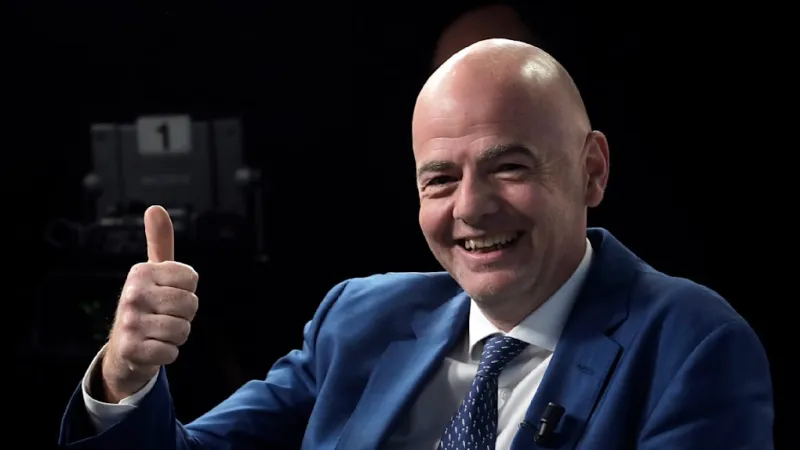
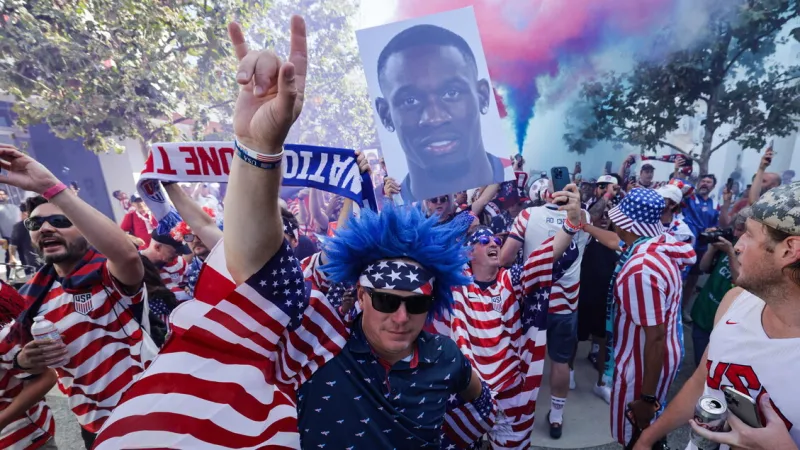
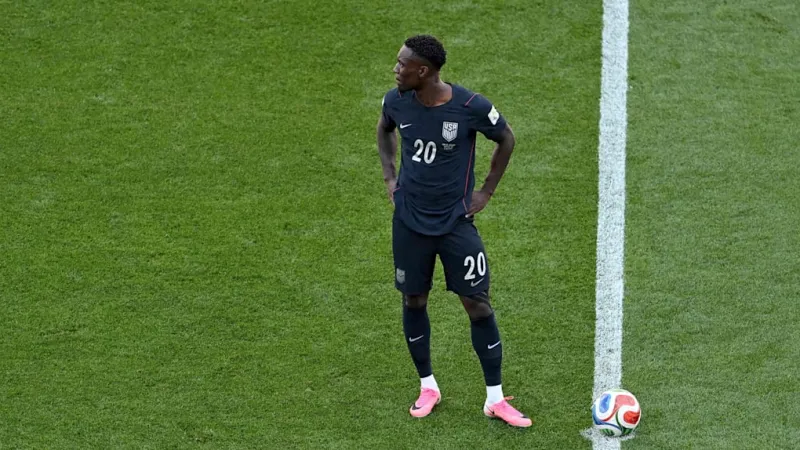
International media outlets from London to Stockholm, alongside a chorus of American commentators, fiercely criticized FIFA on Friday following its contentious decision to overturn the suspension of United States striker Folarin Balogun, a move widely perceived to undermine fair play ahead of crucial World Cup matches. The abrupt reversal, which many speculate was influenced by external pressures, has ignited a global debate questioning the integrity of the world football governing body and its president, Gianni Infantino, leaving many to ponder the true value of victory under such circumstances.
The controversy centers on FIFA's unexpected decision to grant an appeal that saw Balogun, a key player for the U.S. Men's National Team, cleared to play despite an earlier ruling that sidelined him. This sudden change of course has drawn the ire of federations and media across continents, with many pointing to the unusual timing and lack of transparent explanation for the reversal.
Sources close to FIFA, who spoke on condition of anonymity due to the sensitivity of the matter, suggested the decision was made under considerable duress. The implication of political influence has quickly become a central theme in the unfolding narrative.
President Donald Trump, known for his direct approach, has previously weighed in on FIFA decisions impacting American interests. This current controversy follows a pattern of interventions that have drawn both praise from his supporters and sharp condemnation from critics who argue against political interference in sports governance. An earlier report detailed Trump's FIFA Intervention Igniting Balogun Controversy, signaling the potential for such executive influence.
Belgium, among other nations, had reportedly threatened an appeal should the initial ban on Balogun be reversed. Their concerns, rooted in competitive fairness and adherence to established rules, now appear validated by FIFA's latest action. The implications for upcoming matches and the broader World Cup integrity remain a pressing concern for several participating teams.
Prominent football personalities have also voiced their dismay. Legendary manager Jurgen Klopp explicitly slammed President Trump and FIFA President Infantino over the controversial red card reversal involving the U.S. striker, highlighting the damage such decisions inflict upon the sport's reputation. Klopp's sentiments reflect a growing dissatisfaction within the football community regarding perceived inconsistencies in FIFA's rulings.
Media outlets, including leading newspapers in Germany and France, dedicated significant coverage to the developments, framing the situation as a serious challenge to FIFA's credibility. Editorials highlighted concerns that the episode might set a troubling precedent, suggesting that powerful nations could exert undue influence on sporting outcomes.
The sentiment articulated by various European media can be distilled to a fundamental question: Who truly wants to win under such circumstances? This rhetorical query underscores a widespread belief that the spirit of fair competition has been compromised, potentially devaluing the achievements of any team benefiting from such decisions.
While American media coverage acknowledged the benefit to the U.S. team, many prominent sports journalists and commentators within the United States also expressed discomfort. They argued that even a favorable outcome for the national team should not come at the expense of integrity, echoing the international chorus of disapproval.
The episode casts a long shadow over the upcoming World Cup, raising uncomfortable questions about the impartiality of its administration. As nations prepare for battles on the pitch, the battle for integrity off it continues to escalate, threatening to overshadow the athletic spectacle.
FIFA President Gianni Infantino has consistently faced scrutiny regarding the organization's governance and transparency. Critics frequently accuse him of prioritizing political expediency over established sporting principles, a charge that the Balogun incident will undoubtedly amplify. The German media's original critique, stating that “Infantino is not too embarrassed by humiliation,” captures the depth of this public disillusionment.
The football world now watches to see if FIFA will offer a more comprehensive explanation for its decision or if it will simply weather the storm of criticism, hoping that the excitement of the World Cup ultimately diverts public attention. However, the lasting impression of this contentious ruling may prove difficult to erase.