 Dorry Archiles
ROME – A comprehensive report from a national study service indicates that renewable energy sources currently account for only 20% of Italy's total energy consumption. This critical assessment underscores an urgent need to double this contribution by 2030 if the nation is to meet its ambitious climate and energy targets, with the transport sector identified as the most formidable challenge.
The findings, derived from extensive monitoring by a respected parliamentary research body, highlight the disparity between current progress and projected requirements. The 20% figure represents a foundation, yet it pales in comparison to the substantial leap necessary in the next four years to achieve the nationally and European mandated objectives.
The 2030 deadline looms large, demanding a concerted and accelerated effort across all sectors. The study emphasizes that simply maintaining the current pace of renewable integration will be insufficient, necessitating a strategic overhaul and significant investment to bridge the impending energy gap.
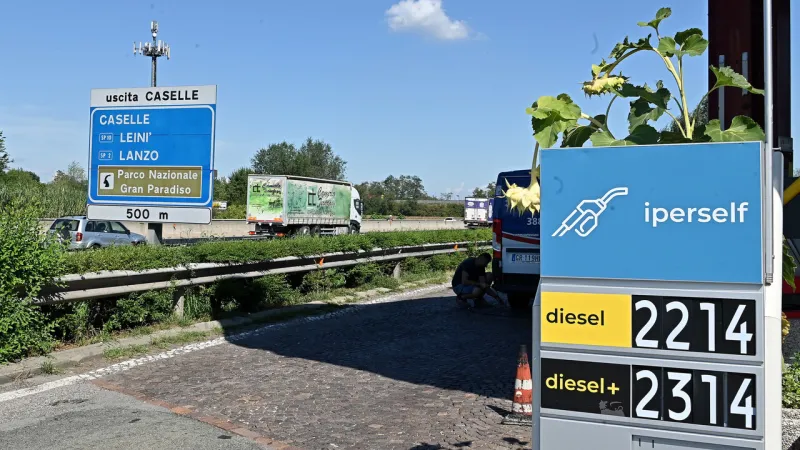
The transport sector emerges as a particular area of concern. Unlike electricity generation, which has seen substantial advancements in renewable penetration, the reliance on fossil fuels for road, rail, air, and maritime transport poses a stubborn hurdle. Transitioning this sector will require transformative changes in infrastructure, technology, and consumer behavior.
Experts point to the slow uptake of electric vehicles, the nascent stage of sustainable aviation and maritime fuels, and the enduring dominance of internal combustion engines as primary reasons for this stagnation. Policy initiatives aimed at incentivizing cleaner transport solutions have yet to yield the necessary systemic shift.
Achieving the 2030 target is not merely an environmental imperative but also an economic one. Increased reliance on renewable energy enhances energy security, reduces dependency on volatile international energy markets, and stimulates green job creation within the country.
The report suggests that Italy must foster a more supportive regulatory environment, streamlined permitting processes for new installations, and robust financial incentives for both producers and consumers to accelerate the transition. Public-private partnerships will be crucial in deploying large-scale renewable projects.
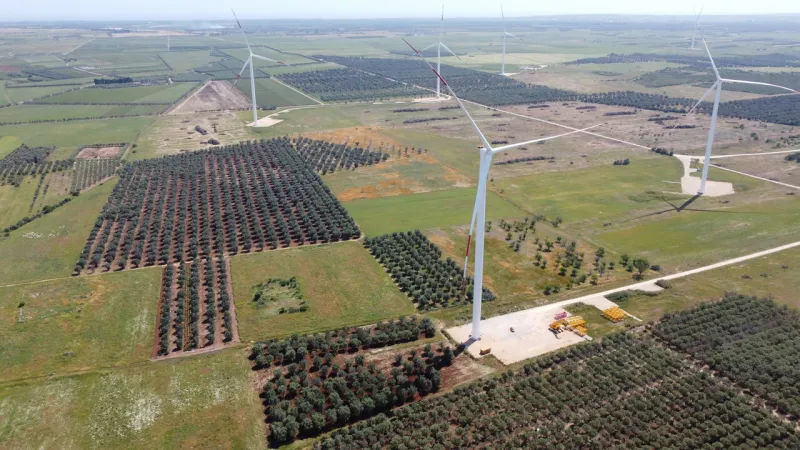
While solar and wind power continue to expand, the study implicitly calls for diversification into other renewable technologies, such as geothermal and hydro, where feasible. Innovation in energy storage solutions is also paramount to ensure grid stability as intermittent renewables become more prevalent.
For the transport sector specifically, a multi-pronged approach is essential. This includes expanding electric vehicle charging networks, investing in public transport infrastructure, promoting sustainable urban mobility, and exploring advanced biofuels and hydrogen as viable alternatives for heavier transport modes.
Government officials, responding to the report, acknowledged the significant undertaking ahead. They reiterated commitments to the European Green Deal and national decarbonization strategies, recognizing that the current trajectory necessitates a more aggressive posture.
Collaboration between industry, academia, and governmental bodies is vital to research and develop cutting-edge solutions tailored to Italy's unique energy landscape. Scaling up existing successful initiatives and learning from international best practices will inform future policy.
The challenge presented by the 2030 target extends beyond technological implementation; it involves a societal shift. Educating the public on the benefits of renewable energy and sustainable consumption patterns plays a significant role in fostering broad support for the transition.
Indeed, the report serves as a critical alarm bell, signaling that while progress has been made, the ambitious goals set for 2030 demand an exponential increase in effort and investment. The next four years will be decisive for Italy's energy future and its contribution to global climate action.