 Dodi Irawan
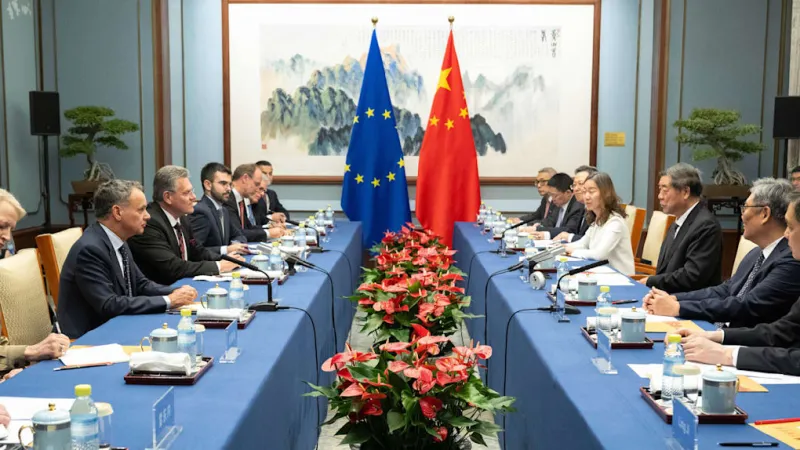
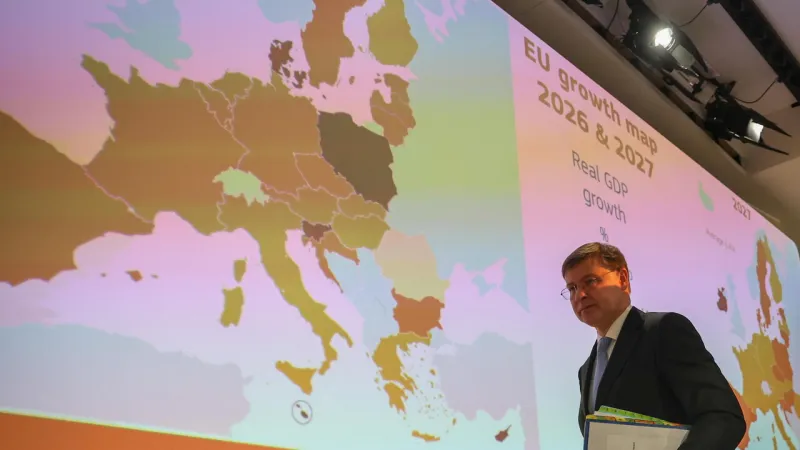
The European Union has initiated a determined economic confrontation with China, explicitly aiming to counteract a staggering one-billion-euro daily trade deficit and the erosion of tens of thousands of industrial jobs across the continent. This strategic pivot, unfolding in 2026, marks a significant escalation in Brussels effort to employ its distinct economic advantages as leverage against Beijing.
This formidable daily deficit translates into an unsustainable annual burden for the EU, severely impacting its economic stability and competitive standing on the global stage. The imbalance has been a growing concern, with European leaders increasingly vocal about the need for a re-evaluation of trade practices.
The widespread loss of industrial jobs across key European sectors directly correlates with what many perceive as unfair competition and market distortions originating from China. Industries ranging from manufacturing to technology have felt the acute pressures of this imbalance, leading to calls for robust protective measures.
Brussels strategy hinges on what officials describe as playing to its strengths mercilessly. This includes leveraging Europes vast consumer market, its powerful regulatory framework, and its position as a hub for technological innovation. These elements represent formidable tools in any global economic contest.
Among the specific measures under consideration or already being prepared are intensified anti-dumping investigations, stricter scrutiny of state subsidies provided to Chinese companies, and more rigorous reviews of foreign investments within the EU. The objective is to ensure a level playing field and prevent predatory economic practices.
The current resolve represents a notable shift in the historical trajectory of EU-China economic relations. For decades, the emphasis often leaned towards cooperation and engagement, but the escalating trade imbalances and geopolitical tensions have necessitated a more assertive stance from the European bloc.
This economic posture also aligns with a broader hardening of Europes foreign policy, influenced by evolving global dynamics. Insights from analyses such as Dmytro Kuleba Alters Putin Stance: Europe Faces Grim New Reality highlight the continents growing readiness to confront challenging realities in international relations.
However, the strategy is not without its internal complexities. Divergent economic interests among member states and ongoing fiscal challenges, including significant budget cuts as detailed in reports like EU Budget Faces €141 Billion Cut Amidst Frugal Resistance, could present hurdles to a fully unified front.
Beijing, in response, is expected to view these actions as protectionist and potentially retaliatory. Any significant European measures could provoke countermeasures, setting the stage for a protracted period of economic tension between the two global powers.
Such an intensified Europe China power struggle carries significant ramifications for global trade and supply chains. Companies operating internationally may face increased uncertainty, and the global economic order could experience further fragmentation as blocs assert their interests.
The ultimate goal for the EU is not merely to impose penalties but to fundamentally rebalance trade relations, foster an environment of fair competition, and safeguard its strategic industries and technological sovereignty. This ambitious undertaking aims for long-term structural changes rather than short-term gains.
This high-stakes confrontation underscores Europes determination to protect its economic interests and secure its industrial future. The coming months will reveal the initial impacts of this assertive strategy, signaling a new chapter in the complex relationship between the European Union and China.