Gabriella
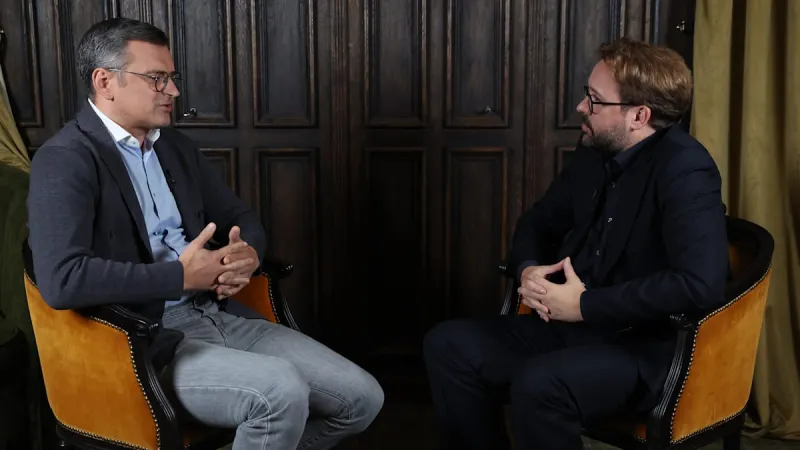
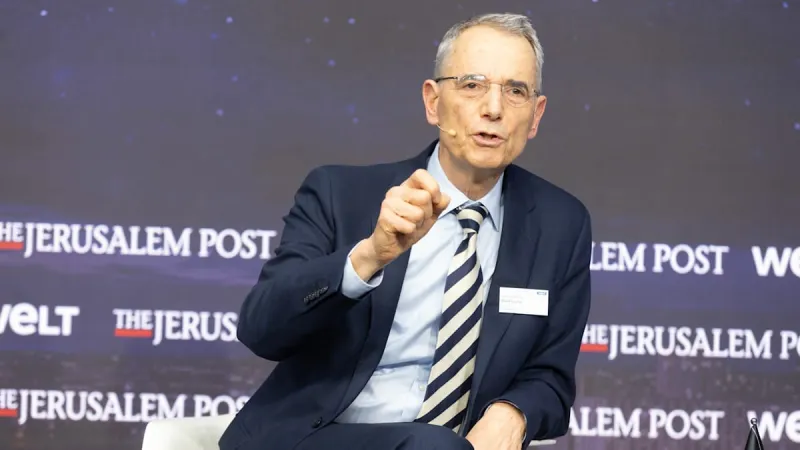
BERLIN – Dmytro Kuleba, the former Foreign Minister of Ukraine, has articulated a significant reevaluation of Russian President Vladimir Putin, urging European nations to prepare for what he described as an entirely new geopolitical reality. Speaking during an exclusive interview with journalist Paul Ronzheimer, Kuleba explained how his understanding of Putin's intentions and capabilities has fundamentally shifted, a revelation he believes carries profound implications for continental security and international relations.
The stark warning from the seasoned Ukrainian diplomat emerged as a critical point in his conversation with Ronzheimer, highlighting a departure from previous diplomatic assessments and signaling a more urgent posture for European policymakers. Kuleba did not merely suggest a strategic adjustment but rather underscored a paradigm shift in how Europe must perceive and engage with the Kremlin.
Kuleba detailed that his earlier views, like those of many international observers, were rooted in certain assumptions about rational statecraft and a predictable geopolitical framework. However, years of direct engagement and witnessing Russia's actions, particularly in the ongoing conflict with Ukraine, have compelled him to acknowledge a more profound and unsettling shift in Putin's motivations and objectives.
The former minister emphasized that this redefined perspective on Putin is not an academic exercise but a practical necessity for European self-preservation. He stressed that complacency or reliance on outdated diplomatic paradigms would prove perilous as Russia continues to pursue its strategic ambitions with relentless resolve.
Europe, Kuleba asserted, can no longer afford to view Russia's actions through the lens of a regional conflict. Instead, it must grasp the broader implication that Moscow's conduct signals a deliberate attempt to dismantle existing international norms and reshape the European security architecture to its own advantage.
This new reality, according to Kuleba, necessitates a comprehensive overhaul of European defense strategies, economic dependencies, and diplomatic approaches. He implicitly challenged the notion that a return to pre-conflict relations with Russia is feasible or desirable, advocating for a long-term strategy built on strength and unwavering resolve.
The interview, conducted by Paul Ronzheimer, known for his incisive reporting on international affairs, provided a platform for Kuleba to articulate these critical insights with considerable gravity. Ronzheimer’s direct questioning allowed for a thorough exploration of the factors contributing to Kuleba's changed assessment and its potential ramifications.
The urgency of Kuleba’s message resonates amidst ongoing global discussions about the conflict. Only recently, President Donald Trump called for new Ukraine leadership, a sentiment that adds another layer of complexity to the already volatile situation and highlights the diverging views on the path forward.
Kuleba’s experience as Ukraine’s top diplomat during a period of intense crisis lends significant weight to his pronouncements. His insights are informed by direct engagement with international partners and adversaries, offering a unique, firsthand perspective on the evolving geopolitical landscape.
The former minister’s counsel for Europe to embrace a "completely new reality" points toward a future where traditional appeasement or reactive measures will prove insufficient. He advocates for proactive measures that fortify Europe against potential aggression and ensure its long-term stability and sovereignty.
Such a shift in understanding requires not only military preparedness but also a robust diplomatic offensive and economic resilience. Kuleba's remarks suggest that Europe's collective future hinges on its ability to internalize this revised assessment of Putin and act decisively.
The interview serves as a stark reminder for European leaders to scrutinize their strategic assumptions and adapt their policies accordingly. The narrative of a predictable Russia, Kuleba implied, belongs to a bygone era.
The full interview, which delves deeper into the specifics of Kuleba’s altered worldview, offers further detail on the proposed adjustments European nations must consider to navigate this challenging period.
Observers across the continent are now grappling with the implications of Kuleba’s forceful statement. His words are likely to spark renewed debates within national capitals regarding defense spending, energy policy, and the efficacy of current diplomatic engagements.
Ultimately, Dmytro Kuleba's changed assessment of Vladimir Putin represents more than a personal shift in opinion; it serves as a powerful call to action for a continent at a critical juncture, demanding introspection and decisive measures to secure its future.