 Stefani Rindus
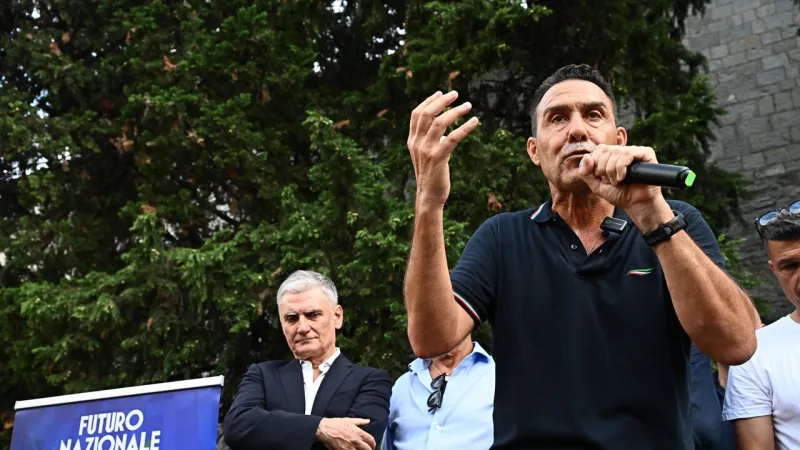
Genoa, Italy -- General Roberto Vannacci ignited a fresh political firestorm over the weekend, asserting that the political left was responsible for the stringent security protocols enforced across the city. His provocative statements, made amidst a peaceful antifascist demonstration against his presence, also included a direct attack on Ilaria Salis, a figure recently at the center of international attention.
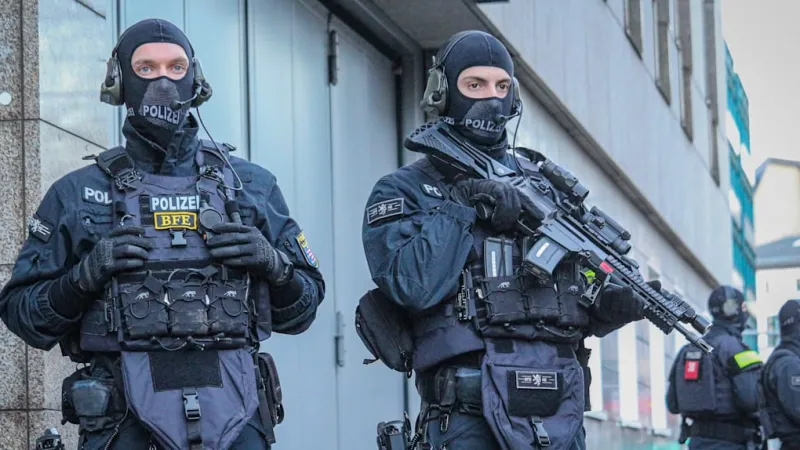
The accusations from General Vannacci emerged as Genoa experienced a heightened state of alert, with significant police presence and restricted access in various areas. This comprehensive security deployment coincided with a scheduled event featuring Vannacci, which subsequently drew a considerable counter-protest.
Addressing supporters, Vannacci declared, "Genoa was locked down because of the left." He framed the extensive security apparatus not as a necessary measure for public order, but as a deliberate consequence or overreaction instigated by progressive political forces opposing his views and presence.
Beyond the critique of Genoa's security, the general also turned his focus to Ilaria Salis. While the precise nature of his attack was not immediately detailed in the reports, it underscored his tendency to target figures associated with left-leaning activism or causes, further polarizing public discourse.
Ilaria Salis, an Italian teacher, gained significant public attention following her arrest and detention in Hungary on charges related to an antifascist counter-demonstration. Her case has become a rallying point for human rights advocates and left-wing politicians in Italy and across Europe.
The antifascist protest march, organized in opposition to General Vannacci's appearance, proceeded peacefully through the streets of Genoa. Organizers emphasized their commitment to non-violence while expressing staunch opposition to what they perceive as the general's far-right ideology. Reports confirmed the absence of any major incidents or clashes. Vannacci Rally Ignites Antifascist Protests, High Tension in Genoa.
When questioned about potential future political alliances, General Vannacci remained circumspect. He stated, "We will see," leaving open the possibility of collaborations with existing political entities, particularly those on the right, or perhaps forging his own path. This ambiguity fuels speculation about his long-term political ambitions.
General Vannacci has garnered national notoriety for his controversial book and outspoken opinions on immigration, LGBTQ+ rights, and national identity. His views have resonated with a segment of the Italian populace but have also drawn widespread condemnation from human rights groups and centrist to left-wing parties.
The incident in Genoa highlights the persistent deep ideological divides within Italian society. Political figures frequently utilize public appearances and rallies to articulate their stances, often leading to counter-demonstrations and heated rhetoric between opposing factions.
Such pronouncements, particularly from a figure with a military background like Vannacci, contribute to an ongoing national debate about freedom of speech, public order, and the boundaries of political discourse in a democratic nation.
As Italy navigates its current political landscape, the general's continued public engagement and willingness to challenge established narratives suggest he aims to remain a significant, albeit divisive, voice, potentially influencing future electoral dynamics.
The events in Genoa serve as a microcosm of broader tensions, where a public figure's contentious remarks can quickly escalate into a national talking point, compelling political opponents to respond and galvanizing supporters.
While no immediate official response from specific left-wing parties to Vannacci's direct accusation about Genoa's security was provided in the source, such statements typically elicit strong rebuttals from the targeted political spectrum, often framing them as divisive or unfounded.
The peaceful conduct of the antifascist march underscored a commitment by protesters to express dissent through organized, non-violent means, contrasting with the general's fiery rhetoric. This maintained focus on their message rather than any potential unrest.