Angel Doris

WASHINGTON — U.S. crude oil prices tumbled below the critical $100-per-barrel mark on global markets today after President Donald Trump announced that negotiations with Iran regarding its nuclear program were in their final, crucial stages, signaling potential new supply into an already volatile energy market. The sudden drop reflects investor anticipation of eased sanctions on Iranian oil exports, which could significantly alter the global supply-demand balance.
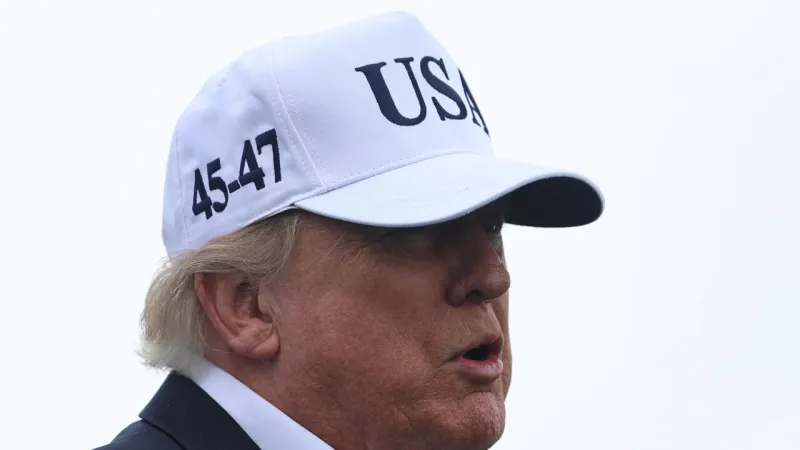
President Trump, speaking from the Oval Office, conveyed optimism regarding the diplomatic efforts, stating, "We are very close to a comprehensive agreement that will ensure regional stability and prevent nuclear proliferation, while also bringing significant economic benefits to the world." His comments immediately sent ripples through the commodities markets, which are acutely sensitive to geopolitical developments.
The West Texas Intermediate (WTI) crude futures, the U.S. benchmark, saw an immediate decline of over 5%, settling at $98.45 per barrel by close of trading. Brent crude, the international benchmark, also experienced a notable dip, trading around $102 a barrel, down from earlier highs.
Analysts attributed the sharp correction primarily to the prospect of Iran re-entering the global oil market. Sanctions imposed on Tehran have severely limited its crude exports for years, removing a substantial volume of oil from circulation. A potential lifting of these restrictions could see millions of additional barrels per day flood the market.
"The market is pricing in the return of Iranian crude," explained Dr. Elara Vance, chief energy economist at Meridian Capital. "Even the anticipation of this supply shift is enough to cause significant downward pressure on prices, especially with existing concerns about global economic growth impacting demand."
Historically, Iran possesses the worlds fourth-largest proven crude oil reserves and second-largest natural gas reserves. Its full reintegration into the global energy trade would mark a pivotal moment for producers and consumers worldwide, impacting pricing strategies for OPEC+ and other major oil-producing nations.
The White House has been engaged in a renewed diplomatic push with Tehran over the past year, aiming to restore the Joint Comprehensive Plan of Action (JCPOA) or forge a new, more robust agreement. The current administration has emphasized a strategic approach balancing national security interests with global economic stability.
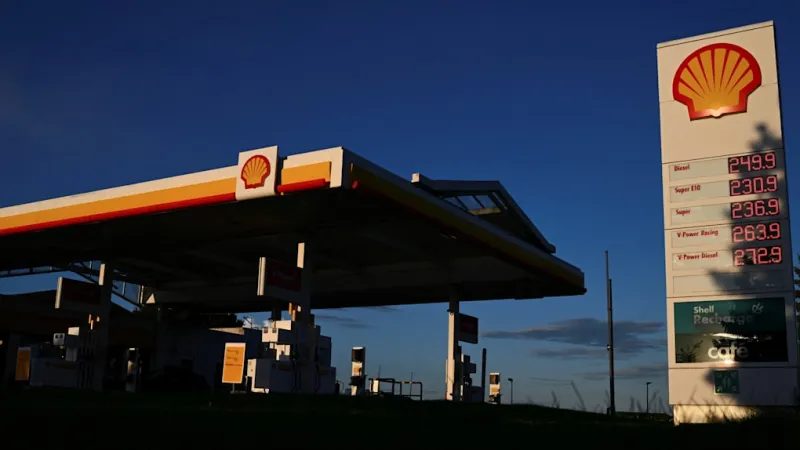
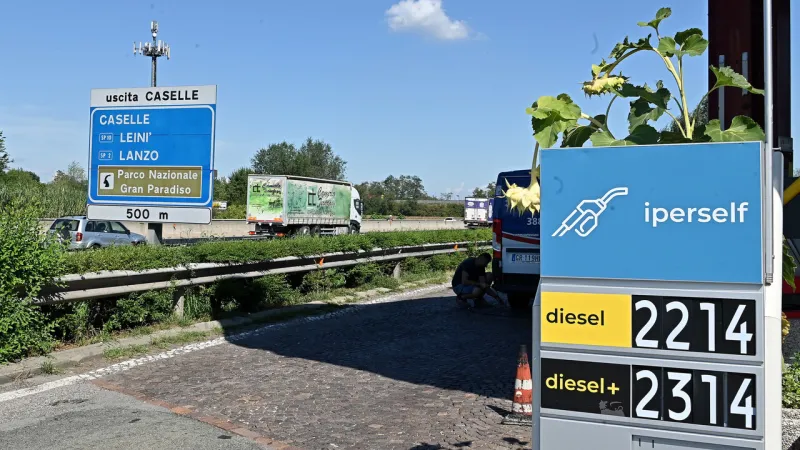
This price fall comes after a period of elevated crude oil prices, fueled by geopolitical tensions and robust post-pandemic demand recovery. For consumers, lower crude oil prices could translate into reduced gasoline costs, offering some relief to household budgets grappling with inflation.
However, the prospect of increased supply also raises questions for energy companies and oil-exporting countries that have benefited from higher prices. Investment decisions and production plans may need recalibration in response to a potentially more competitive market.
While President Trump’s statements suggest an agreement is imminent, details of any final deal remain undisclosed. Previous rounds of negotiations have faced numerous hurdles, and market observers caution that the path to a ratified agreement is often fraught with last-minute challenges.
Global energy policy continues to be a delicate balancing act, with nations weighing energy security, economic stability, and climate commitments. The unfolding developments around Iran's oil future underscore the profound interconnectedness of geopolitics and global commodity markets.
Further announcements from Washington or Tehran are expected in the coming days as the international community closely monitors the progress of these high-stakes negotiations and their ripple effects across the world economy.