 Angela Stefani
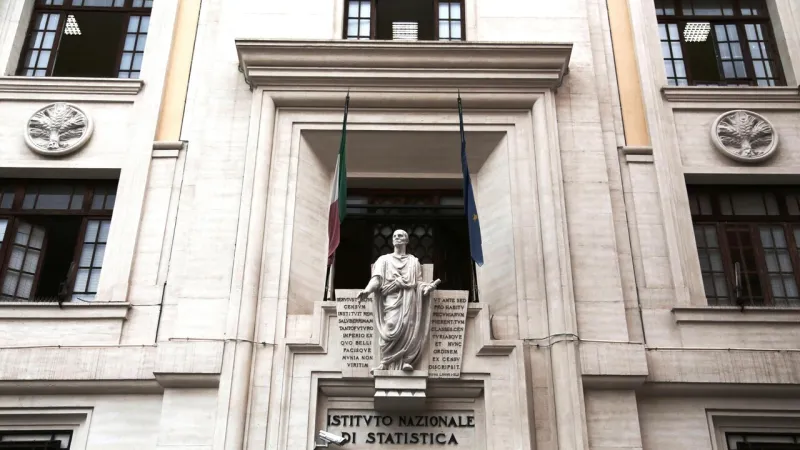
ROME – The Italian economy experienced a significant deceleration in the third quarter of the current year, with its Gross Domestic Product (GDP) registering zero growth compared to the preceding quarter. The preliminary data released by Istat, the Italian National Institute of Statistics, signals a period of pronounced stagnation, raising concerns among economists and policymakers.
While the quarter-on-quarter performance was stagnant, the national GDP did record a modest year-on-year increase of 0.8 percent. This figure, however, represents a slowdown when compared to previous annual growth rates, underscoring underlying challenges within the eurozone's third-largest economy.
The unexpected halt follows a period where Italy had shown signs of recovery, albeit often fragile. The lack of quarterly expansion suggests a confluence of factors impeding economic momentum, from persistent inflationary pressures to dampened consumer and business confidence.
Analysts point to several potential headwinds, including elevated energy costs that continue to burden industrial production and household budgets. Global supply chain disruptions, though easing, still present hurdles for export-oriented sectors vital to Italy's economic health.
The implications of this stagnation are far-reaching. It complicates the government's efforts to manage public debt and implement structural reforms, potentially limiting fiscal space for essential investments and social programs. The flat performance could also impact labor market dynamics, despite recent improvements.
Economists emphasize the importance of domestic demand and investment in fostering future growth. Weak consumer spending, possibly a reflection of eroding purchasing power due to inflation, poses a significant challenge that policymakers must address with targeted interventions.
Furthermore, the stagnation brings renewed focus to the nation's industrial output. Many Italian sectors, particularly manufacturing, face stiff international competition and the imperative to innovate. Reports like Italian SMEs Lag in AI Adoption, Missing Crucial Efficiency Gains highlight areas where modernization is critical but often slow.
This economic slowdown also arrives amidst broader European anxieties regarding a potential recession across the continent. Italy's performance is often seen as a bellwether for the wider Eurozone, given its substantial economic footprint.
The government, under intense scrutiny, will need to articulate a clear strategy to inject vitality back into the economy. Discussions around stimulating investment, particularly in green and digital transitions, are expected to intensify in parliamentary debates and public discourse.
Trade union leaders have already expressed apprehension, with some recent industrial actions, as seen in Italy Braces for General Strike; Salvini Requisitions Transport Amid Warnings, reflecting underlying social and economic tensions.
Future reports from Istat will be closely watched for any indications of a rebound or further contraction. The coming quarters will be critical in determining whether this stagnation is a temporary blip or a harbinger of a more prolonged economic malaise for Italy.
International investors and rating agencies will also scrutinize these figures, potentially influencing borrowing costs for the Italian government and its corporations. Maintaining fiscal discipline while stimulating growth remains a delicate balancing act.
The Italian government's economic agenda, often discussed at forums such as the Bari Summit Charts New Course for Italian Urban Economies, will undoubtedly shift its immediate focus to mitigating the effects of this downturn and fostering renewed dynamism.
The stagnation underscores the urgent need for structural reforms that enhance productivity, streamline bureaucracy, and encourage foreign direct investment. Without these foundational changes, sustained growth remains elusive.
As the year draws to a close, the performance of Italy's economy in the final quarter will be pivotal in shaping the overall economic narrative for 2026 and setting the tone for the coming year. Policymakers face formidable challenges in steering the nation toward a path of robust and sustainable expansion.