 Dodi Irawan
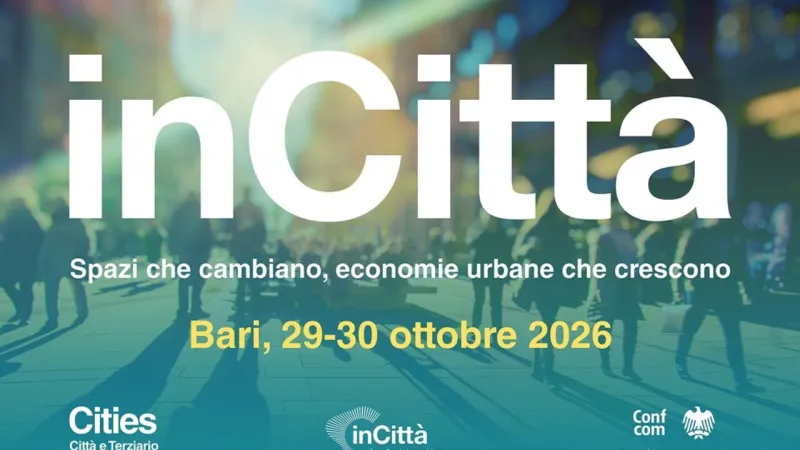
Bari, Italy – Confcommercio, Italy's leading confederation representing enterprises, professions, and self-employment, is set to host its significant national event in Bari on October 29 and 30, gathering key stakeholders to deliberate the future trajectory of Italian cities and their vital proximity economies. The crucial two-day summit, titled inCitta - Spazi che cambiano (inCity - Changing Spaces), aims to rigorously address the evolving challenges and abundant opportunities confronting urban centers across the nation in 2026.
The event underscores a pivotal moment for Italy, as its urban landscapes grapple with dynamic shifts ranging from evolving consumer behaviors to the imperative for greater environmental sustainability. Confcommercio, with its deep roots in the fabric of Italian commerce, plays an instrumental role in shaping the dialogue around these transformations.
Proximity economies, encompassing local businesses, artisanal shops, and neighborhood services, are increasingly recognized as the lifeblood of vibrant urban communities. These economic ecosystems foster social cohesion, reduce environmental impact through localized supply chains, and offer unique cultural identities that distinguish one city from another.
The summit will explore how these local economies can be bolstered and adapted in an era dominated by digital marketplaces and shifting demographics. Discussions will likely center on innovation in retail, the integration of digital tools for small businesses, and strategies to prevent urban decay in historical centers.
Experts and policymakers converging in Bari are expected to dissect pressing issues such as the impact of tourism on local communities, the challenges of gentrification, and the digital divide that continues to affect certain segments of the population and businesses. The goal is to formulate actionable insights and policy recommendations.
Confcommercio's commitment extends beyond mere dialogue; the organization consistently advocates for policies that support small and medium-sized enterprises (SMEs), which form the backbone of Italy's economy. Their work helps ensure these businesses remain competitive and resilient amidst global economic pressures.
The choice of Bari as the host city is symbolic. As a major economic and cultural hub in Southern Italy, Bari itself represents a microcosm of the challenges and potential inherent in Italian urban development. Its coastal location and historical significance provide a compelling backdrop for discussions on balancing tradition with modernity.
Participants will delve into various thematic sessions, from urban planning and infrastructure development to the role of culture in economic revitalization. The overarching objective is to envision cities that are not only economically robust but also socially inclusive and environmentally conscious.
This national gathering provides a critical platform for exchanging best practices and forging collaborations between public and private sectors. Such partnerships are essential for implementing comprehensive strategies that can effectively transform urban spaces into more livable, productive, and equitable environments.
The insights gleaned from the inCitta - Spazi che cambiano event are anticipated to inform future Confcommercio initiatives and contribute significantly to national policies aimed at fostering sustainable urban growth and strengthening Italy's invaluable proximity economies for the decades ahead. The outcomes could provide a blueprint for similar challenges faced globally, making this a closely watched event for urban planners and economists alike.