Robert Andrison
SEOUL, November 13, 2026 – The South Korean economy continues to exhibit a “solid pace” of expansion, according to a recent assessment by the nation’s finance ministry. This encouraging outlook, reported today by Yonhap, underscores the resilience of the domestic market and export sectors amidst a complex global economic landscape. The announcement provides clarity on the current health of the South Korean economy, influencing both domestic policy and international investor sentiment.
The Ministry of Economy and Finance stated in its latest report that key economic indicators demonstrate consistent upward trends, reinforcing confidence in the nation's recovery trajectory. This assessment aligns with earlier projections that highlighted effective governmental measures in mitigating external shocks.
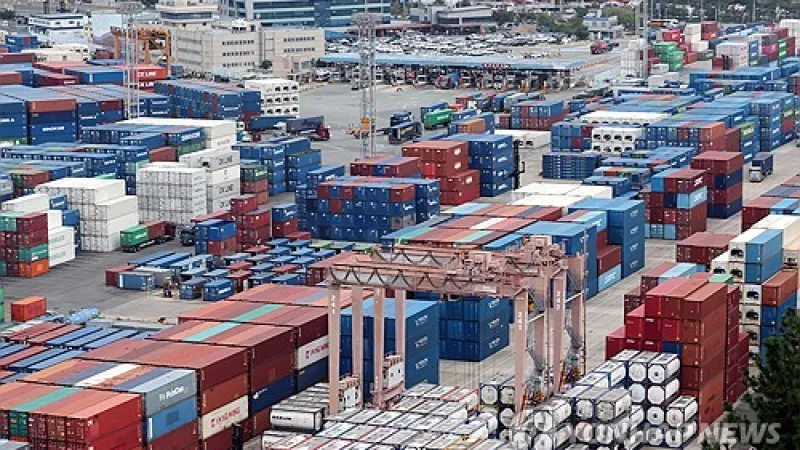
A primary driver of this sustained performance has been a robust export sector, which benefits significantly from global demand for semiconductors and other high-tech products. Despite some fluctuations in international trade, South Korean manufacturers have largely maintained their competitive edge.
Domestic consumption also plays a pivotal role, buoyed by stable employment figures and targeted fiscal policies designed to stimulate household spending. Government initiatives aimed at supporting small and medium-sized enterprises (SMEs) have further contributed to internal economic stability.
Favorable external conditions, such as a strong won and more affordable oil prices, have notably contributed to easing inflationary pressures and reducing import costs for the nation. This dynamic is crucial, as detailed in recent analyses like Strong Won, Cheaper Oil Drive South Korean Import Prices Downward, which highlighted the positive impact on the overall balance of trade.
The government’s proactive stance on fiscal management and monetary policy adjustments has been instrumental in navigating potential economic headwinds. Officials have emphasized a balanced approach, prioritizing both growth and price stability to ensure long-term sustainability.
However, the path forward is not without challenges. Global economic uncertainties, including potential slowdowns in major trading partners and persistent geopolitical tensions, pose ongoing risks. The ministry acknowledged these external factors require vigilant monitoring and flexible policy responses.
Inflationary pressures, although somewhat tempered by recent commodity price movements, remain a concern. Policymakers are continually evaluating measures to prevent excessive price hikes from eroding consumer purchasing power and business profitability.
Looking ahead, the finance ministry expressed cautious optimism. Projections indicate a continuation of moderate yet steady growth, supported by ongoing structural reforms and diversification efforts within the South Korean economy. Investment in new growth engines, such as artificial intelligence and biotechnology, is also expected to bolster future performance.
The consistent growth trajectory reinforces South Korea's reputation as a resilient and adaptable economy capable of weathering global economic fluctuations. The continued vigilance and strategic planning by the government are key to sustaining this positive momentum into the foreseeable future.