Demian Sahputra
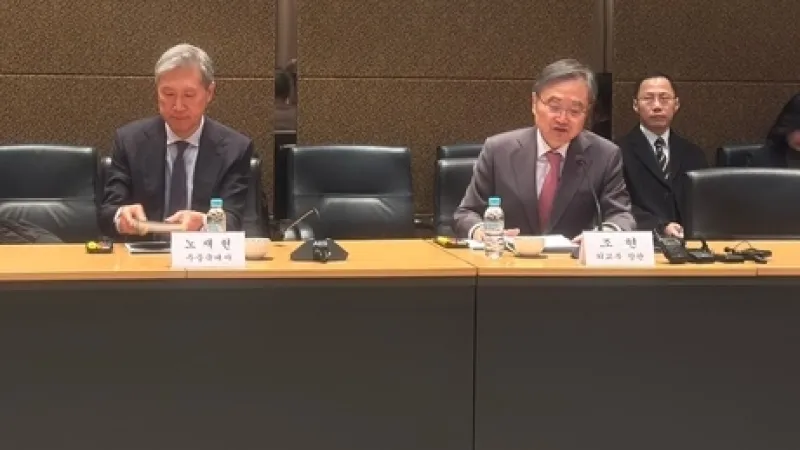
BEIJING – Chinese Foreign Minister Wang Yi recently provided his South Korean counterpart with specific details regarding the North Korean leader’s high-level visit to China. The diplomatic exchange, occurring during bilateral talks in the Chinese capital, underscores Beijing’s pivotal role in managing regional stability and its strategic communication efforts with Seoul concerning Pyongyang’s engagements.
This briefing comes at a time of heightened geopolitical sensitivity on the Korean Peninsula, emphasizing the critical need for coordinated diplomacy among key regional players. South Korean officials have long sought greater transparency from China regarding its interactions with North Korea, particularly concerning matters of denuclearization and regional security.
The discussions between Minister Wang and South Korean representatives likely encompassed the agenda of the North Korean leader’s trip, including any potential agreements or understandings reached with Chinese leadership. Such high-level consultations are crucial for Seoul to formulate its own policy responses and maintain a clear understanding of Pyongyang's diplomatic trajectory.
China, as North Korea’s most significant economic partner and diplomatic ally, holds substantial influence over the isolated nation. Beijing consistently advocates for dialogue and a political resolution to the denuclearization issue, often positioning itself as a mediator between Pyongyang and other global powers.
Seoul’s consistent stance emphasizes the importance of a complete, verifiable, and irreversible denuclearization of the Korean Peninsula. Any engagement involving the North Korean leader is therefore viewed with meticulous scrutiny, especially given the ongoing complexities of inter-Korean relations and international sanctions.
The strategic timing of this briefing also aligns with broader regional dynamics. Amidst the current political climate where President Donald Trump continues to engage major global actors, the status of North Korea remains a pressing concern. Past instances have shown that direct talks between the United States and North Korea can be challenging to arrange, often leaving China to play a significant role in facilitating communication or conveying intentions. This is particularly relevant considering that Trump Engages China, Russia; North Korea Talks Remain Off Agenda in some broader diplomatic discussions.
The history of high-level exchanges between Beijing and Pyongyang is marked by periods of close cooperation and strategic alignment, particularly in response to external pressures. These visits often signal shifts in North Korea’s foreign policy priorities or attempts to secure economic and political support from its traditional ally.
For South Korea, receiving direct information about these summits is invaluable. It helps clarify ambiguities, reduces the potential for miscalculation, and allows for more informed diplomatic strategies. The South Korean foreign ministry regularly engages with counterparts in Beijing to discuss regional issues, as evidenced by reports like Seoul's FM Cho Visits Beijing for Critical China, North Korea Talks.
The nature of the North Korean leader’s visit — whether focused on economic cooperation, security assurances, or strategic alignment against perceived external threats — will have significant ramifications for the entire East Asian region. Analysts will closely scrutinize any official statements or leaked details to discern the true objectives and outcomes.
The current absence of a clear path for direct US-North Korea denuclearization talks means China’s role as an intermediary or information conduit becomes even more critical. The international community relies on such diplomatic channels to prevent escalation and promote a peaceful resolution to the long-standing nuclear standoff.
Economic implications for North Korea are often a central theme in its engagements with China. With stringent international sanctions still in place, Pyongyang frequently seeks to bolster its economic lifeline through expanded trade and aid with Beijing. Any details on economic discussions during the visit would be closely watched.
The broader regional security architecture, involving nations like Japan and Russia, also factors into these diplomatic maneuvers. Each country has vested interests in the stability of the Korean Peninsula and carefully monitors developments that could alter the delicate balance of power.
Ultimately, the denuclearization of North Korea remains a complex, multifaceted challenge requiring sustained diplomatic effort. While briefings like these offer a glimpse into high-level interactions, the core issues of trust, verification, and commitment continue to be formidable obstacles.
Ensuring consistent communication channels, even amidst inherent geopolitical mistrust and competing national interests, is paramount to preventing missteps and fostering an environment conducive to long-term peace and security in Northeast Asia. Such dialogues are fundamental to navigating the intricate web of international relations.