 Stefani Rindus
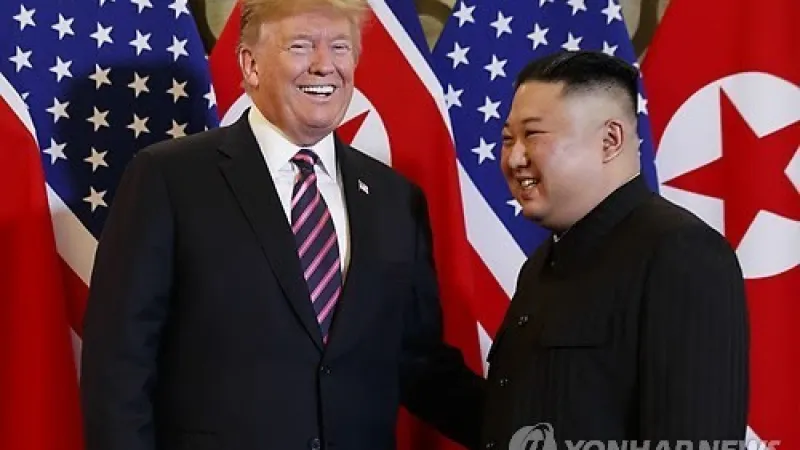
WASHINGTON – President Donald Trump is scheduled to meet with Chinese President Xi Jinping and Russian President Vladimir Putin in China next week, reports indicate, marking a significant diplomatic push in 2026. Notably absent from the agenda are any plans for direct engagement with North Korea.
These converging high-stakes meetings underscore an intensified phase of global diplomacy, as Washington navigates its complex relationships with two of its primary geopolitical rivals.
The discussions with President Xi are expected to cover a spectrum of issues ranging from persistent trade imbalances and technological competition to pressing regional security concerns in the Indo-Pacific.
Analysts suggest President Trumps direct engagement aims to recalibrate bilateral ties amidst ongoing strategic divergences, particularly concerning the status of Taiwan and maritime claims in the South China Sea.
Similarly, the rendezvous with President Putin will likely address persistent friction points between Washington and Moscow, including cybersecurity protocols, arms control treaties, and geopolitical stability in Eastern Europe.
The meeting follows a period of heightened tensions, with Western allies often seeking a unified front for crucial Russia peace negotiations. President Trumps approach signals a pursuit of a direct path to dialogue.
The decision to forego dialogue with Pyongyang during this trip sends a clear message regarding the current administrations strategy towards the long-standing denuclearization deadlock.
This approach diverges from previous attempts at multilateral or direct engagement with North Korea, signaling a potentially firmer stance or a strategic reassessment of diplomatic avenues available.
The trilateral dynamic involving Washington, Beijing, and Moscow carries profound implications for global stability, particularly concerning flashpoints from Eastern Europe to the Korean Peninsula.
International observers will closely watch these summits for signs of de-escalation, new agreements, or significant shifts in the intricate balance of global power.
Foreign policy experts highlight the critical nature of these engagements, positing that the outcomes could redefine the contours of twenty-first-century diplomacy and international cooperation.
Domestically, President Trumps administration consistently emphasizes a pragmatic approach to foreign policy, prioritizing direct leader-to-leader interactions to address pressing international challenges effectively.
These meetings resonate with historical precedents of major power summits, where personal diplomacy often played a pivotal role in shaping international relations during critical junctures.
The administration likely seeks to lay groundwork for future cooperation on shared global challenges, even as significant disagreements persist between these powerful nations.
While expectations for immediate breakthroughs remain cautiously optimistic, the mere fact of these high-level discussions represents a crucial step in managing complex international relations.
Beyond the primary bilateral issues, discussions could also touch upon broader global crises, climate initiatives, and international trade frameworks, impacting numerous economies worldwide.
The unfolding diplomatic efforts occur against a backdrop of evolving global security landscapes, including Kremlin demands concerning NATO expansion and various regional conflicts.
As President Trump embarks on this significant journey, the world watches closely for indicators of how these pivotal meetings will reshape the geopolitical agenda for the remainder of 2026 and beyond.