 Demian Sahputra

BERLIN – A critical overhaul of Germany's pension system now faces substantial opposition as several Christian Democratic Union (CDU) state premiers advocate for modifications to a central tenet of the proposed reforms. This decisive move has prompted stern warnings from veteran CDU politician Wolfgang Bosbach, who emphasizes the significant financial implications and insists on a clear strategy for funding the deduction-free retirement.
The state premiers contentious stance targets the provision for a pension without deductions, a component seen by many as foundational to the entire German pension reform package. Their push for changes introduces an unexpected challenge to the stability of the long-anticipated legislative efforts, designed to ensure the future sustainability of the social security system.
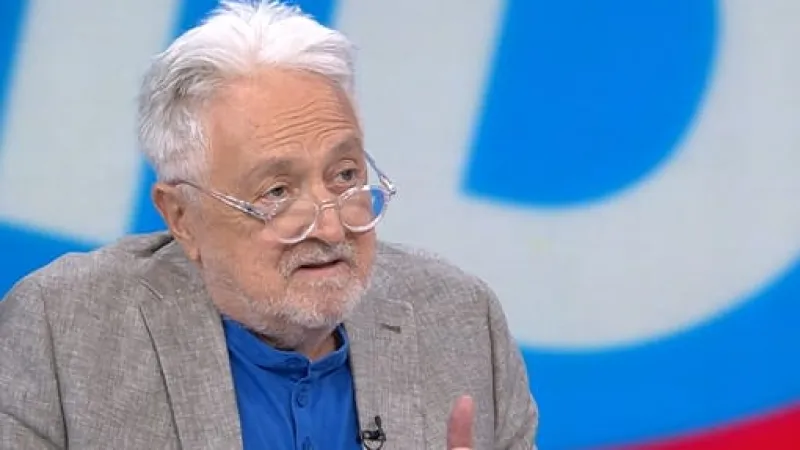
Wolfgang Bosbach, known for his fiscal conservatism and deep understanding of budgetary matters, articulated his concerns sharply. “If a central building block is removed,” Bosbach stated, “then necessary reform work is endangered.” He further demanded clarity on the financial architecture underpinning the deduction-free pension, questioning how such a costly measure would be funded without burdening taxpayers or jeopardizing economic stability.
Germany's pension reform is a cornerstone of the current legislative agenda, aiming to address demographic shifts and ensure the long-term solvency of the national retirement scheme. With an aging population and fewer contributions from younger generations, the system faces immense pressure, making comprehensive reform imperative.
The discord within the CDU signals potential fragmentation in what was expected to be a unified approach to social policy. The internal party debate could complicate parliamentary proceedings and potentially delay the implementation of crucial changes, impacting millions of future retirees.
Experts suggest that the deduction-free pension, while politically appealing, represents a significant financial commitment. Without robust and transparent funding mechanisms, its inclusion could exacerbate budgetary pressures, particularly in the current global economic climate of 2026.
This debate unfolds against a backdrop of increasing public scrutiny over government spending and the long-term viability of social welfare programs. Citizens are keenly watching how lawmakers intend to secure their retirement, balancing generous benefits with fiscal responsibility.
The challenge from the CDU state premiers underscores the complex political tightrope walked by parties attempting to modernize established social systems. Finding a consensus that satisfies both political factions and economic realities is proving to be a formidable task.
Historically, German pension reforms have often been met with contentious debates and widespread public discussion, reflecting the deeply ingrained importance of social security in the nation's societal fabric. Each adjustment to the system carries profound implications for generations of workers and pensioners.
As the discussion progresses, the federal government and coalition partners will likely need to navigate this internal CDU dissent carefully. The outcome of this particular skirmish over the deduction-free pension could set a precedent for future policy debates and influence the overall shape of the German pension reform.
Bosbach's intervention serves as a stark reminder that while the political will for reform exists, the devil lies in the fiscal details. The question of how to pay for enhanced benefits without compromising the entire structure remains central to the ongoing deliberations.
The implications extend beyond immediate budgetary concerns, touching upon intergenerational equity and the overall trustworthiness of government promises regarding retirement security. Any perception of instability in the pension system could have broader societal and economic repercussions.
This critical juncture for German pension reform highlights the inherent tension between social welfare aspirations and the immutable constraints of economic reality. All eyes remain on Berlin as policymakers wrestle with these fundamental questions.