 Robert Andrison
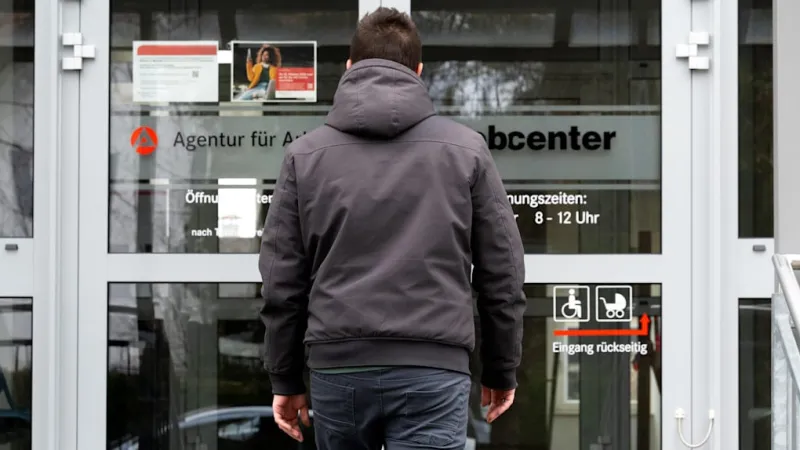
Berlin — Germany's public service faces an escalating crisis of violence, according to DGB Deputy Chief Hannack, who warns that the increasing aggression against government employees now imperils the very functionality of the state. The alarming trend is evidenced by the necessity of security protocols, such as checks for concealed weapons, underscoring a systemic problem that has reached critical levels across the nation.
Hannack, a prominent voice within the German Trade Union Confederation (DGB), articulated her profound concerns regarding the worsening conditions for those serving the public. She highlighted the practical implications of this heightened threat, noting that basic security measures, once rare, are becoming commonplace in public facilities.
The rise in hostility encompasses a broad spectrum of public-facing roles, from municipal employees and social workers to healthcare providers and law enforcement personnel. These individuals, integral to the daily operations of civil society, increasingly confront verbal abuse, intimidation, and physical assaults.
The DGB deputy chief emphasized that beyond the immediate harm to individuals, this pervasive violence directly undermines the government's capacity to deliver essential services. When staff members fear for their safety, it inevitably impacts morale, recruitment, and the efficiency of public administration. Hannack specifically complained that the extent of the problem now endangers state "functionality."
She cited the growing need for security screenings, where visitors are checked for weapons like knives, as a stark indicator of the gravity of the situation. This measure, she contended, is not merely a precaution but a clear symptom of a society where aggression against public servants has become normalized. The very implementation of such controls, she argued, undeniably highlights the severity of the challenge at hand.
While challenges in public service are not new, the current trajectory suggests a significant deterioration in respect and safety within the public sphere. Experts point to various societal factors contributing to this trend, including increased polarization, disillusionment with institutions, and a general erosion of civility.
Addressing this systemic issue requires a multi-faceted approach, involving stronger legal protections for public employees, enhanced security infrastructure, and public awareness campaigns promoting respect for those in service. Unions like the DGB are advocating for comprehensive strategies to reverse the alarming trend.
Failure to adequately address this growing threat risks a further decline in state functionality, potentially leading to a breakdown in critical services and a loss of public trust. The long-term implications for democratic governance and social cohesion are considerable, impacting everything from local administration to national policy implementation.
The escalating violence extends beyond direct confrontations, fostering an environment of apprehension that could deter individuals from pursuing careers in public service. This demographic shift could create staffing shortages and further strain an already burdened system, ultimately diminishing the quality and accessibility of public resources.
The DGB maintains that robust public services are the bedrock of a stable society, and ensuring the safety and respect of its workers is paramount. Hannack's warning serves as an urgent call to action for policymakers to prioritize the protection of public sector employees and safeguard Germany's administrative integrity, reinforcing the fundamental tenets of a well-ordered state.