 Demian Sahputra
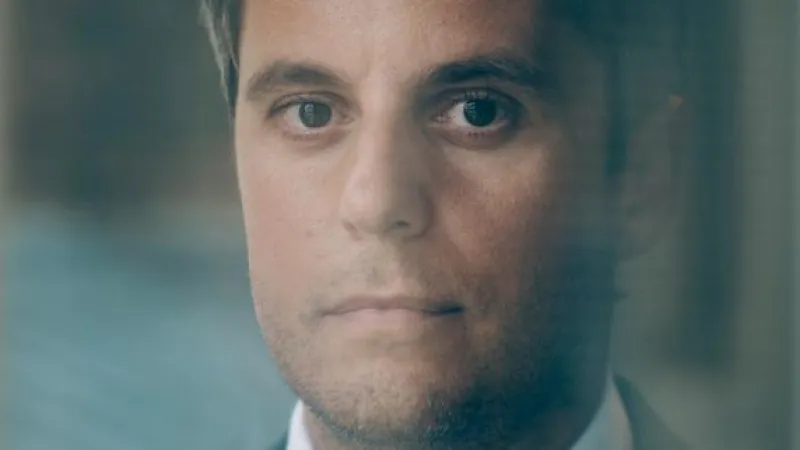
Paris, France – Gabriel Attal, a prominent presidential candidate for the Renaissance party, has unveiled a comprehensive suite of education reforms aimed at recalibrating the national school system. His proposals, detailed in an interview with Le Monde just days before the impending school year, include the reinstatement of a certificate of studies, the closure of what he termed "ghetto colleges," and significant salary increases for teaching staff. Attal articulated his desire for a "programming law for schools and an education minister who will remain in office for five years," signaling a commitment to long-term strategic vision over episodic policy shifts.
The ambitious agenda, coming from a key figure within the ruling majority, underscores the escalating focus on educational challenges as France gears up for its next presidential election. Attal's blueprint seeks to address perceived deficiencies in academic rigor, social equity, and teacher morale, issues that have long permeated public discourse in the country.
A cornerstone of Attal's plan is the reintroduction of a certificate of studies. This proposal harkens back to a historical French educational benchmark, suggesting a renewed emphasis on foundational knowledge and standardized achievement at various stages of schooling. Proponents argue such a measure could elevate academic standards and provide clearer markers of student progress.
Equally impactful is the contentious proposition to close so-called "ghetto colleges." Attal characterized these institutions as areas of concentrated social and economic disadvantage, implying that their current structure hinders effective learning and perpetuates inequality. The precise criteria for identifying and subsequently closing these schools, along with the fate of their student bodies and faculty, remain areas requiring further articulation, promising a robust national debate.
Crucially, Attal also committed to substantial salary increases for educators. This initiative directly addresses a long-standing grievance among French teachers, many of whom cite stagnant wages as a primary factor in declining morale and recruitment challenges. Boosting educator compensation is viewed as integral to attracting and retaining top talent, thereby improving instructional quality across the board.
The candidate's call for a five-year programming law for education and a stable ministerial tenure is designed to foster unparalleled continuity in policy implementation. The French education system has historically been susceptible to frequent changes in leadership and policy direction, often leading to disjointed reforms and operational inefficiencies. A fixed-term minister, supported by a long-term legislative framework, would theoretically allow for sustained strategic planning and a more robust evaluation of educational initiatives.
This emphasis on stability resonates with broader political discussions about governmental efficacy. Maintaining a consistent leadership at the helm of such a critical ministry could help insulate the education sector from the more transient pressures of political cycles, allowing reforms to mature and yield tangible results over a longer horizon.
Attal's vision presents a significant departure from current operational paradigms in certain respects, particularly regarding the centralization of educational authority and the potential for disruptive changes to the existing school map. The implications for local communities and school administrations, accustomed to certain levels of autonomy, will be considerable.
The proposed reforms will undoubtedly face rigorous scrutiny from various stakeholders, including teacher unions, parent associations, and opposition parties. The balance between restoring traditional academic values and fostering an inclusive, adaptable modern education system will be a delicate one to strike.
This renewed focus on systemic educational improvement aligns with ongoing dialogues within French political circles. As candidates position themselves for the upcoming elections, education reform is emerging as a critical battleground. Previous discussions, such as those highlighted by *Le Monde* regarding former education official Jean-Michel Geffray's commitment to Education Reform Continuity Amidst French Election Scrutiny, underscore the persistent need for robust and lasting solutions within the French educational landscape. Attal's proposals represent a bold, if challenging, attempt to fulfill that need.
The ambitious nature of Attal's plan suggests a willingness to tackle entrenched issues head-on. The success of these proposals, if implemented, will hinge on meticulous planning, sustained political will, and the capacity to navigate complex social and administrative landscapes. His interview with Le Monde signals a clear intent to place education at the forefront of his presidential campaign.
The prospect of a long-term educational roadmap offers a potential antidote to the perceived instability and short-termism that has plagued past efforts. For France's students, teachers, and parents, the promise of a more structured and consistently led education system could represent a profound shift towards greater stability and improved outcomes.