Robert Andrison
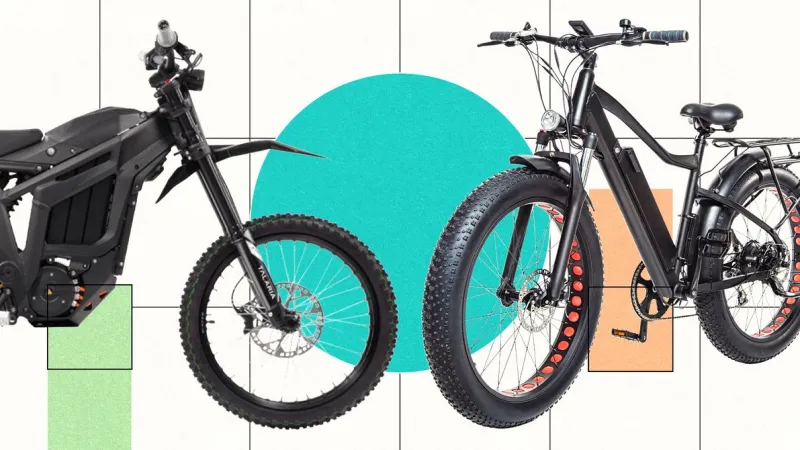
A growing semantic and regulatory chasm separates electric bicycles from their more powerful electric motorcycle counterparts, known as e-motos, causing significant confusion among consumers, legislators, and even retailers who sometimes exploit the ambiguity. This lack of clarity leaves riders uncertain of legal operation and risks penalties, while jurisdictions struggle to implement appropriate safety and infrastructure standards for the burgeoning micromobility sector.
At the core of the problem lies a critical failure to define these vehicles uniformly. An ebike, or electric bicycle, typically features working pedals and a motor that provides assistance only when the rider is pedaling, often limited to a top assisted speed of 20 or 28 miles per hour, depending on its class. Federal and many state regulations classify these as bicycles, exempting them from licensing, registration, and insurance requirements.
Conversely, an e-moto resembles a motorcycle or scooter, often lacking functional pedals and powered solely by a throttle-controlled electric motor. These vehicles frequently exceed the speed and power limitations of ebikes, classifying them as motor vehicles under most state laws. This designation necessitates a drivers license, registration, insurance, and adherence to road rules typically applied to motorcycles.
Yet, the lines blur considerably. Manufacturers sometimes produce vehicles that sit in a grey area, featuring high-wattage motors or throttle-only operation on what outwardly appears to be an ebike frame. Retailers, eager to capitalize on the ebike market boom, occasionally market these more powerful machines as ebikes, inadvertently or deliberately misleading consumers about their legal status.
The tangible consequences of this definitional void are evident in states like New Jersey, where a recent ebike law has reportedly stranded many users and sparked widespread confusion regarding permissible electric two-wheelers. Riders, unaware their powerful throttle-bikes are legally classified as motor vehicles, face fines, impoundment, and even criminal charges for operating unregistered and uninsured vehicles.
Lawmakers find themselves in a difficult position, grappling with outdated statutes that predate the widespread adoption of electric micromobility. Crafting legislation that accurately differentiates between bicycle-like ebikes and motorcycle-like e-motos, while accommodating technological advancements, proves a complex undertaking.
For consumers, the onus falls on diligence. Prospective buyers must scrutinize vehicle specifications, paying close attention to motor wattage, top speed, and whether the vehicle offers pedal-assist, throttle-only, or both. Understanding local and state laws before purchasing is paramount to avoiding legal pitfalls.
Industry experts advocate for standardized classification systems that transcend state lines, providing clarity for manufacturers, retailers, and consumers. Such a framework would not only protect riders but also foster a safer, more predictable market for electric micromobility devices.
The distinction is not merely academic; it dictates where a vehicle can be legally ridden, whether on bike paths, streets, or off-road trails. Misinterpreting these regulations can lead to dangerous situations, as high-speed e-motos might unpredictably share spaces intended for pedal-powered bicycles.
Ultimately, the flourishing micromobility sector demands a clear, unified approach to vehicle classification. Without it, the current state of regulatory ambiguity will continue to create unnecessary friction, impede innovation, and place both riders and responsible retailers at undue risk.