Chandra Wijayanto
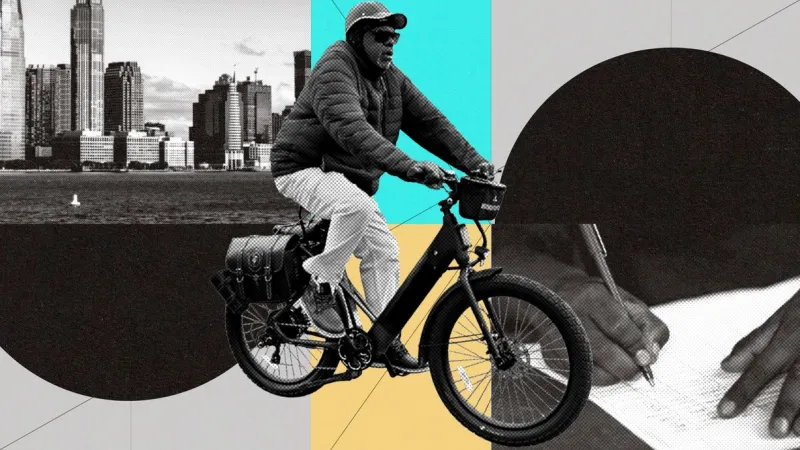
A new law implemented in New Jersey since early 2026 now mandates licenses and, for some, insurance for electric bicycle owners, effectively stranding hundreds of riders and generating widespread confusion across the state.
The sweeping legislation, which took effect earlier this year, has transformed what was once a readily accessible and environmentally friendly mode of transport into a bureaucratic labyrinth for countless residents. Commuters, delivery workers, and recreational riders alike find their daily routines upended by the stringent new requirements.
Under the new mandate, individuals operating electric bicycles classified under specific power and speed regulations must now apply for a motor vehicle license and, depending on the ebike category, secure an insurance policy. This contrasts sharply with previous regulations where ebikes were largely treated similarly to traditional bicycles.
Proponents of the law within the state legislature have cited growing safety concerns as the primary driver behind the changes. They point to an increase in ebike-related accidents, conflicts with pedestrians, and the higher speeds some electric models can achieve as necessitating greater oversight.
However, the rapid implementation has left many residents in disarray. Maria Rodriguez, a Trenton resident who relies on her ebike for her delivery job, expressed her frustration. “This law has transformed my daily commute from an affordable, healthy choice into an insurmountable obstacle. I cannot afford the insurance premiums, and obtaining a license takes time I do not have,” Rodriguez stated.
The economic fallout extends beyond individual riders. Bicycle shops across the state report a significant downturn in ebike sales and repair services. Small businesses that rely on ebike couriers for last-mile delivery are also struggling to adapt, facing increased operational costs or disruptions in service.
Bike advocacy groups have been swift to denounce the law, criticizing its sudden enactment and the perceived lack of public education prior to its enforcement. They argue that the regulations disproportionately affect lower-income individuals who depend on ebikes as an economical alternative to car ownership or public transport.
The process for obtaining the necessary licenses and insurance has proven complex for many. Riders must navigate Department of Motor Vehicle procedures, which can be time-consuming and often require documentation that some ebike owners may not readily possess. The added financial burden of insurance premiums further complicates compliance.
Law enforcement agencies are also grappling with the practicalities of enforcement. Differentiating between various classes of ebikes and ensuring proper documentation in real-time presents a new challenge for officers on patrol, potentially leading to arbitrary stops or inconsistent application of the law.
Critics contend that the law could paradoxically lead to a decrease in sustainable transportation options. By making ebikes less accessible, it risks pushing more commuters back into personal vehicles, counteracting efforts to reduce traffic congestion and carbon emissions in urban areas.
This legislative action also raises broader questions about the future of urban mobility and sustainable transport initiatives. As cities nationwide explore eco-friendly transit solutions, New Jersey's move offers a stark example of the regulatory hurdles that can emerge.
Compared to neighboring states, New Jersey's ebike regulations are now among the most stringent. Many other jurisdictions have adopted more permissive frameworks, often classifying ebikes into tiers that do not uniformly require full motor vehicle licensing or insurance.
Amid the growing outcry, pressure is mounting on state lawmakers to revisit the legislation. Advocacy groups and affected citizens are calling for clearer guidelines, potential amendments, or at least a grace period to allow riders sufficient time to comply with the new stipulations.
The widespread confusion underscores the critical need for comprehensive public outreach when implementing such impactful policy changes. Without adequate communication, even well-intentioned legislation can inadvertently create significant hardship for its constituents.
The long-term ramifications of the New Jersey ebike law remain uncertain, but the immediate impact is a landscape of frustrated riders and disrupted transportation patterns, signaling a pivotal moment for electric mobility in the Garden State.