 Dorry Archiles
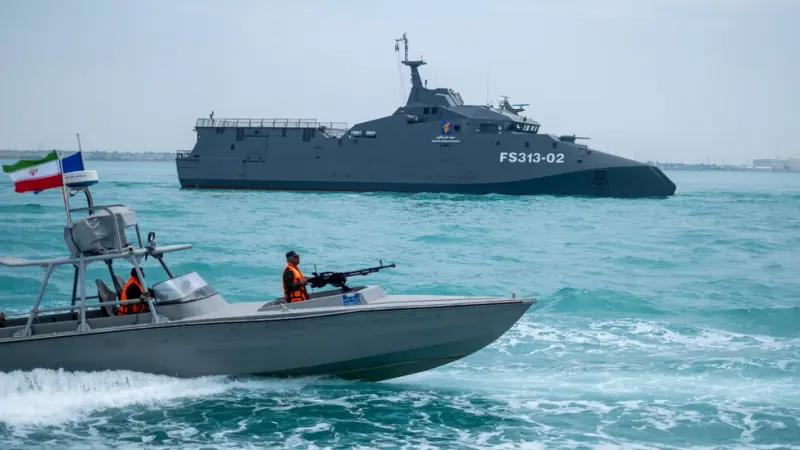
WASHINGTON — A fragile ceasefire between Iran and Gulf nations, including the United Arab Emirates, reportedly holds for now, following recent Iranian attacks on UAE assets and commercial shipping in the strategically vital Strait of Hormuz. Political commentator Pete Hegseth indicated the precarious de-escalation, as international powers scramble to prevent further destabilization in the volatile Middle East.
Hegseth, a vocal analyst, conveyed his assessment during a recent media appearance, suggesting a temporary lull in hostilities. He stressed that while the immediate kinetic actions had ceased, the underlying tensions remained dangerously high, requiring sustained vigilance from allied forces. His remarks underscore the tentative nature of the current calm.
The cessation of hostilities follows a series of aggressive acts attributed to Tehran. These included drone and missile strikes targeting oil infrastructure within the United Arab Emirates and harassment of several international merchant vessels navigating the critical shipping lanes of the Strait of Hormuz, a conduit for a significant portion of the world's oil supply.
The attacks, which occurred over a two-week period last month, caused limited physical damage but sent shockwaves through global energy markets and raised alarms about maritime security. Insurance premiums for vessels traversing the Gulf skyrocketed, impacting supply chains and prompting calls for enhanced international naval presence.
Global leaders swiftly condemned Iran's actions, with the United Nations Security Council convening an emergency session to address the escalating crisis. Secretary-General Antonio Guterres called for immediate de-escalation and a return to diplomatic dialogue, echoing widespread international concern over the potential for broader conflict.
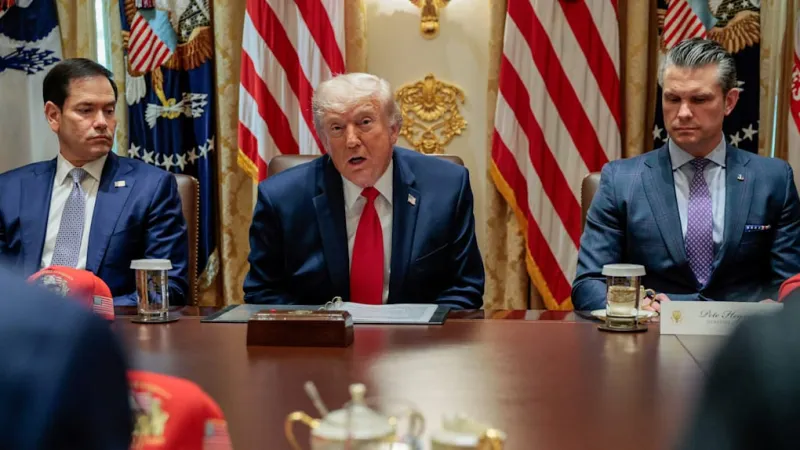
The administration of President Donald Trump has closely monitored the situation, with White House officials issuing stern warnings to Tehran. President Trump, speaking from the Oval Office last week, reiterated the United States' unwavering commitment to its allies in the Gulf and pledged to protect freedom of navigation. He urged all parties to exercise maximum restraint.
The recent skirmishes are the latest in a long history of regional antagonism between Iran and its Arab neighbors, frequently exacerbated by proxy conflicts and competing geopolitical interests. The Strait of Hormuz, a chokepoint less than 40 miles wide at its narrowest point, has repeatedly been a flashpoint for military confrontations.
Analysts fear a prolonged period of instability could severely disrupt global oil flows, potentially triggering an international energy crisis. The Strait handles approximately 20% of the world's petroleum liquids consumption, making its security paramount for global economic stability.
Behind the scenes, diplomatic efforts are reportedly underway, spearheaded by various European and Asian nations, to mediate between Iran and the UAE. These initiatives aim to establish more robust communication channels and de-escalation mechanisms to prevent future flare-ups.
While the immediate ceasefire offers a temporary reprieve, experts caution that the fundamental grievances and strategic ambitions of the involved parties remain unresolved. The region remains on high alert, with observers predicting that any lasting peace will require significant diplomatic breakthroughs and a fundamental shift in regional dynamics.
The current calm is therefore perceived not as an end to the crisis, but rather a precarious pause, heavily reliant on continued restraint and the effectiveness of international pressure. The world watches cautiously for any signs of renewed aggression.