 Chris Robert
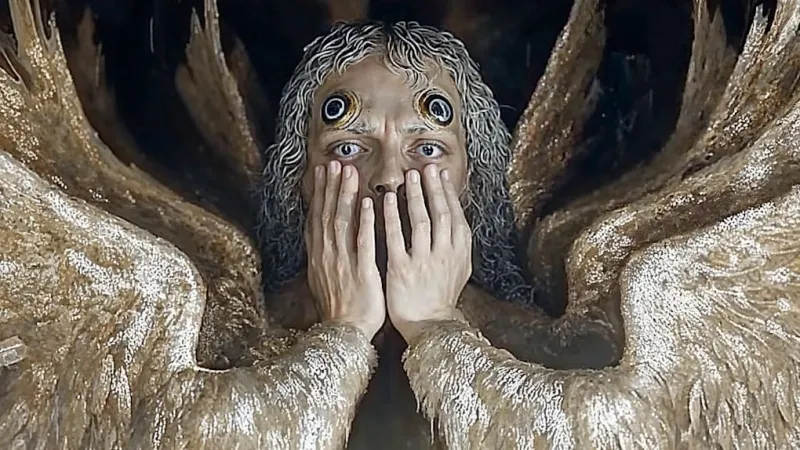
MONTREAL – Canadian artist Jon Rafman has issued a provocative forecast, asserting that smartphones, ubiquitous in modern life, will soon cease to exist in their current form. His artistic endeavors vividly capture the essence of a generation inextricably linked to digital interfaces, compelling society to reconsider its profound immersion in screen culture and anticipate what lies beyond the handheld device era.
Rafman, renowned for his critical exploration of digital landscapes and their impact on human experience, challenges the prevailing notion of technology as an unalloyed good. His work frequently delves into themes of isolation, alienation, and hyper-reality that characterize contemporary life lived predominantly through screens.
The artist articulates a future where the smartphone, as a distinct physical object, becomes obsolete, replaced by more integrated, perhaps even invisible, technological modalities. This prediction is not merely speculative; it arises from his deep observation of societal trends and the rapid evolution of digital tools.
His art pieces often serve as unsettling mirrors, reflecting the peculiar intimacy and detachment that define interactions within virtual spaces. From hypnotic video installations to surreal digital collages, Rafman masterfully encapsulates the psychological nuances of an existence mediated by pixels.
In a striking personal statement reflecting his philosophy, Rafman revealed his own unconventional modification: attaching a plain grey bar to his iPhone. This deliberate act serves as both a symbolic protest and a tangible reminder of the device's pervasive influence.
The simple, unadorned grey bar transforms the sleek, attention-grabbing smartphone into an inert, almost sculptural object, stripping it of its immediate functional allure. It forces a momentary pause, an interruption in the endless scroll and notification cycle.
Rafman explains that this modification aims to highlight the addictive qualities of these devices and to encourage a conscious disengagement from their constant demands. It prompts users, and observers, to question the necessity of uninterrupted digital connectivity.
His perspective aligns with a growing discourse concerning digital well-being and the unintended consequences of an always-on culture. Experts in psychology and technology increasingly point to the toll screen addiction takes on mental health and social interaction.
The artist envisions a post-smartphone age characterized by new forms of interaction and information access, suggesting a fundamental shift in how humans interface with data and each other. This transformation could lead to either greater integration or an even more profound sense of disconnect, depending on how society adapts.
Rafman's work invites a crucial dialogue about the future trajectory of human-technology symbiosis. It posits that the end of the smartphone might not signify a return to a pre-digital past, but rather an evolution into a different, perhaps more subtly immersive, digital future.
The conversation around technology's cultural impact extends beyond individual devices. Similar debates about digital saturation are emerging in various sectors, exemplified by initiatives like the proposed German radio music quota, which seeks to influence cultural consumption in the digital age. This push to regulate content and exposure points to a broader societal reckoning with technology's pervasive influence on daily life and culture. German Premiers Push Radio Music Quota, Sparking AI-Fueled Culture War.
Ultimately, Rafman challenges individuals to consider their relationship with the devices that mediate so much of their reality. His predictions, while audacious, serve as a potent catalyst for examining the boundaries between the physical and digital realms.
The grey bar on his iPhone stands as a silent sentinel, a minimalist monument to a potential future where the clamor of notifications gives way to a more considered engagement with the world, or perhaps, a different kind of digital whisper.