 Chris Robert
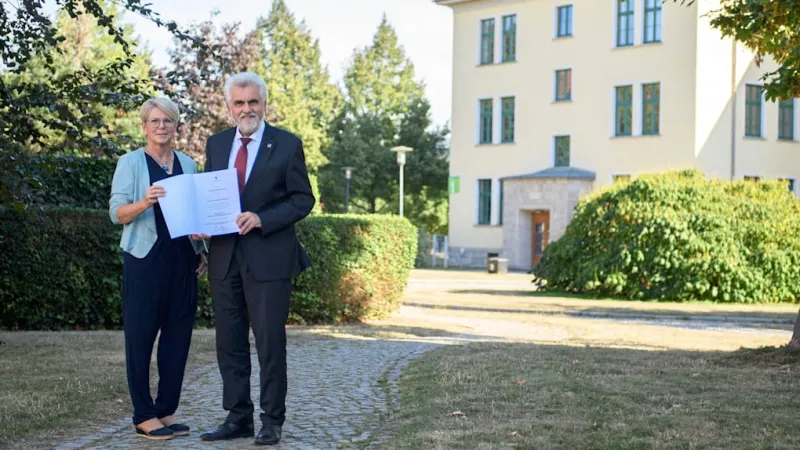
State Premiers Schulze of Saxony-Anhalt and Voigt of Thuringia, both representing the Christian Democratic Union (CDU), have sparked a significant cultural discussion in Germany after jointly proposing a mandatory quota for German-language music on national radio broadcasts. Published in a recent article, their demand swiftly attracted widespread attention, with a leading WELT-TV editor describing the initiative as a "confusing" attempt at a cultural confrontation, potentially marred by the involvement of artificial intelligence.
The premiers outlined their vision for a substantial increase in domestic musical content, aiming to bolster the presence of German artists and reinforce national cultural identity against the dominance of international, primarily English-language, music. Their article suggested that such a quota would not only preserve the German language in popular culture but also provide a crucial platform for emerging talents within the country.
The proposal was immediately framed by critics as an ill-conceived attempt to launch a culture war, reminiscent of historical debates surrounding national cultural preservation versus artistic freedom and global exchange. Observers noted that the timing and nature of the demand appeared to seek a broader political impact beyond mere radio programming adjustments.
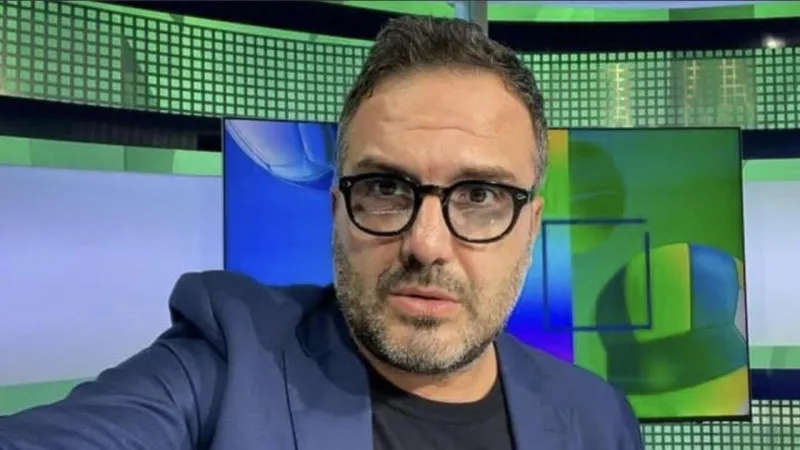
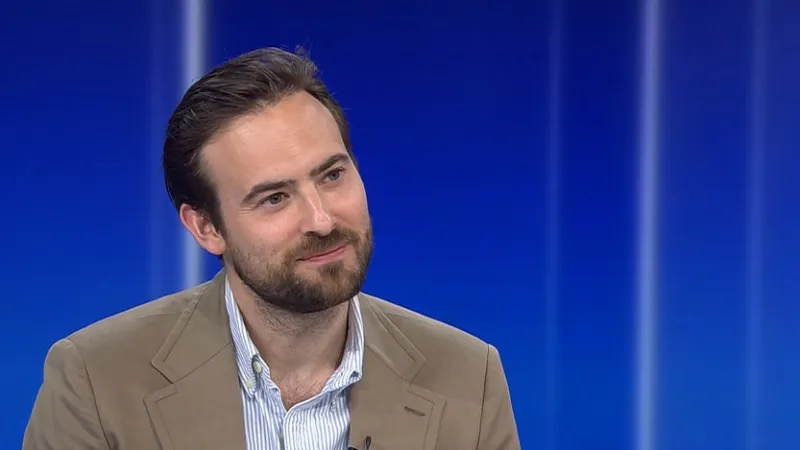
Sebastian Vorbach, a seasoned editor for WELT-TV, voiced particular skepticism regarding the proposal's presentation. He publicly stated, "Bei diesem etwas verwirrenden Text war anscheinend auch die KI mit an Bord," translating to, "With this somewhat confusing text, AI was apparently also on board."
Vorbachs pointed remark introduced a new dimension to the controversy, suggesting that the very drafting of the premiers' argument might have been outsourced or heavily reliant on artificial intelligence tools. This immediately prompted questions about the increasing role of AI in political communication and policy formulation.
While artificial intelligence tools can streamline drafting processes and aid in research, their potential to inject ambiguity or unintended messaging into critical policy documents remains a significant concern for transparency and authorship. The growing debate surrounding artificial intelligence's ethical implications and potential for exploitation in various sectors, including politics, has been a global concern, as highlighted by leaders like Italy's President Sergio Mattarella, who recently warned youth on AI exploitation.
Debates over national content quotas are not new in the European media landscape. Countries like France have long maintained strict quotas for French-language music on radio, citing reasons of cultural preservation and linguistic heritage. These measures often provoke discussions on market interference, listener preference, and the definition of national identity in a globalized world.
The CDU, traditionally a party emphasizing conservative values and national identity, has a complex history with cultural policy. While supporting German cultural institutions, mandating specific content quotas can be viewed as an interventionist approach that some within the party might find at odds with principles of free market and artistic autonomy.
Should such a German music quota be implemented, radio stations would face significant programming changes, potentially needing to re-evaluate their playlists and discover new German artists. For musicians, while offering an expanded platform, it also raises questions about genuine merit versus mandated airtime, and whether artificial boosts truly foster organic growth.
Early reactions from the German music industry have been mixed. While some artists might welcome the guaranteed airplay, others express concern about potential artistic limitations or a perceived ghettoization of German music. Listeners, accustomed to diverse international offerings, may also resist sudden, government-mandated shifts in programming.
The proposal emerges in a dynamic political climate where issues of national identity and sovereignty are frequently debated. The premiers' decision to champion a German music quota could be interpreted as an attempt to appeal to a specific segment of the electorate concerned with the perceived erosion of national culture.
The accusation of AI involvement in the proposals text adds a layer of modern skepticism. It challenges the authenticity of the message and raises profound questions about accountability in public discourse. Is a policy proposal less credible if an AI contributed to its articulation? This echoes broader concerns about information integrity in the digital age.
Implementing a national German music quota would involve overcoming significant practical and legal hurdles. Defining "German-language music" can be complex, especially with artists who perform in multiple languages or whose works blend international influences. Legal frameworks for enforcement and potential appeals would also need careful consideration.
The underlying sentiment behind the premiers' proposal points to a deeper societal conversation about the role of culture in national identity and the balance between global influences and local preservation. Whether a radio quota is the most effective or appropriate tool for this objective remains contentious.
Ultimately, the bid by Premiers Schulze and Voigt to introduce a German music quota on radio, coupled with the intriguing suggestion of AI involvement in its articulation, stands as a notable flashpoint in Germany's ongoing dialogue about media, culture, and national self-perception in the 21st century. The outcome of this cultural skirmish will likely inform future debates on policy drafting and artistic freedom.