 Chandra Wijayanto
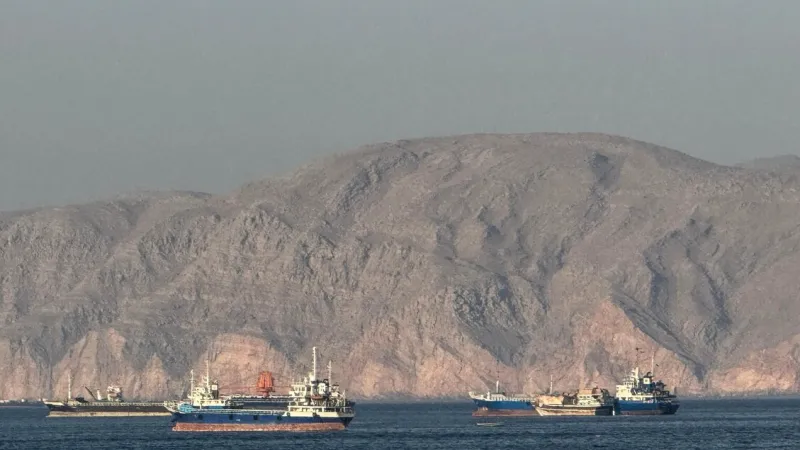
Washington, D.C. -- President Donald Trump announced today a pivotal agreement with Iran to reopen the strategic Strait of Hormuz for international shipping, effective this Friday following its official signing. The breakthrough comes amidst escalating tensions, signaling a potential de-escalation in a crucial global waterway, even as Tehran declared the United States and Israel had been "humiliated" and forced to surrender. The news immediately sent global oil prices plummeting.
The surprise announcement by President Trump marks a significant diplomatic development, aiming to restore stability to the vital chokepoint through which a substantial portion of the world's seaborne oil passes. The closure of the Strait of Hormuz had previously triggered widespread concern among international allies and global markets, contributing to volatility in energy prices.
Iranian state media, however, presented a starkly different narrative, portraying the agreement as a capitulation by its adversaries. Reports from Tehran highlighted statements claiming that both the United States and Israel had been "humiliated" and had no option but to concede to Iranian demands. This rhetoric underscores the deep-seated animosity that persists despite the diplomatic progress.
The immediate market reaction was pronounced. Crude oil futures saw a sharp decline within hours of the announcement, reflecting investor relief over the prospective resumption of normal maritime traffic and a perceived reduction in geopolitical risk. Analysts predict further downward pressure on prices as supply fears dissipate.
The US-Iran agreement arrives after months of heightened tensions, including numerous maritime incidents and accusations of regional provocations. While specific details of the accord remain scarce, its primary objective appears to be ensuring unimpeded passage through the Strait of Hormuz, a critical artery for global commerce.
President Trump's administration has consistently prioritized securing international waterways and fostering stability in the Middle East. This agreement, coming as President Trump approaches a critical G7 summit, could be viewed as a diplomatic triumph aimed at mitigating regional conflicts and their global economic repercussions.
The reopening is slated for Friday, contingent upon the formal signing of the agreement. This rapid implementation timeframe suggests urgent diplomatic efforts to finalize the terms and operational aspects of the deal, ensuring a swift return to normalcy for shipping routes.
For years, the Strait of Hormuz has been a flashpoint for geopolitical rivalries, particularly between Iran and Western powers. Its intermittent closures or threats of closure have historically sent shockwaves through the global energy sector, affecting economies worldwide.
This current agreement follows a period of significant regional instability. Previous attempts at de-escalation have faced considerable hurdles, as evidenced by reports of incidents like the Beirut bombings which jeopardized an earlier accord and provoked Iranian outcry. The successful negotiation of the present deal signals a potential shift in diplomatic engagement.
The implications for international trade and energy security are profound. A stable Strait of Hormuz translates directly to predictable energy supplies, benefiting consumer nations and stabilizing commodity markets. Conversely, renewed tensions could easily reverse these gains.
Observers are now keenly watching for further specifics of the agreement, particularly regarding verification mechanisms and long-term commitments from both sides. The Iranian government's aggressive posturing, even in the wake of a negotiated settlement, suggests that underlying grievances may persist.
The international community generally welcomes any steps toward reducing tensions in the Persian Gulf. However, the true test of this agreement will lie in its sustained implementation and whether it can foster a more enduring framework for regional cooperation and de-escalation, rather than merely a temporary reprieve.