 Robert Andrison
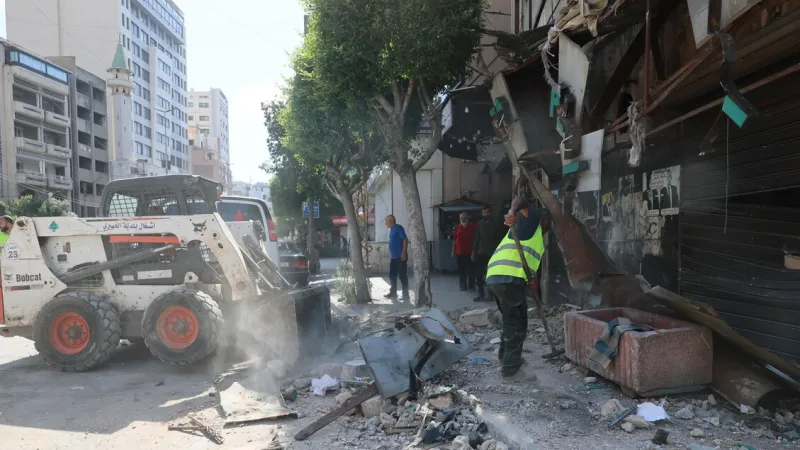
Beirut, Lebanon – Israeli strikes on the Lebanese capital have killed at least three individuals, critically jeopardizing ongoing peace negotiations and drawing a sharp rebuke from Iran, which accused the United States of failing to uphold its commitments. President Donald Trump, expressing strong disapproval, reportedly conveyed his anger over the escalation, which coincided with a Qatari delegation arriving in Tehran for crucial peace talks.
The precise targeting of the strikes within Beirut remains a focal point of international scrutiny. Local media outlets swiftly confirmed the fatalities, adding to the instability plaguing the already fragile region. These actions introduce significant obstacles to any prospective de-escalation efforts.
Mohammad Bagher Ghalibaf, Speaker of the Iranian Parliament, wasted no time in condemning the attacks, directly linking them to the reliability of American foreign policy. "It is a demonstration that the US does not respect its commitments," Ghalibaf stated, an assertion that reverberates through diplomatic circles, questioning the bedrock of any future agreements. This strong stance from Iran comes as its nuclear program remains a persistent concern for global powers.
Simultaneously, a high-level delegation from Qatar arrived in Tehran with a stated objective of advancing peace discussions. Their presence underscores the urgent need for diplomatic intervention in a region perpetually on the brink of wider conflict. The timing of the Beirut strikes threatens to overshadow these sensitive deliberations, making their mission significantly more challenging.
President Donald Trump's reported anger over the Beirut strikes highlights the potential for these hostilities to derail broader regional strategies. President Trump has often emphasized the importance of stability in the Middle East, and any actions perceived as undermining that objective tend to draw his ire. This sentiment aligns with previous expressions of concern, such as when Trump denounced similar actions that questioned US commitment amid peace pushes.
Efforts to foster a lasting peace in the Middle East have been protracted and fraught with setbacks. Various international actors, including Qatar, have consistently attempted to mediate between regional powers. The current diplomatic push aims to address long-standing grievances and prevent a wider conflagration.
The arrival of the Qatari delegation further emphasizes the fragility of the regional security landscape and the delicate balance required for successful mediation, a topic explored previously in Tehran signals nuclear restraint amid urgent Qatar-US mediation.
The targeting of Beirut carries profound regional implications. Lebanon often finds itself caught in the crosshairs of geopolitical rivalries, particularly between Israel and Iran-backed groups. Such attacks invariably heighten tensions and risk drawing other factions into the fray, creating a dangerous cycle of retaliation. Reports have previously detailed Israel striking Hezbollah in Beirut suburbs amid ceasefire violations, underscoring this volatile dynamic.
Ghalibaf's sharp criticism regarding US commitments places President Trump's administration in a delicate position. The assertion that Washington fails to honor its agreements can undermine trust crucial for diplomatic breakthroughs. This narrative could complicate future negotiations and alienate potential partners, particularly as the US navigates complex relationships across the globe.
From Iran's perspective, the strikes on Beirut are not isolated incidents but rather part of a pattern of aggression that destabilizes the region and challenges its own security interests. The leadership in Tehran frequently articulates its stance against perceived foreign interference and aggression, framing such events as justifications for its own defensive postures.
The international community now faces renewed pressure to intervene and de-escalate the situation. The ramifications of an uncontained conflict in Lebanon would extend far beyond its borders, potentially impacting global energy markets and humanitarian aid efforts. Diplomatic channels will be tested severely in the coming days.
Immediate concerns revolve around preventing further casualties and ensuring the safety of civilians in Beirut. The future of the peace talks, however, hangs precariously. The success of the Qatari delegation's mission in Tehran now depends heavily on the ability of all parties to demonstrate restraint and a genuine commitment to dialogue despite the latest violent flare-up.