Chandra Wijayanto
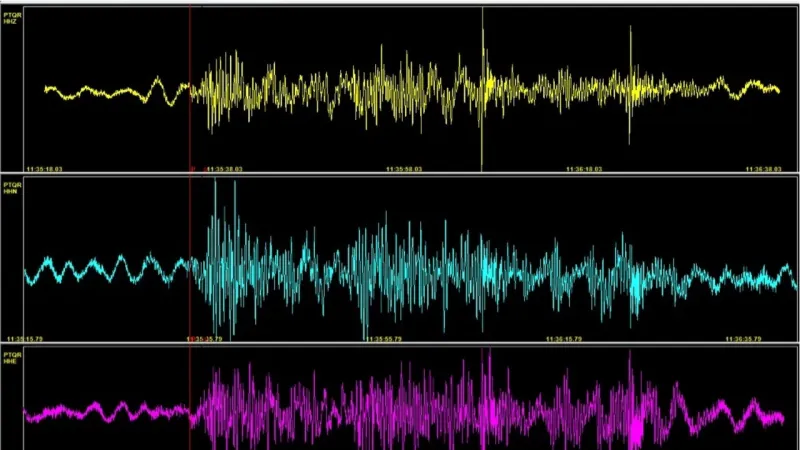
A powerful magnitude 5.7 earthquake struck Japan recently, injuring more than 20 individuals and causing widespread alarm, though authorities confirmed no anomalies at the critical Hamaoka nuclear power plant. The seismic event underscored the nations constant vulnerability to natural disasters while highlighting the effectiveness of its robust infrastructure protocols.
The Japan Meteorological Agency reported the tremor occurred at a shallow depth, amplifying its impact across affected regions. While the precise epicenter details were not immediately disclosed, residents across several prefectures experienced significant shaking, prompting immediate safety alerts.
Emergency services swiftly responded to calls for assistance, with initial reports indicating minor injuries primarily from falls and displaced objects. Local hospitals treated individuals for cuts, bruises, and shock, but no fatalities or critically severe injuries have been reported thus far.
Kyodo News agency promptly relayed official statements confirming the integrity of the Hamaoka nuclear power plant. This assurance was crucial given Japans history with seismic events and the heightened public sensitivity surrounding nuclear energy facilities following the 2011 Fukushima disaster.
The Hamaoka plant, located in Shizuoka Prefecture, is particularly vulnerable due to its position near a major fault line. Its operational status and safety measures are under constant scrutiny, making official confirmations of its stability paramount after any significant seismic activity.
Residents recounted objects tumbling from shelves and buildings swaying violently during the initial tremor. Many automatically sought cover under sturdy furniture or evacuated to open spaces, a testament to Japans rigorous earthquake preparedness drills.
Despite the immediate chaos, the nations resilient infrastructure largely withstood the moderate quake. Building codes in Japan are among the strictest globally, designed to mitigate damage from frequent seismic activity, often referred to as magnitude 5.7 quake jolts Japan.
Transportation networks experienced temporary disruptions, including minor delays in bullet train services as operators performed safety checks. These precautionary measures are standard protocol to ensure the continued safety of millions of commuters.
Geologists continuously monitor Japans position along the Pacific Ring of Fire, a hotbed of seismic and volcanic activity. This geographical reality necessitates advanced early warning systems and comprehensive disaster management strategies.
The government has urged citizens to remain vigilant for potential aftershocks, which often follow significant tremors and can pose additional risks to damaged structures or unstable areas. Public safety announcements were broadcast across television and radio.
International observers often look to Japans handling of such events as a benchmark for disaster preparedness. The rapid assessment of nuclear facilities and efficient emergency response showcase a sophisticated system honed over decades.
While this earthquake did not trigger a tsunami warning, coastal areas remained cautious, as even moderate offshore quakes can sometimes generate localized sea level anomalies, although none materialized in this instance.
This latest event serves as a stark reminder of the ongoing seismic challenges facing Japan, necessitating perpetual investment in infrastructure, research, and public education to minimize future risks and casualties.
Experts routinely emphasize the importance of continuous readiness, not just for residents but also for utility companies and critical infrastructure operators. Regular drills and technological advancements play a pivotal role in ensuring a rapid and effective response.
The recent incident highlights how integral public awareness campaigns are. From schoolchildren to senior citizens, the populace understands the immediate steps to take when an earthquake strikes, a collective knowledge that undoubtedly reduces the number of serious injuries.
While the immediate danger has subsided, local authorities continue damage assessments, particularly in older residential areas where structures might be more susceptible to tremors. These assessments will inform any necessary repair efforts or structural reinforcements.
The episode also indirectly contributes to ongoing discussions about Japans energy future. The quick confirmation of Hamaokas safety provides some reassurance, yet the underlying debate about the role of nuclear power in a seismically active nation persists.
As the cleanup begins and life slowly returns to normal, the resilience of the Japanese people in the face of natures formidable power once again comes to the forefront. Their ability to recover and adapt is a defining characteristic.