Dorry Archiles
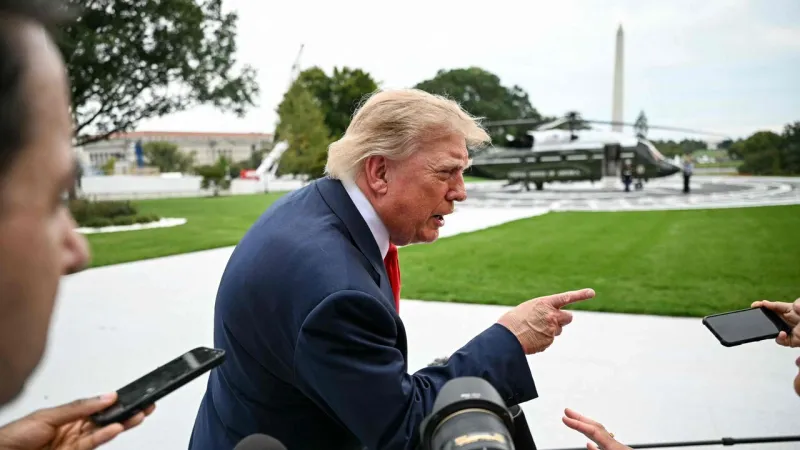
WASHINGTON – As the decisive midterm elections approach their conclusion, President Donald Trump confronts the looming specter of a significant Democratic surge across the nation. His final campaign efforts unfold against a backdrop of unfavorable polling data, raising concerns within Republican circles about the potential for substantial losses in both chambers of Congress and key state governorships.
The White House has maintained a defiant posture, with senior advisors asserting that the President remains confident in the electorate's support for his agenda. However, behind the scenes, strategists are reportedly recalibrating expectations amid a visible shift in voter sentiment in critical battleground states.
The Democratic Party, buoyed by recent momentum, has consolidated its message, focusing on economic issues, healthcare access, and the protection of democratic institutions. This coordinated approach appears to resonate with a diverse coalition of voters, from suburban independents to motivated progressive bases.
Michigan, a pivotal state often seen as a bellwether for national trends, has become a focal point of intense political activity. Internal dissent among liberal factions has surfaced, particularly around figures like El-Sayed, whose campaign has reportedly faced challenges amidst broader ideological clashes within the state's Democratic apparatus.
While such internal friction could theoretically weaken the Democratic front, the overall trend observed in statewide and congressional races suggests a unified opposition to the current administration. Voters appear keenly aware of the stakes, with turnout projections indicating robust participation.
President Trump has continued his signature rallies, often drawing large crowds, yet analysts question the conversion of rally enthusiasm into actual votes, especially among undecided demographics. The President's direct appeals and broadsides against perceived political enemies have become a staple of his closing arguments.
The current political climate is also being shaped by the ongoing debate over election integrity, a recurring theme that has energized segments of the Republican base. Firms associated with prominent figures, such as a Musk-tied firm founding an election integrity group echoing Trump claims, have amplified these discussions, adding another layer of complexity to the electoral landscape.
Meanwhile, Democratic leaders, including congressional heavyweights and gubernatorial candidates, have meticulously campaigned on local issues while seamlessly weaving in national narratives. They portray the midterms not merely as a referendum on President Trump but as a crucial juncture for the country's future direction.
Pollsters and political scientists are closely scrutinizing suburban demographics, particularly educated women, who have shown a marked shift towards the Democratic Party in recent election cycles. Their voting patterns could prove decisive in numerous competitive districts and states.
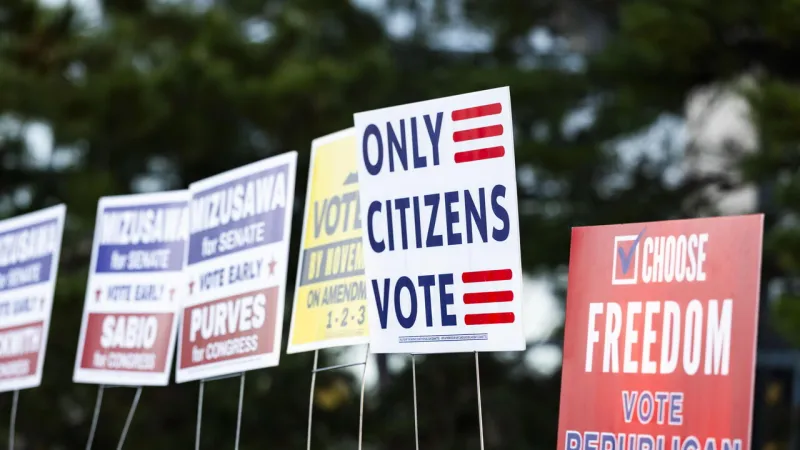
As election day dawns, the nation watches intently to see whether President Trump's fervent base can defy the prevailing polling trends, or if the anticipated Democratic wave will indeed reshape the political map and influence the trajectory of his remaining term.
The implications of these midterm elections extend beyond legislative control; they will undoubtedly set the tone for the remainder of President Trump's administration and provide crucial insights into the evolving American political identity.