Dorry Archiles
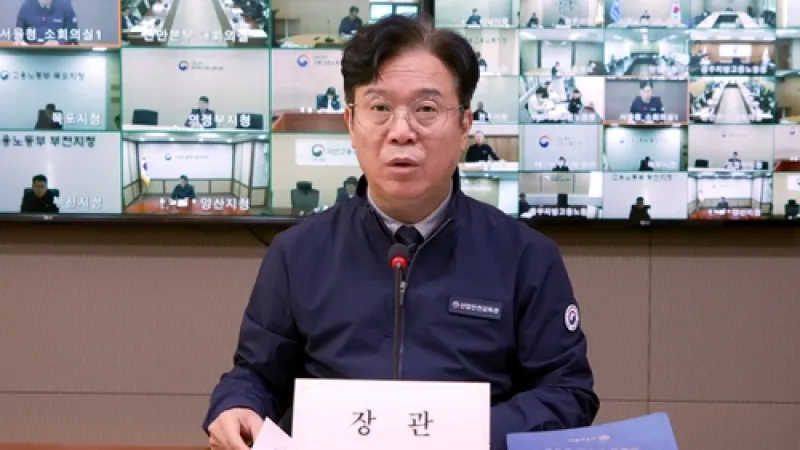
SEOUL, Nov. 7 (Yonhap) – South Korean Labor Minister Kim Young-hoon on Saturday called for significantly tougher action to combat industrial accidents, emphasizing enhanced enforcement and increased accountability for businesses failing to protect their workers.
Minister Kim's directive comes amidst persistent concerns over workplace safety standards and the ongoing toll of preventable incidents across various sectors in the nation.
The minister conveyed his strong stance during a weekend meeting with key labor safety officials, stressing the urgent need to review and fortify existing regulations. His remarks underscore a governmental resolve to drastically reduce the frequency and severity of industrial accidents that continue to plague Korean industries.
He highlighted the human cost of these incidents, noting that behind every statistic lies a family devastated and a community impacted. The call for tougher action is not merely punitive but aims to foster a culture of proactive safety management from the top down.
Industry observers suggest that this renewed push by the Labor Ministry reflects a growing public demand for greater corporate responsibility. Advocacy groups have long pressed for more stringent penalties and a more rigorous oversight framework.
The focus is expected to fall on high-risk industries, including construction, manufacturing, and heavy industrial complexes, where the potential for serious accidents is inherently higher due to operational complexities and hazardous environments.
Minister Kim outlined that tougher measures could encompass increased unannounced inspections, heavier financial penalties for non-compliance, and potentially more severe criminal charges for management found negligent in cases of fatal or severe injuries.
While South Korea has made strides in workplace safety legislation, critics argue that enforcement often falls short, allowing some companies to prioritize production targets over worker well-being. This perceived gap between law and practice is a key area the ministry aims to address.
The minister also acknowledged the challenges of balancing regulatory burdens with economic growth, particularly for small and medium-sized enterprises. However, he maintained that worker safety cannot be compromised for economic expediency.
This initiative aligns with broader global efforts to improve occupational health and safety standards. Many developed nations have implemented comprehensive safety protocols and robust enforcement mechanisms, offering potential models for South Korea to consider.
The ministry plans to collaborate more closely with labor unions and industry associations to develop practical, effective solutions that resonate with both employers and employees. A cooperative approach, he noted, is crucial for sustainable change.
Enhancing public awareness campaigns about workplace safety risks and prevention methods is also on the agenda. Educating both workers and management about their rights and responsibilities is seen as a foundational step toward a safer work environment.
Recent data, though not specified by the minister in detail, reportedly indicates that despite legislative improvements, the rate of serious industrial accidents remains a significant concern, prompting this high-level intervention.
The government's commitment extends to providing resources and training programs designed to help companies, particularly those with limited resources, implement best safety practices without undue financial strain.
This call to action from the Labor Minister is anticipated to catalyze a fresh wave of policy discussions and potentially legislative amendments aimed at fortifying the national framework for preventing industrial accidents.
Moving forward, the effectiveness of these tougher actions will depend largely on consistent application and a sustained political will to hold all stakeholders accountable, ensuring that every worker returns home safely at the end of their shift.