 Robert Andrison
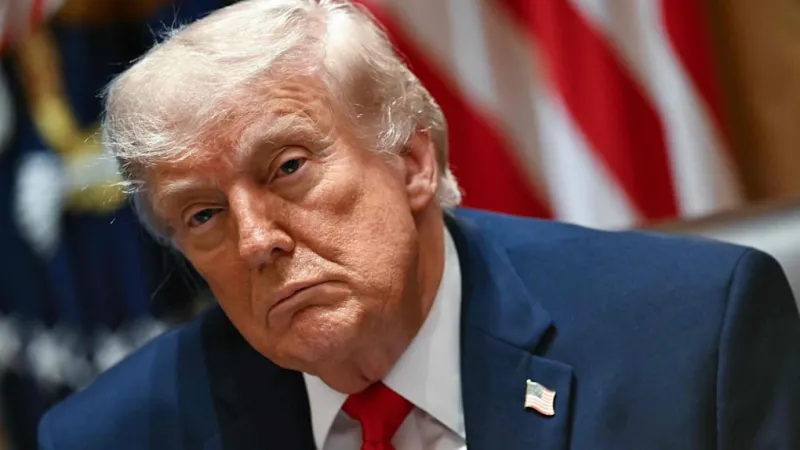
Washington D.C. — President Donald Trump has announced the cancellation of a traditional concert series planned for the nation 250th Independence Day celebration, opting instead to host a political rally. This significant shift comes after several prominent musical artists reportedly declined invitations to perform at the momentous July 4, 2026, commemorative event.
The decision marks a departure from typical Fourth of July festivities, which historically feature a broad array of entertainment suitable for a national audience. Reports from sources close to the organizing committee, who spoke on condition of anonymity, indicated growing challenges in securing high-profile performers willing to participate under the current administration.
While official reasons for the change have not been fully articulated, President Trump has indicated a preference for a rally, which suggests a desire to infuse the national holiday with a more overtly political tone. This move aligns with a pattern observed in previous public engagements where the President has favored direct interaction with his base.
The 250th anniversary of American independence, often referred to as the Sestercentennial, holds profound historical and cultural weight. It is a milestone typically envisioned as a moment for national unity and reflection on the country foundational principles, transcending partisan divides.
Past Independence Day celebrations have frequently involved grand public spectacles, including concerts, parades, and fireworks displays, designed to appeal to Americans of all political persuasions. Presidents throughout history have traditionally used the occasion to address the nation on themes of shared heritage and patriotism.
Critics are likely to view the cancellation of the concerts and the substitution of a rally as an attempt to politicize a non-partisan national holiday. Concerns could arise regarding the exclusion of segments of the population who might feel alienated by a politically charged event, rather than an inclusive celebration.
Conversely, supporters of President Trump may welcome the change, perceiving a rally as a more direct and engaging way for the President to connect with the American people. They might argue that such an event allows for a more robust expression of contemporary American patriotism and political discourse.
Logistical challenges will undoubtedly accompany this last-minute pivot. Organizers will need to reconfigure security protocols, stage setups, and public access plans, shifting from a large-scale musical performance event to one centered around a presidential address and political messaging.
The year 2026 finds the United States in a dynamic political climate, with various national and international issues dominating public discourse. The decision to reshape the 250th anniversary celebration could be seen through the lens of ongoing political campaigns or broader efforts to mobilize a specific voter demographic.
The White House has yet to release specific details regarding the format and speakers for the planned rally, beyond President Trump central role. Further announcements are anticipated as the July 4 date approaches, clarifying how this unprecedented 250th Independence Day event will unfold in the nation capital.