 Chandra Wijayanto
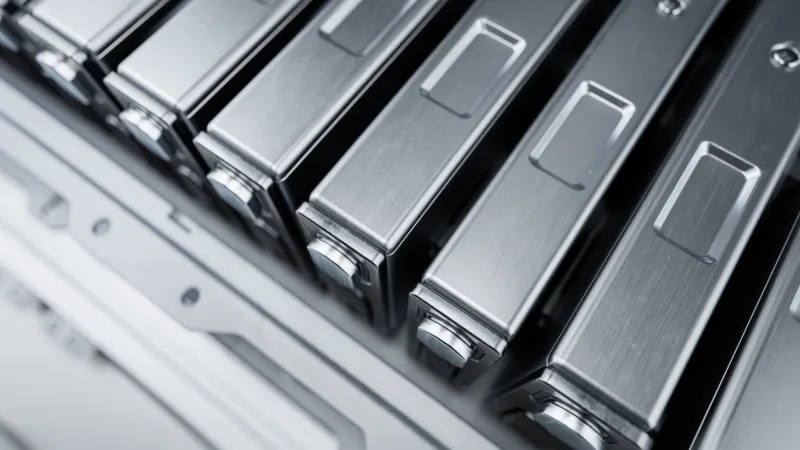
A paradigm shift in energy storage technology appears imminent as sodium-ion batteries emerge as a viable and increasingly competitive alternative to the ubiquitous lithium-ion cells that currently power everything from smartphones to electric vehicles. Researchers and industry leaders across the globe are intensifying efforts to overcome key differences, envisioning a future where abundant and lower-cost sodium could reshape the global energy landscape, particularly for stationary storage and certain transportation sectors.
For decades, lithium-ion technology has reigned supreme, lauded for its high energy density and impressive cycle life. This dominance, however, comes with inherent challenges. Lithium is a relatively scarce and geographically concentrated resource, leading to volatile prices and complex supply chain geopolitics. Extraction processes can also carry significant environmental footprints, raising concerns about sustainability as global demand for batteries continues its exponential surge.
Sodium-ion batteries present a compelling counter-narrative. Sodium, found abundantly in common salt, offers a dramatically lower material cost and a more distributed supply chain, reducing geopolitical dependencies. This elemental advantage promises to democratize access to advanced energy storage, especially for developing nations and regions less endowed with lithium reserves.
Key differences in their electrochemical properties define their respective strengths and weaknesses. Lithium, being a lighter element, allows for greater energy density per unit of mass, making it ideal for applications where weight and space are at a premium, such as long-range electric vehicles and portable electronics. Sodium, while heavier, compensates with improved thermal stability and a wider operational temperature range, potentially enhancing safety and reliability.
Despite their promise, sodium-ion batteries face significant technological hurdles before achieving widespread adoption. Their inherent lower energy density compared to lithium-ion counterparts means they are currently less suitable for applications demanding extreme power-to-weight ratios. Engineers are actively researching novel electrode materials and electrolytes to bridge this performance gap, pushing the boundaries of what sodium chemistry can achieve.
The immediate applications where sodium-ion technology could truly shine are in grid-scale energy storage and low-speed electric vehicles. For stationary storage, where space is less of a constraint than cost and safety, sodium-ion batteries offer a robust and economically attractive solution for balancing renewable energy sources like solar and wind, mitigating intermittency, and strengthening grid resilience.
Global investment in sodium-ion research and development has witnessed a dramatic uptick in recent years. Companies from Asia to Europe are establishing pilot lines and scaling up production, signaling a serious commitment to bringing this technology to commercial viability. These efforts are not aimed at merely replacing lithium but rather at creating a complementary ecosystem of battery technologies tailored to diverse needs.
Environmental considerations extend beyond raw material abundance. The manufacturing processes for both battery types are undergoing continuous scrutiny and innovation to reduce energy consumption and waste. Sodium-ion batteries, by their nature, often avoid the need for costly and environmentally sensitive elements like cobalt, which is frequently used in some lithium-ion chemistries, further enhancing their sustainability credentials.
Economically, the lower raw material costs associated with sodium are expected to translate into more affordable end products. This cost advantage is crucial for accelerating the global energy transition, making clean energy storage solutions accessible to a broader market and facilitating the deployment of renewable infrastructure on an unprecedented scale.
Looking ahead, the market is unlikely to settle for a single battery chemistry. Experts foresee a future where both lithium-ion and sodium-ion technologies coexist, each optimized for specific niches. Lithium will likely maintain its edge in premium, high-performance applications, while sodium will carve out a significant share in cost-sensitive, large-scale deployments.
This complementary relationship could alleviate pressure on the lithium supply chain, fostering a more resilient and diversified global battery market. Such diversification is vital for ensuring energy security and preventing bottlenecks as the world rapidly electrifies its transportation and energy sectors.
Policymakers worldwide are also beginning to recognize the strategic importance of sodium-ion technology. Governments are exploring incentives and research grants to accelerate its development and deployment, viewing it as a critical component of national energy independence and environmental stewardship strategies, especially in the context of the ambitious climate goals set for 2030 and beyond.
Ultimately, the ongoing race between lithium and sodium is not merely about chemical superiority; it represents a broader quest for sustainable, secure, and affordable energy solutions for humanity. The innovations currently underway promise to redefine what is possible in energy storage, paving the way for a more electrified and environmentally conscious future.