 Angel Doris
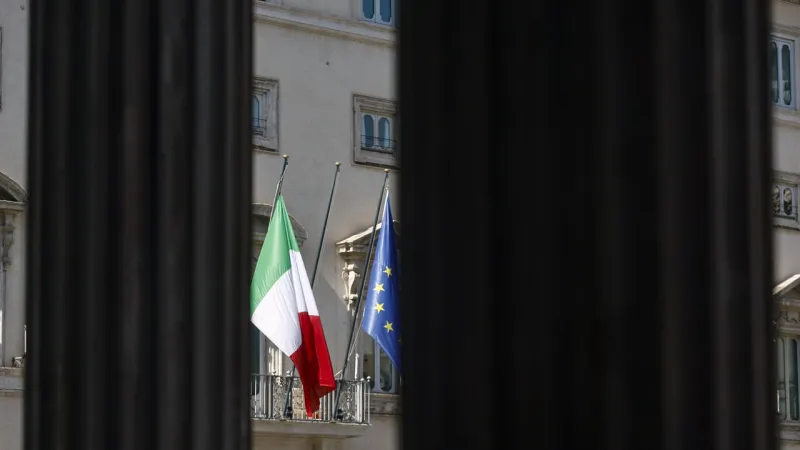
Rome — The Italian government, led by Prime Minister Giorgia Meloni, formally approved the extension of a 17-cent diesel excise cut through August 25, 2026, during a recent Cabinet Council meeting. This decisive action seeks to temper the persistent inflationary pressures on fuel prices, providing critical relief for consumers and the nation's vital logistics sector.
The measure, originally introduced to counteract soaring energy costs, represents a concerted effort by the administration to shield citizens and industries from volatile global commodity markets. Its continuation underscores a recognition of the ongoing economic challenges faced by many households and small businesses across the peninsula in 2026.
The Cabinet's approval ensures that the significant reduction on excise duties for diesel fuel will remain in effect for several more months. This move comes as Italy, like many European nations, navigates a complex economic landscape marked by high energy demands and efforts to stabilize consumer purchasing power.
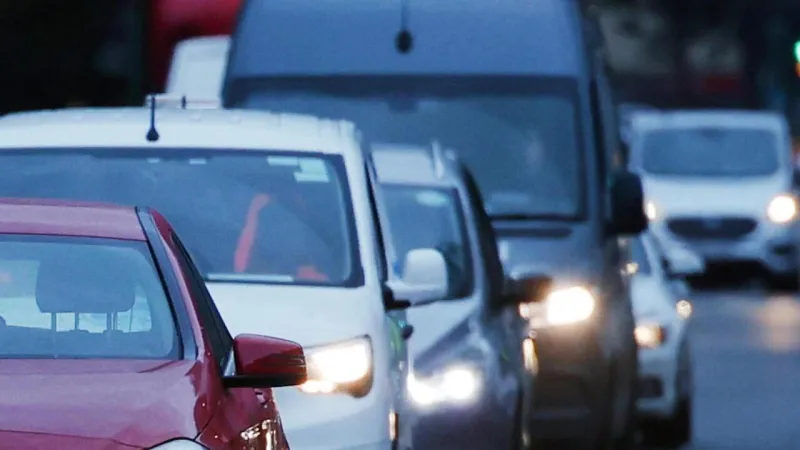
Fuel prices, particularly for diesel, have a cascading effect throughout the economy. From transportation and agriculture to manufacturing and retail, businesses rely heavily on affordable fuel to operate efficiently. The prolonged excise cut is designed to mitigate operating costs, thereby helping to prevent further price increases on goods and services.
The 17-cent reduction translates to a tangible saving at the pump for motorists and commercial fleet operators alike. It is a direct financial intervention intended to provide immediate budgetary relief, especially for those in rural areas or professions that necessitate extensive travel.
This extension is not an isolated policy but part of a broader government strategy to manage the national economy. The Meloni government has consistently emphasized its commitment to supporting economic stability and protecting vulnerable segments of the population from external shocks.
Analysts note that while temporary, such measures are crucial for maintaining economic momentum. They allow businesses to plan with greater certainty and consumers to manage their expenditures more effectively during periods of economic fluctuation.
The move aligns with previous legislative actions aimed at easing the financial burden on Italian citizens. Earlier discussions and approvals regarding fuel cost alleviation have been central to public discourse, reflecting the widespread impact of energy prices. For a deeper look into prior actions, see this related report: Italy Approves Diesel Excise Cut, Easing Fuel Costs Until August 25.
The decision also arrives amidst broader European efforts to address energy security and affordability. While national governments retain autonomy over excise duties, there is an overarching understanding of the need for coordinated responses to global economic trends.
Looking ahead, the longevity of such support measures will depend on the evolution of international energy markets and the domestic economic outlook. The government will likely continue to monitor conditions closely, evaluating the necessity for further interventions beyond the August 25 deadline. The current extension provides a much-needed buffer, granting businesses and families additional breathing room in the immediate future.