 Stefani Rindus
ROME – The Italian market for senior living residences is experiencing a significant boom, fueled by a robust silver economy and a rising demand for specialized housing that caters to independent older adults seeking vibrant social connections and a high quality of life. This burgeoning sector reflects a profound societal shift towards embracing longevity with enhanced community living options across the nation.
This surge represents more than just a real estate trend; it signifies a redefinition of old age, moving beyond traditional care models to embrace active and socially engaged lifestyles. Italy, a nation with one of the worlds oldest populations, finds itself at the forefront of this transformation, as its demographic landscape increasingly favors solutions for an independent yet connected retirement.
The silver economy, broadly encompassing the economic activities related to the needs of older people, serves as the primary engine for this expansion. As life expectancy increases and financial stability among retirees improves, a new consumer segment emerges, seeking not just housing but comprehensive lifestyle offerings designed for their unique phase of life.
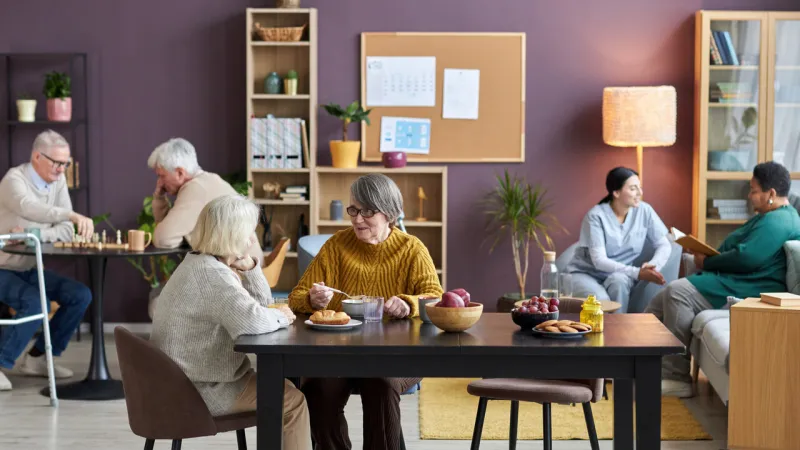
These modern senior living facilities are distinctly different from the institutional nursing homes of the past. They emphasize autonomy and well-being, providing residents with private apartments alongside a rich array of communal services and amenities. These include shared dining spaces, fitness centers, libraries, cultural activities, and assisted transportation.
A key driver behind the demand is the profound desire for social interaction. Many independent seniors, while capable of managing their daily lives, often confront isolation, particularly in urban settings where extended families are geographically dispersed. These residences intentionally design environments that foster community, friendships, and shared experiences.
Real estate developers and investment funds are keenly observing this expanding sector. Significant capital inflows are targeting the construction and acquisition of properties suitable for conversion or new build senior living communities. Major Italian cities and picturesque regions are becoming hotspots for these developments.
The concept of living longevity is central to the appeal. These facilities offer peace of mind through security, easy access to support services, and the assurance of a vibrant social calendar, allowing residents to age in place gracefully and purposefully, rather than merely existing.
Industry analysts project sustained growth in this market over the next decade, driven by ongoing demographic shifts and a cultural re-evaluation of retirement. While challenges such as regulatory frameworks and maintaining affordability exist, the fundamental demand remains strong.
The development of these communities also brings economic benefits, creating jobs in construction, hospitality, healthcare support, and service industries. It represents a virtuous cycle, addressing societal needs while stimulating economic activity in various regions of Italy.
These new models offer a compelling alternative for adult children too, providing them comfort in knowing their parents live in a secure, stimulating, and supportive environment without compromising their independence. This alleviates some of the burdens of care often placed on younger generations.
Future innovations are expected to further personalize the senior living experience, integrating smart home technologies, advanced telehealth services, and bespoke wellness programs. The goal is to continuously enhance the autonomy and quality of life for residents.
The Italian approach to senior living is poised to influence European trends, demonstrating how a nation can adapt to an aging populace not just with medical care, but with proactive, community-centric housing solutions. This evolution marks a significant step forward in societal planning for extended lifespans.