 Demian Sahputra
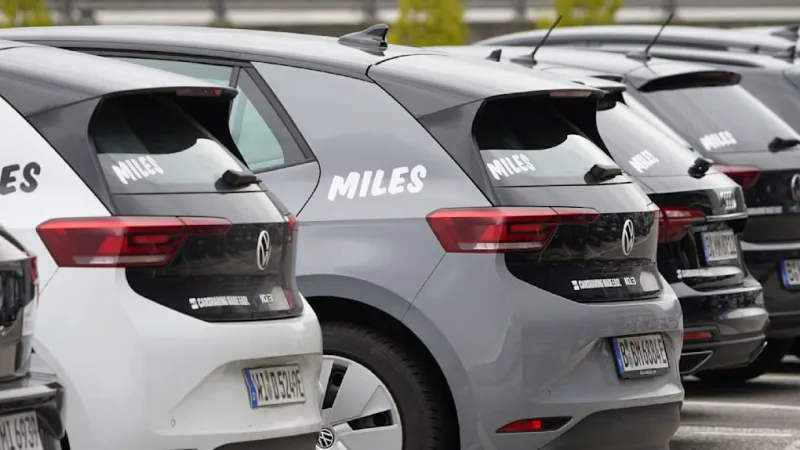
Hamburgs carsharing market is experiencing a notable paradox: fewer vehicles on the streets, yet those remaining are seeing intensified use as providers streamline operations and commit to electric models. This strategic shift underscores an evolving urban mobility landscape in one of Germanys largest cities.
The visible reduction in the number of shared vehicles signals a move away from saturation strategies that characterized the early growth of carsharing services. Instead of maximizing fleet size, companies are now focusing on optimizing the utilization rate of each vehicle within their diminished pools. This means that while finding an available car might occasionally present a minor challenge, the overall user experience is intended to be more reliable with better-maintained and newer models.
Data indicates that the remaining carsharing autos are rolling more frequently, a testament to improved operational efficiencies and potentially a more targeted deployment based on demand patterns. This higher utilization rate directly translates to a better return on investment for carsharing providers, who historically struggled with the high costs associated with maintaining large, underused fleets in competitive urban environments.
A primary driver behind this transformation is the significant push towards electric vehicles. Carsharing providers in Hamburg are actively converting their fleets to electric models, aligning with broader environmental sustainability goals and consumer preferences for greener transportation options. This electrification effort also positions companies favorably amidst increasingly stringent emission regulations within urban zones.
For consumers, the pivot to electric carsharing vehicles offers the benefit of zero-emission travel, contributing to cleaner air and reduced noise pollution in the city. While the overall number of cars might be lower, the focus on electric options often means access to modern vehicles with advanced features. However, users might encounter more competition for available cars, especially during peak hours.
Industry analysts suggest this fleet rationalization is a sign of market maturity. After an initial phase of aggressive expansion, carsharing companies are now prioritizing profitability and operational sustainability. The investment in electric infrastructure and vehicles, while substantial upfront, promises lower running costs through reduced fuel and maintenance expenses in the long term. This allows companies to refine their business models.
The strategic shift to electric carsharing significantly bolsters Hamburgs environmental credentials. By replacing internal combustion engine vehicles with EVs, the city takes a tangible step towards reducing its carbon footprint and improving air quality. This aligns with broader European initiatives aimed at decarbonizing urban transport and promoting sustainable living.
Carsharing services have become an integral part of Hamburgs comprehensive urban mobility ecosystem, complementing public transportation, cycling infrastructure, and private vehicle ownership. The refined approach by providers ensures that carsharing remains a viable and attractive option for residents and visitors seeking flexible transport solutions without the burden of car ownership.
This evolution suggests a move beyond simply offering a large number of vehicles to providing a more efficient, environmentally conscious, and demand-responsive service. It hints at a future where carsharing is less about sheer volume and more about intelligent deployment and integrating with multi-modal transport networks. This could lead to a more stable, albeit perhaps smaller, number of dominant players in the market.
Looking ahead, experts anticipate continued growth in the electric segment of carsharing, potentially integrating with autonomous driving technologies as they mature. The focus will likely remain on enhancing user convenience through seamless app integration, robust charging networks, and data-driven allocation of vehicles to meet fluctuating urban demand.
Despite the clear advantages, challenges persist. Establishing a sufficient and accessible charging infrastructure across Hamburg remains a critical factor for the widespread adoption of electric carsharing. Managing battery degradation, ensuring rapid charging times, and the initial capital outlay for electric vehicle fleets are also considerations that providers must navigate carefully.
This trend in Hamburg mirrors similar developments observed in other progressive European cities that are actively striving to reduce traffic congestion and carbon emissions. Metropolitan areas like Berlin, Paris, and Amsterdam are also witnessing shifts in their carsharing landscapes, often driven by a dual emphasis on efficiency and electrification.