 Robert Andrison
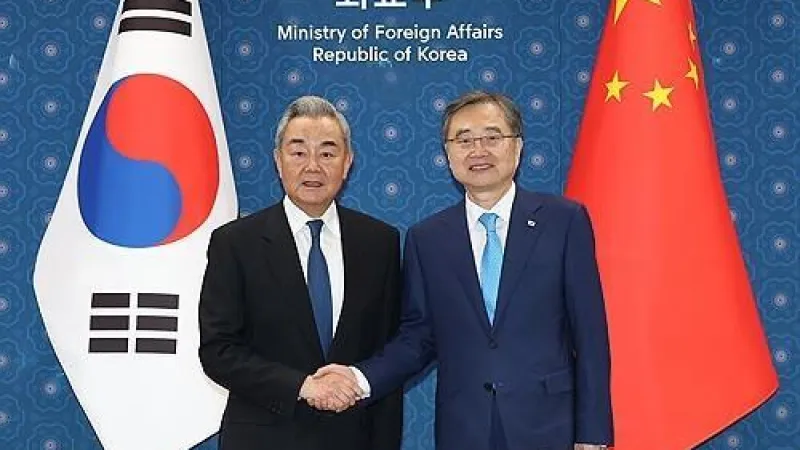
SEOUL, Nov. 13 (Yonhap) – South Korean Foreign Minister Cho Hyun departed from Seoul on Friday, November 13, 2026, bound for Beijing to engage in crucial diplomatic discussions with his Chinese counterpart, Wang Yi. The high-level meeting is set to address the intricate web of bilateral relations between Seoul and Beijing, alongside exploring potential avenues for resuming dialogue between North Korea and the United States.
The visit underscores Seoul's persistent efforts to navigate complex regional dynamics, seeking China's pivotal role in fostering stability on the Korean Peninsula. Both nations recognize the urgent need for collaborative approaches to de-escalate tensions and promote denuclearization, particularly in light of the protracted impasse in Washington-Pyongyang negotiations.
Foreign Minister Cho's agenda includes a comprehensive review of economic cooperation, cultural exchanges, and strategic partnerships that have long defined the South Korea-China relationship. Analysts suggest that strengthening these foundational ties is essential for garnering Beijing's full cooperation on more sensitive geopolitical issues.
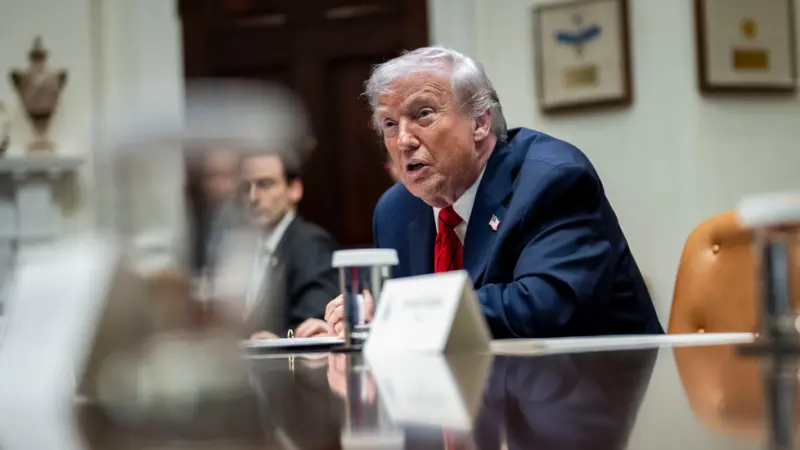
During previous diplomatic engagements, President Donald Trump has actively sought engagement with both China and Russia on various global fronts. However, discussions specifically concerning North Korea have occasionally been sidelined, as evidenced by reports like Trump Engages China, Russia; North Korea Talks Remain Off Agenda.
This trip by FM Cho aims to re-energize the conversation around North Korea and ensure it remains a high priority for key regional powers. South Korea views China not only as an indispensable economic partner but also as an influential player capable of exerting significant leverage over Pyongyang.
Discussions are expected to delve into the current state of inter-Korean relations and the broader security landscape of Northeast Asia. Seoul has consistently advocated for a peaceful resolution to the denuclearization issue, emphasizing that dialogue, rather than confrontation, offers the most viable path forward.
The timing of the visit is particularly poignant, as the international community watches for any signs of renewed diplomatic engagement with North Korea. Previous efforts, including high-profile summits involving President Trump, have yielded mixed results, highlighting the complexity of the challenge.
Observers will be closely monitoring any joint statements or commitments emerging from the Cho-Wang meeting. Concrete steps towards resuming a denuclearization framework could provide a much-needed impetus for a region grappling with persistent security concerns.
China's consistent stance has been to encourage both dialogue and de-escalation on the Korean Peninsula. Beijing's role as a mediator and an economic lifeline for North Korea makes its engagement indispensable for any successful diplomatic initiative.
Future prospects for a trilateral summit involving President Trump, President Xi, and President Putin in China have also been subjects of international speculation, with some previous reports indicating North Korea might not be on the primary agenda, as noted in articles such as Trump, Xi, Putin Summit in China: North Korea Off Agenda. This makes Seoul's direct lobbying effort in Beijing all the more critical.
Foreign Minister Cho's delegation is anticipated to engage in several rounds of talks over the coming days, aiming to lay the groundwork for a more coordinated and effective regional approach to peace and stability.