 Dodi Irawan
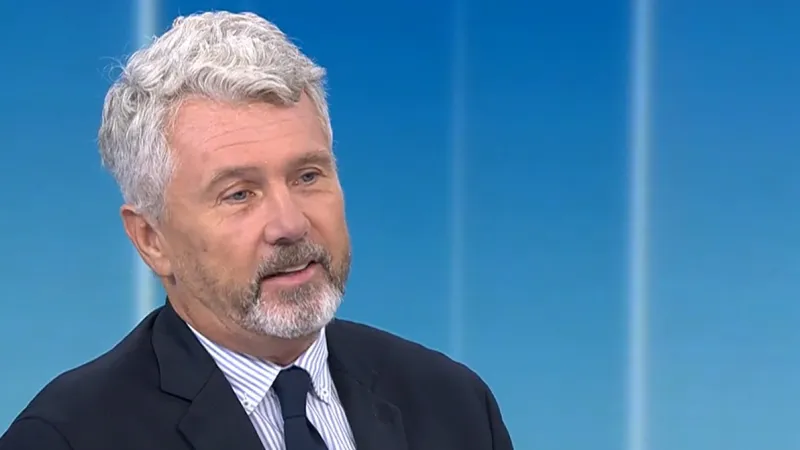
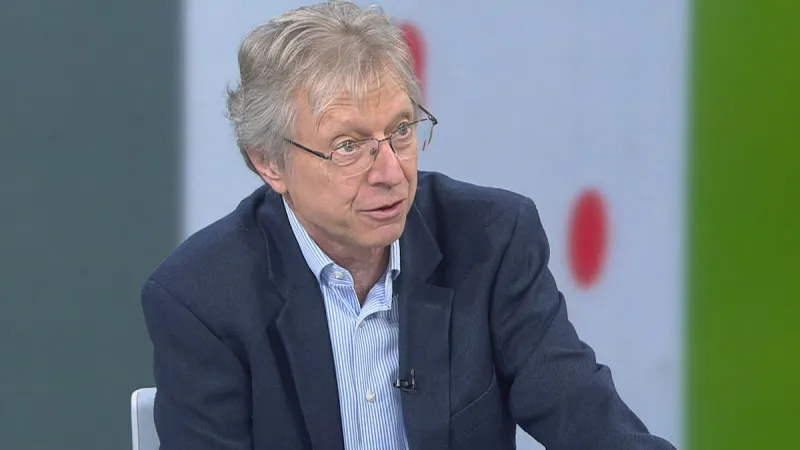
BERLIN – US journalist Erik Kirschbaum recently provided a sharp analysis of the current political climate in Germany, emphasizing that the stability of Friedrich Merz's leadership within the Christian Democratic Union (CDU) is paramount for both Germany and the broader European continent. Kirschbaum's insights, which also touched upon controversial expropriation plans in Berlin and Canada's strategic outreach to Europe, underscore a profound need for political tranquility across the region.
Kirschbaum articulated his perspective on the urgent necessity for calm, stating, "Germany needs calm. Europe needs calm. Europe needs a stable Germany." This sentiment highlights the interconnectedness of Germany's internal political dynamics with the geopolitical landscape of the entire continent, a theme resonating across international policy circles in 2026.
The focus on Friedrich Merz, currently facing scrutiny over his leadership of the CDU, stems from a series of electoral setbacks and internal party debates. Political observers note that Merz's ability to consolidate his position in the coming weeks will largely determine the trajectory of Germany's domestic political stability and, by extension, its role as a bedrock for European unity. Readers can find more on this at German CDU Debacle Tests Merz Leadership, Yet He Stands Firm.
The CDU, Germany's historically dominant center-right party, has contended with a deepening chancellor problem following recent electoral challenges, prompting discussions about its long-term direction. These internal struggles amplify the pressure on Merz to demonstrate decisive leadership and steer the party toward a clearer vision amidst a complex political environment. The challenges facing the party have been well-documented, as seen in CDU Chancellor Problem Deepens After Dual Election Failures.
Adding another layer to Germany's political ferment are the ongoing debates surrounding expropriation plans in Berlin. These proposals, largely driven by left-leaning factions within the capital's government, aim to address housing shortages and affordability by potentially nationalizing large housing complexes. The initiative has sparked fierce contention between proponents of socialized housing and property developers, creating significant economic and political uncertainty within the city. Further details on this housing battle are available at Berlin's Left Victory Ignites Fierce Housing Battle, Developers Warn.
Such radical policy considerations in a major European capital like Berlin invariably draw international attention, not only for their economic implications but also for their potential to set precedents. Kirschbaum's analysis frames these internal German discussions within a larger European context, where any sign of instability in its largest economy can send ripples across the continent.
The journalist also noted Canada's efforts to forge closer ties with Europe, an alignment that could bolster transatlantic relationships. While seemingly distinct from Germany's internal political struggles, Canada's diplomatic overtures underscore a global desire for stable partnerships and reliable leadership, particularly from key players like Germany, in a world marked by evolving geopolitical alignments.
Kirschbaum's assessment suggests a critical juncture for Merz and the CDU. If the party chairman can successfully navigate the immediate political headwinds, consolidate his authority, and articulate a coherent agenda, it could usher in a period of much-needed political calm. This calm, according to the analyst, is not merely a domestic requirement but a European imperative.
The implication is clear: a strong and stable Germany under resolute leadership is perceived as indispensable for the overall health and functionality of the European Union. This sentiment is echoed by many international observers who view Germany's economic strength and political reliability as cornerstones of continental stability. The CDU's performance, therefore, transcends national borders.
The challenges facing Merz are multifaceted, ranging from managing internal party dissent to responding effectively to public concerns over issues like housing and economic policy. The coming weeks will test his resolve and strategic acumen, determining whether he can indeed bring the desired calm to the German political landscape.
Support for Merz from within the party, though sometimes challenged, remains a crucial factor. Senior figures, such as CDU veteran Roland Koch, have previously lent their backing to Merz, emphasizing the importance of party unity during turbulent times. More on this support can be found at CDU Veteran Roland Koch Backs Merz Amidst Leadership Scrutiny.
However, the global scrutiny on the CDU after its recent electoral setbacks remains intense. International partners, including President Donald Trump's administration, closely watch German political developments, understanding their profound impact on transatlantic relations and global stability. The detailed analysis of this scrutiny is available at German CDU Faces Global Scrutiny After Double Election Debacle.
Ultimately, Kirschbaum's message serves as a reminder that domestic political stability, particularly in a nation of Germany's stature, has far-reaching consequences. The debates around Merz's leadership and Berlin's policy choices are not isolated events but integral components of a larger narrative concerning Europe's future.
The journalist's perspective reinforces the understanding that political leadership in Germany carries a weight far beyond its borders. The decisions made in Berlin and the outcomes of the CDU's internal power dynamics will undoubtedly influence the direction of European policy, economic confidence, and international cooperation for the foreseeable future.