 Dodi Irawan
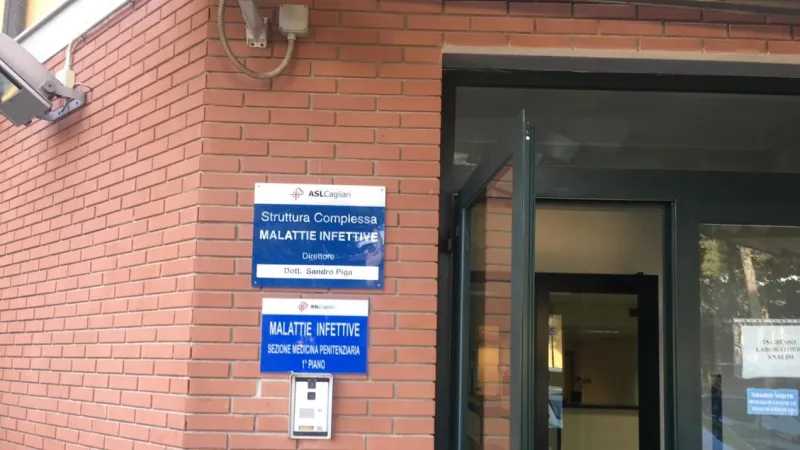
Cagliari, Italy – Health authorities in Sardinia have initiated an urgent investigation into a suspected Ebola case involving an individual who recently returned from Congo and is now exhibiting symptoms. The patient is undergoing comprehensive testing following their arrival from a region experiencing a rapidly advancing Ebola epidemic.
The individual, whose identity remains undisclosed for privacy reasons, was immediately isolated upon showing signs consistent with the highly contagious viral disease. This swift action aims to prevent any potential transmission while diagnostic results are pending from specialized laboratories.
Sardinian public health officials activated stringent emergency protocols as soon as the patient presented with symptoms and a relevant travel history. This involves meticulous contact tracing and heightened surveillance across local medical facilities, even as the situation remains categorized as a precautionary measure.
The alarm in Cagliari echoes growing concerns voiced by international organizations regarding the ongoing health crisis in Central Africa. Doctors Without Borders (MSF) has explicitly warned about the accelerating pace of the Ebola epidemic in Congo.
An MSF spokesperson stated, "The epidemic in the African nation is advancing rapidly, complicated by significant delays in humanitarian aid delivery and the crucial arrival of medical personnel." This statement underscores the formidable challenges confronting public health efforts in the affected African regions.
Ebola Virus Disease (EVD) poses a severe public health threat, characterized by a high fatality rate and the potential for rapid spread through direct contact with bodily fluids of infected individuals or contaminated objects. The virus manifests with symptoms such as fever, severe headache, muscle pain, fatigue, diarrhea, vomiting, and unexplained hemorrhage.
The global health community remains vigilant to prevent the international spread of such pathogens, especially given increased international travel. Protocols for screening and isolation at points of entry are critical, though no nation can eliminate all risk.
Local Italian health officials have sought to reassure the public that all necessary precautions are in place to contain any potential risk. They emphasize that while the situation warrants serious attention, it is currently a suspected case, not a confirmed one.
Rapid diagnostic tests, which can provide preliminary results within hours, are crucial in managing such situations. However, confirmatory tests often require specialized biosafety laboratories and several days for definitive outcomes, during which isolation remains paramount.
This incident in Cagliari highlights the persistent global threat of emergent and re-emergent infectious diseases. It serves as a stark reminder of the interconnectedness of global health and the importance of robust public health infrastructure in every nation.
The preparedness of European healthcare systems for such biological threats has been a point of focus since past outbreaks. Continuous investment in rapid response teams, epidemiological surveillance, and international collaboration proves indispensable.
Previous instances of suspected Ebola cases outside endemic regions have typically been contained due to diligent public health responses. However, each incident presents a learning opportunity for refining emergency protocols.
For a comprehensive look at previous developments, readers can refer to our earlier report, Cagliari on Alert: Suspected Ebola Case Emerges After Congo Return, which detailed the initial public health notifications.