Gabriella
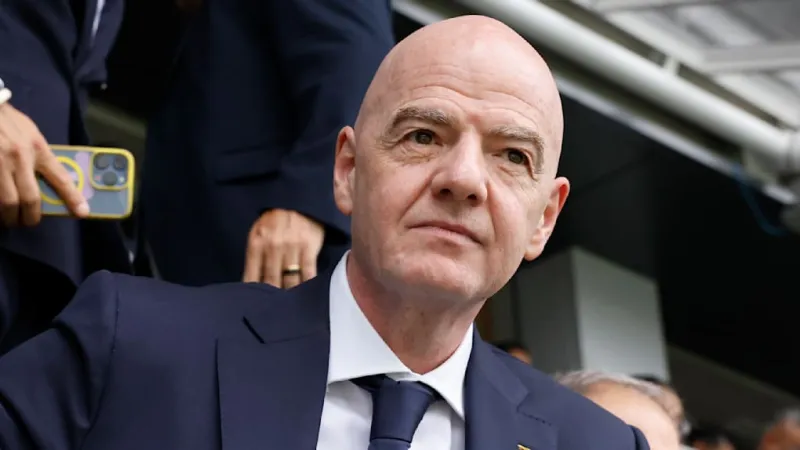
FIFA President Gianni Infantino has ignited a firestorm of criticism in Italy after reportedly making a jest about the nation's failure to qualify for the ongoing World Cup, a comment that has sparked widespread irritation and disappointment among Italian football enthusiasts and officials.
The remarks, delivered amidst the celebratory atmosphere surrounding the global football spectacle, quickly circulated, drawing ire from a nation deeply proud of its footballing heritage. Italy, a four-time World Cup champion, is notably absent from the tournament for the second consecutive time, a painful reality for its passionate supporters.
Italian media outlets and social media platforms are awash with reactions, ranging from dismay to outright anger, condemning Infantino's perceived insensitivity. Many view the comment as a disrespectful jab at a struggling footballing giant rather than lighthearted banter.
As the head of world football's governing body, Infantino's words carry significant weight and are often scrutinized for their diplomatic implications. His role demands a certain level of neutrality and respect for all member nations, even those facing sporting setbacks.
For Italian fans, the wound of missing the premier international tournament remains fresh. Infantino's comment serves as an unwelcome reminder, potentially dampening any residual goodwill they might have harbored towards the tournament despite their nation's absence.
Adding to the diverse narratives emerging from the World Cup's initial days, an unexpected viral sensation has captivated audiences: the referee of the opening match. His performance and demeanor on the pitch have become a significant talking point, overshadowing some of the on-field action.
Specific instances, such as a contentious decision or a memorable interaction with players, propelled the official into the global spotlight. Social media platforms buzzed with discussions, memes, and analyses of his officiating style, turning him into an instant internet phenomenon.
The incidents underscore the multifaceted nature of the World Cup experience, where drama unfolds not only through goals and saves but also through officiating decisions and off-field controversies. The tournament serves as a global stage for both athletic prowess and human drama.
Amidst these developments, teams continue their campaigns. Hosts USA Prepare for Crucial World Cup Group D Opener, marking their pivotal entry into Group D action. Similarly, other teams navigate their initial fixtures, such as when Canada, Bosnia Share Points in Tense World Cup Opener, setting the stage for competitive group play.
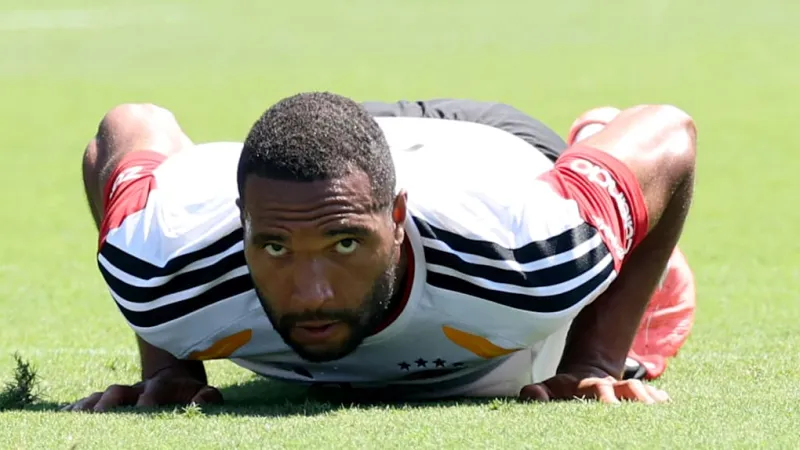
Beyond the pitch, preparations are intense. The German National Team Battles North Carolina Heat Ahead of World Cup Opener, highlighting the varied conditions teams must overcome to succeed. Such elements are integral to the World Cup narrative.
These incidents collectively fuel the ongoing World Cup ticker, providing a constant stream of news, analyses, and debates that keep fans engaged worldwide, even amidst controversial comments or unexpected viral moments.
The fallout from Infantino's comments may prompt a response from FIFA or the President himself, as the organization typically seeks to maintain harmonious relations with all football associations. The perceived slight could lead to calls for an apology or clarification.
For the Italian Football Federation, the incident adds another layer of disappointment to an already challenging period following their team's exclusion. Their focus remains on rebuilding and securing future qualifications, despite external provocations.
The controversy also sparks broader discussions on sportsmanship and the appropriateness of humor when addressing a nation's sporting misfortune, especially from a figurehead of global football.