 Chris Robert
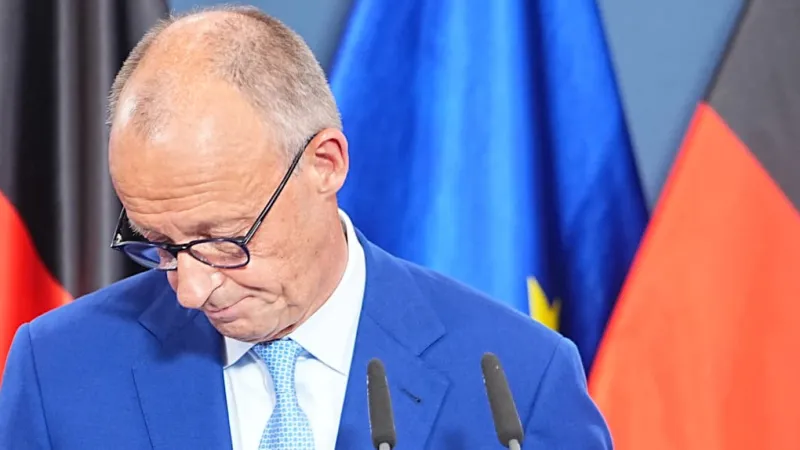
Germany's Christian Democratic Union (CDU) has drawn sharp international condemnation following its recent, widely described as humiliating, election losses in Berlin and Mecklenburg-Vorpommern, with leading media outlets globally characterizing the outcomes as a significant political turning point for the party. The defeats have prompted a wave of analytical pieces across European and international presses, spotlighting the challenges confronting Germany's conservative political landscape.
The immediate aftermath saw commentators from various nations offering pointed assessments. Observers in Switzerland, for example, deemed the results a further political caesura, suggesting a profound shift in the country's political trajectory. This sentiment underscores the perception that the CDU's struggles are not merely localized but indicative of broader systemic pressures.
Across the English Channel, British media outlets identified a somber symbolic power in the CDU's electoral performance. Their analysis frequently highlighted the potential ramifications for Germany's role within the European Union and the broader international stage, given the historical influence of the CDU in shaping national policy.
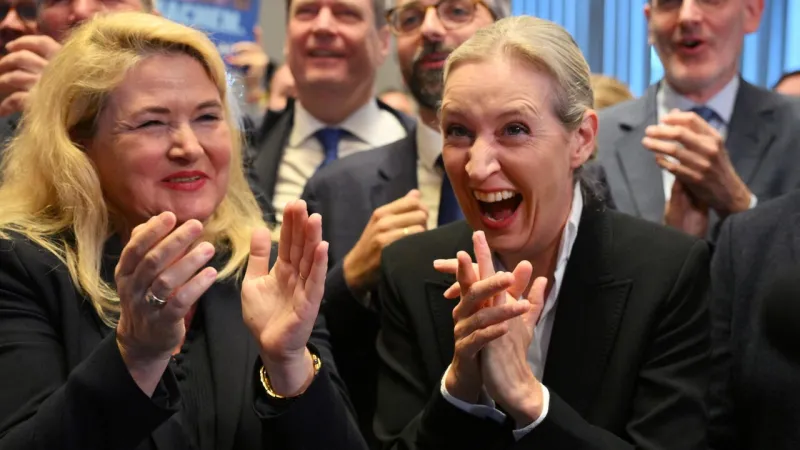
These electoral setbacks, particularly in the federal state of Mecklenburg-Vorpommern, saw the Social Democratic Party (SPD) achieve a victory, albeit one often muted by the concurrent surge of the far-right Alternative for Germany (AfD). The AfD's growing influence has become a focal point for international political analysts, many of whom are tracking the rise of populist movements across the continent. SPD Victory Muted by Far-Right Surge in Mecklenburg-Vorpommern
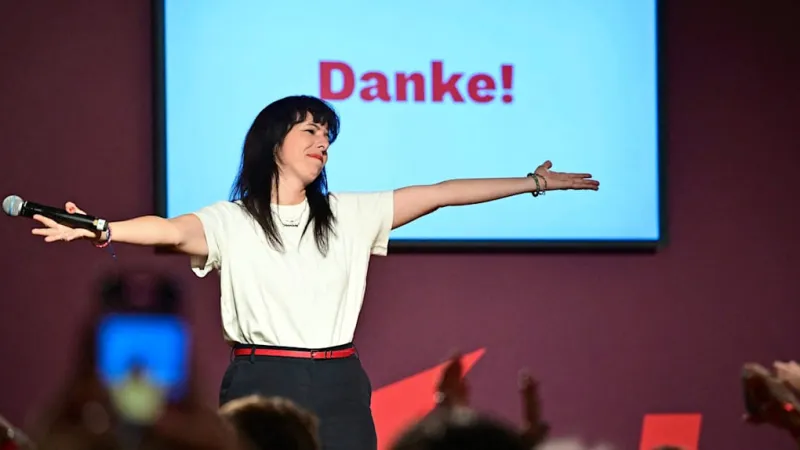
Concurrently, in the capital city of Berlin, the political landscape also shifted dramatically. The Left Party, led by figures such as Eralp, claimed the mayoralty, further complicating the CDU's narrative of national leadership. This dual setback has intensified internal party discussions regarding strategy and leadership. Berlin's Left Triumphs: Eralp Faces Internal Divides, Policy Hurdles
The international press frequently contrasts the CDU's current predicament with its decades-long dominance in German politics. Many articles reflect on the party's struggle to adapt to an evolving electorate and address contemporary issues ranging from economic stability to social policy reform.
Domestically, the results have ignited intense debate within the CDU. Reports indicate a party grappling with internal divisions and a search for a coherent path forward. Chancellor Merz, the head of the party, has maintained a defiant stance post-election, signaling his intent to navigate these challenging waters. Chancellor Merz to Deliver Post-Election Statement Amid Surge in Turnout
Political commentators worldwide observe that the rise of the AfD in regional elections, as evidenced in Mecklenburg-Vorpommern, represents a broader challenge to established centrist parties in Germany. This trend echoes similar patterns seen in other European nations, where traditional political blocs face increasing fragmentation.
The defeats in both state elections have prompted a critical re-evaluation of the CDU's campaign strategies. Analysts like Peters have suggested that a perceived disconnect with voters in Berlin contributed significantly to the party's poor showing in the capital. Peters: Berlin's Cold Shoulder Doomed CDU State Election Campaign
International media platforms continue to monitor Germany's political shifts closely, understanding that a strong and stable Germany is crucial for European stability. The CDU's performance in these regional contests is viewed not just as a domestic issue but as a barometer for the health of democratic institutions in a key European power.
The focus now turns to how the CDU will respond to this double defeat. Experts suggest that a period of introspection and potential strategic recalibration is inevitable. The party's ability to unite its factions and articulate a compelling vision for Germany's future will be paramount in regaining public trust and international standing.
Beyond the immediate electoral fallout, the international community watches for any shifts in Germany's foreign policy or European engagements, traditionally influenced by the CDU's platform. While a direct change is not expected instantly, the party's weakened position could open avenues for new political alignments and policy priorities.