 Chris Robert
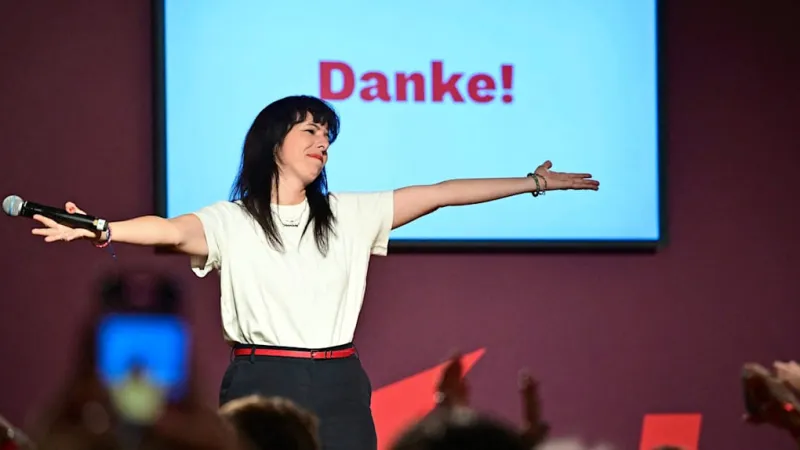
Berlin witnessed a political earthquake as Elif Eralp clinched a historic victory for the Left Party, positioning her to become the citys Governing Mayor and pursue radical reforms, including the expropriation of real estate corporations. This triumph, however, comes shadowed by significant internal challenges, as factions within her party holding anti-Israel views threaten to derail her ambitious governance agenda.
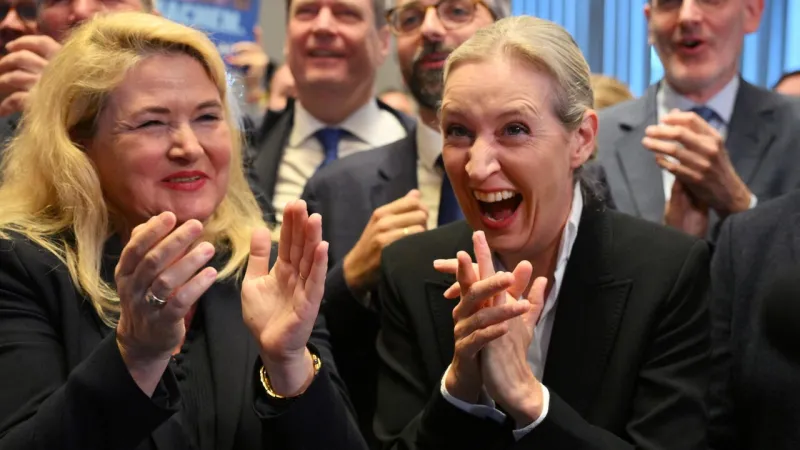
Eralps ascension marks a pivotal moment for the Left Party, traditionally a minor player in Germanys federal landscape but with a consistent presence in local politics. Her win in the capital, a stronghold often contested by centrist parties, ignites a fresh wave of euphoria among party members who view it as a mandate for their progressive policies.
Central to Eralps campaign was the controversial pledge to expropriate large real estate companies, a move designed to combat spiraling housing costs and address the acute housing shortage plaguing Berlin. Proponents argue this radical measure is necessary to ensure affordable living for all residents, while critics warn of severe economic repercussions and protracted legal battles.
Yet, the path to implementing such transformative policies is far from clear. The Left Partys internal dynamics present a formidable obstacle. Reports indicate a persistent strain of anti-Israel sentiment among certain members and regional chapters, a stance that deeply divides the party and risks alienating potential coalition partners.
This internal ideological friction could significantly impede Eralps ability to form a stable governing coalition or effectively pass legislation. Her victory, while unifying in its electoral success, unearths deeper schisms that demand immediate resolution if her administration is to succeed.
This victory comes after a period of significant political flux in Berlin. The previous CDU-SPD coalition had recently fallen, and the political landscape has seen shifts, with the far-right AfD gaining traction in other regions, though Eralps win represents a counter-narrative for the progressive left. Reports such as Berlin Shifts Left: CDU-SPD Coalition Falls, Far-Right AfD Gains previously detailed the evolving political landscape.
While Eralp has not publicly commented extensively on these specific internal dissenters since her win, her campaign emphasized unity and a clear focus on socioeconomic justice. Observers are keenly watching how she navigates these complex intra-party challenges while attempting to govern a major European capital.
Governing Berlin requires delicate balancing acts, not only within her party but also with other political forces. Any attempt at radical policy shifts like expropriation will undoubtedly face strong opposition from business groups, property owners, and rival political parties.
The success of the Left Partys platform in Berlin could serve as a blueprint or a cautionary tale for similar movements across Germany and Europe. It raises questions about the viability of ambitious socialist policies within a modern democratic framework.
The coming months will test Eralps leadership and the Left Partys cohesion. Whether the euphoria of a historic victory can overcome deep-seated ideological divisions and translate into effective governance remains the central question facing Berlins new political order.
The political climate in Berlin has been tumultuous, as evidenced by recent shifts in power and the strong performances of various parties. The previous electoral cycles saw a CDU debacle according to some analysts, providing an opening for other political forces to gain ground, as detailed in reports like AfD Rises in Mecklenburg-Vorpommern, Left Claims Berlin Amidst CDU Debacle.
The concept of expropriating housing corporations, while radical, has precedents in public debate and even localized campaigns in Berlin. It targets companies with large portfolios, aiming to transfer them into public ownership or cooperative models to cap rents and ensure housing stability. This is a core tenet that resonated with voters grappling with housing unaffordability.
The presence of anti-Israel elements within the Left Party has been a persistent source of controversy, drawing criticism from other political spectrums and often complicating coalition talks. These factions sometimes voice positions that are widely perceived as antisemitic, creating a significant public relations challenge for the party as a whole.
For Elif Eralp to successfully govern, she will likely need coalition partners. Many potential allies, especially from the Green Party or the Social Democrats, have strong stances against antisemitism and could be hesitant to align with a party perceived to tolerate such views within its ranks. This adds another layer of complexity to her governing prospects.
Nationally, the Left Party has struggled to maintain its influence, often facing an uphill battle against larger centrist and conservative parties. This Berlin victory, therefore, represents a crucial opportunity for the party to demonstrate its capacity for governance and potentially revive its broader appeal, provided it can resolve its internal contradictions.
Chancellor Merz and other leaders from opposing parties have likely been critical of the Left Partys radical proposals and internal issues. Their reactions to Eralps win will shape the broader political discourse surrounding Berlins new administration, especially given Chancellor Merzs planned post-election statement amid high turnout.
Eralps task is monumental: to deliver on her mandate for social justice and affordable housing while simultaneously asserting control over a fractured party and forging alliances in a competitive political environment. Her success hinges on her ability to navigate these treacherous waters.
The eyes of Germany, and indeed Europe, will be fixed on Berlin as Elif Eralp embarks on her term. Her administration could either usher in a new era of progressive urban policy or become mired in the very internal conflicts that have historically plagued the Left Party.