 Angela Stefani
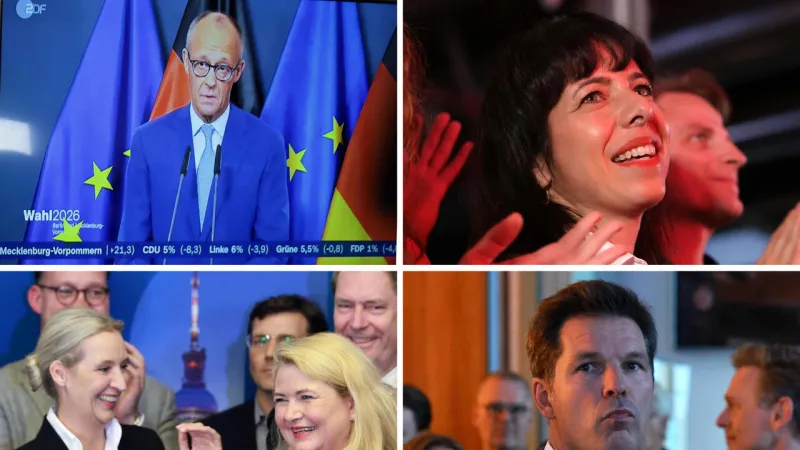
BERLIN and SCHWERIN, Germany The Alternative for Germany (AfD) significantly strengthened its electoral position in Mecklenburg-Vorpommern, while The Left party secured a notable victory in the capital city of Berlin. These outcomes represent a historic defeat for the Christian Democratic Union (CDU), which, for the first time, failed to enter a state parliament, intensifying pressure on its leader, Friedrich Merz.
The latest regional elections have unequivocally reshaped the political landscape in eastern Germany, signaling a marked shift in voter sentiment. The AfD's performance in Mecklenburg-Vorpommern underscores a growing appeal for far-right policies in parts of the nation.
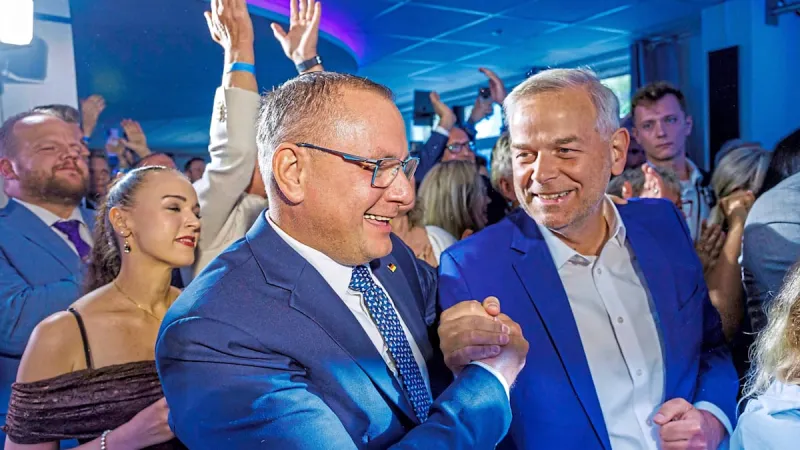
In the state parliamentary elections for Mecklenburg-Vorpommern, the AfD emerged as a dominant force, exceeding many pre-election forecasts. This success further solidifies the party's assertion that it represents a potent and growing political power across the country.
Alice Weidel, co-leader of the AfD, wasted no time in commenting on the results, particularly targeting the CDU's leadership. "Merz must draw the consequences," Weidel declared, asserting, "We are now the strongest party in the country." Her statement amplified the pressure on the beleaguered CDU, reflecting sentiments captured in discussions such as AfD Declares Itself Central Force, CDU Faces Self-Inflicted Crisis.
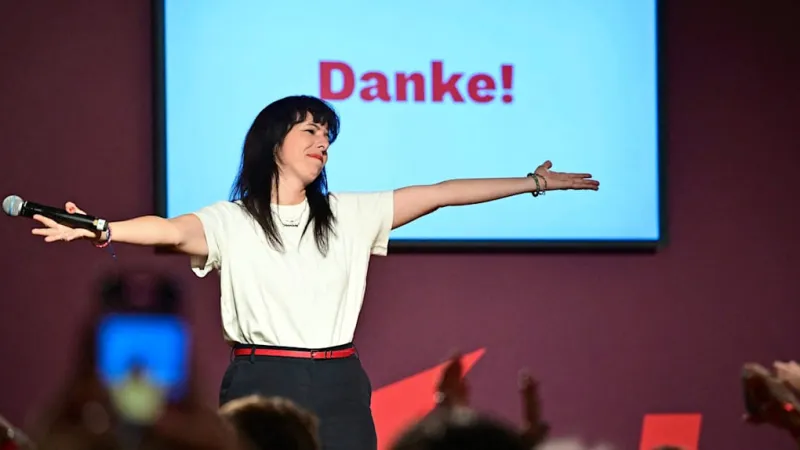
Simultaneously, the political dynamic in Berlin saw a triumph for The Left party. Elif Eralp, a prominent figure within the party, successfully captured the capital, marking a significant win that diverges sharply from the trends observed in Mecklenburg-Vorpommern.
Eralp's victory in Berlin is a critical moment for The Left, demonstrating its continued relevance and ability to mobilize support in major urban centers. This success offers a counter-narrative to the broader surge of the far-right in other regions.
The most striking revelation of these elections remains the unprecedented downfall of the CDU. Its failure to secure any seats in a state parliament is a deeply embarrassing milestone for the party, historically one of Germany's most dominant political forces.
This debacle has triggered an intense period of introspection within the CDU. Analysts suggest the party's struggle to connect with voters, particularly in eastern German states, contributed significantly to its poor showing.
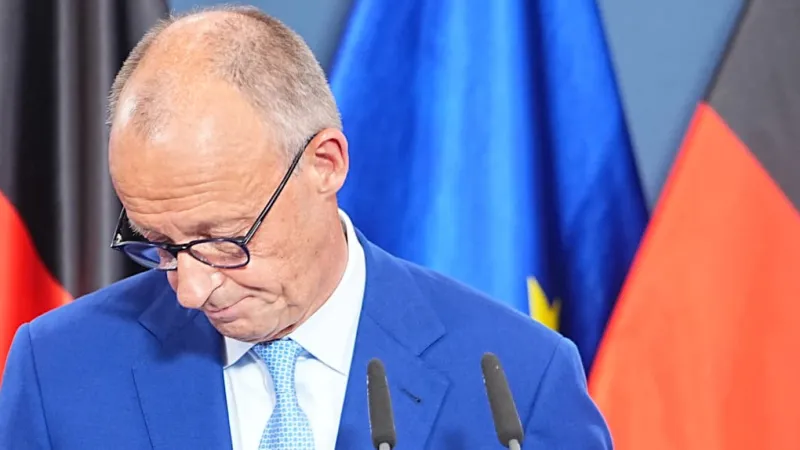
Despite the severe setbacks and the direct challenges from rivals like Weidel, Friedrich Merz, the CDU leader, has indicated no intention of stepping down. Merz remains defiant, signaling his commitment to navigating the party through this crisis, a stance echoed in discussions surrounding his post-election statements.
Critics, however, argue that Merz's resolute posture may be perceived as being out of touch with the public's clear message. The "Left Party Leader Blasts Merz's Post-Election Stance As Out of Touch," as reported by other outlets, highlights the immediate pushback from other political camps and can be further explored in Left Party Leader Blasts Merz's Post-Election Stance As Out of Touch.
The results underscore a fragmented electorate and a growing polarization within German politics. While the AfD capitalizes on disaffection, The Left maintains its stronghold in specific regions, creating a complex governance challenge.
Political commentators are now closely scrutinizing the future direction of the CDU under Merz. His ability to rally the party and devise a credible strategy for upcoming federal elections will be paramount.
These electoral outcomes inevitably prompt comparisons with previous polls where the AfD has also shown strength. The consistency of their gains suggests a deeper, structural shift in German political alignment rather than an solely isolated event.
The triumph for Elif Eralp in Berlin, extensively covered in articles such as Left Party's Eralp Claims Berlin Mayoralty, Declares Victory for Justice, highlights the city's distinct political character, often leaning further left than the national average.
Furthermore, the CDU's internal challenges are not new. Reports like Peters: Berlin's Cold Shoulder Doomed CDU State Election Campaign previously pointed to strategic missteps and a perceived disconnect with the capital's voters.
The broader implications for Germany's federal government are yet to fully unfold. The rise of extremist and protest parties often necessitates intricate coalition negotiations, complicating the path to stable governance.
As the dust settles, all eyes will be on Merz's next moves. His anticipated post-election statement, details of which were discussed in Chancellor Merz to Deliver Post-Election Statement Amid Surge in Turnout, is expected to outline his vision for the party's recovery.
The political upheaval signifies a moment of significant recalibration for Germany. Parties across the spectrum must adapt to an evolving voter base and the challenges posed by new political realities.
This shift demands a re-evaluation of campaign strategies and a deeper understanding of the economic and social anxieties driving voters towards alternative political choices.
The recent elections confirm that the German political landscape is undergoing a profound transformation, with established norms being challenged by emergent forces from both the far-right and the left.