Gabriella
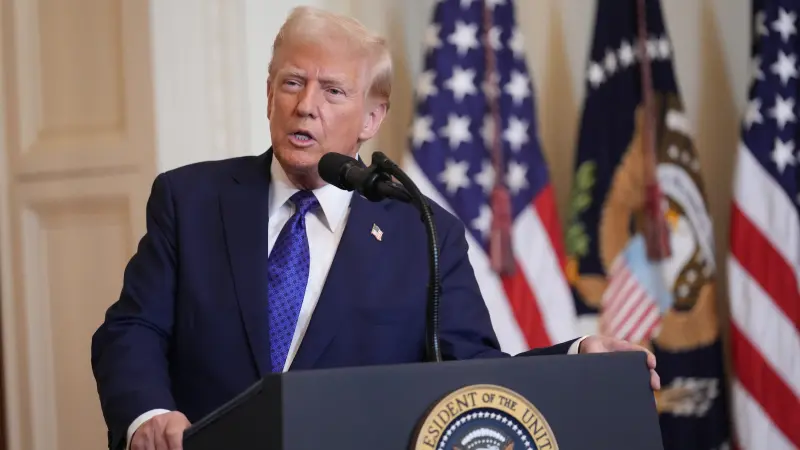
WASHINGTON — President Donald Trump today declared his intention to impose a 25 percent tariff on automobiles imported from the European Union, a move poised to ignite significant retaliatory measures and reshape transatlantic trade relations.
The announcement, made during a policy address, underscored his administration's unwavering commitment to renegotiating global trade agreements and bolstering American manufacturing. This potential tariff hike on EU cars reflects a long-standing position of President Trump regarding perceived unfair trade practices.
Brussels officials were quick to express concern, hinting at a robust and coordinated response should the tariffs be enacted. European Commission spokespersons indicated that such a measure would be viewed as a direct challenge to international trade norms and could prompt reciprocal tariffs on American goods.
Economists and trade analysts across continents are scrutinizing the potential ramifications. A 25 percent tariff on EU cars could lead to higher prices for consumers in the United States, limited choices, and could also disrupt the complex global supply chains that underpin the automotive industry.
President Trump has consistently argued that existing trade imbalances disadvantage American workers and industries. The proposed tariffs on EU cars are presented as a strategic lever to force European nations to concede to more favorable terms for American exports, particularly in agricultural products and technology.
This is not the first time President Trump has floated or implemented significant tariffs. His previous administration saw similar actions against various countries, leading to periods of heightened trade tensions and negotiations that often concluded with revised agreements.
The White House maintains that these protectionist measures are vital for national economic security and the revitalization of domestic industries. They argue that foreign markets often impose non-tariff barriers and regulations that effectively prevent American products from competing fairly.
However, American automakers with significant operations in Europe, or those reliant on European components, may face increased costs. While the direct aim is to protect American jobs, some industry groups worry about potential blowback that could hurt their international competitiveness.
Political observers suggest the timing of this announcement, midway through President Trumps second term, is strategic. It signals continued adherence to an America First economic agenda, potentially leveraging trade policy as a key issue in upcoming midterm elections and future policy debates.
Several European leaders, speaking anonymously due to the sensitivity of ongoing diplomatic channels, voiced disappointment. They emphasized the importance of a strong transatlantic alliance and warned that trade disputes could undermine broader cooperation on critical global issues, from security to climate change.
The World Trade Organization is likely to be a central forum for potential disputes arising from these tariffs. Member states often challenge such measures, leading to lengthy arbitration processes that may or may not resolve the underlying trade disagreements.
Consumers, particularly those loyal to European brands, could see substantial price increases on new vehicles. This could shift purchasing patterns towards domestically produced cars or models from other regions not subject to the increased duties.
The administration plans to engage in a period of consultation before finalizing any tariff decisions, though President Trump often signals a firm stance early in such processes. The exact timeline for implementation remains fluid, pending further discussions and potential legislative challenges.
While the prospect of a trade war involving EU cars looms, some analysts believe this could also be a negotiating tactic designed to bring European officials to the table for broader trade talks. The effectiveness of such a strategy will depend heavily on the willingness of both sides to compromise.
The implications for the global economy extend beyond just the automotive sector, as other industries could be drawn into a wider tariff battle. The ripple effect on investment, employment, and economic growth is a significant concern for international financial institutions and policymakers.