 Debby Wijaya

Mecklenburg-Vorpommern witnessed a profound political shift in its recent state election, as the far-right Alternative for Germany (AfD) registered significant gains, notably mobilizing an estimated 67,000 former non-voters. This electoral surge coincided with a precipitous decline for the Christian Democratic Union (CDU), which saw its support plummet to a mere 4.9 percent, leading to its unprecedented exclusion from the state parliament.
This outcome sends stark ripples through the German political establishment, underscoring a growing disillusionment among a segment of the electorate. The AfD's success in drawing such a substantial number of previously disengaged citizens to the polls highlights an effective, if controversial, outreach strategy that bypassed traditional party allegiances.
Analysts are now closely examining the factors contributing to this substantial mobilization. The AfD has consistently presented itself as an anti-establishment voice, capitalizing on anxieties related to economic stability, immigration policies, and the perceived failures of mainstream parties. This narrative appears to have resonated deeply with voters who felt unheard or overlooked by established political forces.
The collapse of the CDU in Mecklenburg-Vorpommern marks a significant low point for the party, which has historically been a dominant force in German politics. Its failure to secure the 5 percent threshold necessary to enter the state parliament reflects a broader trend of dwindling support in various regional elections. This local debacle adds further pressure to a party already facing scrutiny, as detailed in reports like German CDU Faces Global Scrutiny After Double Election Debacle.
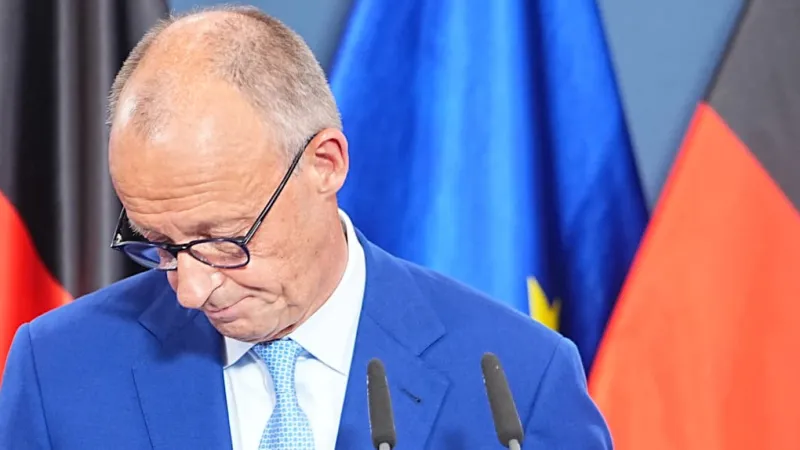
Nationally, this result will undoubtedly intensify calls for introspection within the CDU, particularly concerning the leadership of Chancellor Merz. The party has struggled to define a clear identity in the face of shifting voter priorities, and regional setbacks like this complicate its efforts to regain ground. The broader context of Germany's political landscape, where the AfD continues to challenge established norms, was recently captured in the article AfD Surges in Mecklenburg, Left Captures Berlin As Chancellor Merz Defiant.
This outcome in Mecklenburg-Vorpommern parallels, in some ways, the political shifts observed in other German states. For instance, recent elections in the capital city also saw significant reconfigurations, with the left making gains and the AfD increasing its presence, as discussed in Berlin Shifts Left: CDU-SPD Coalition Falls, Far-Right AfD Gains. Such patterns suggest a wider national trend of electoral volatility.
The AfD's leadership has been quick to interpret these results as a vindication of their political agenda and a signal of their growing influence. The party has consistently aimed to position itself as a central, rather than fringe, force in German democracy, a narrative reinforced by reports such as AfD Declares Itself Central Force, CDU Faces Self-Inflicted Crisis.
The Social Democratic Party (SPD), while potentially celebrating a nominal victory in some areas, finds its successes overshadowed by the far-right's expansion. The overall picture, as noted in analyses like SPD Victory Muted by Far-Right Surge in Mecklenburg-Vorpommern, indicates a fracturing of the traditional center-left and center-right blocs.
The implications for coalition formation within Mecklenburg-Vorpommern are considerable. The exclusion of the CDU from the state parliament removes a traditional partner from the negotiating table, potentially forcing more complex and ideologically diverse alliances to govern the region. This could lead to a period of heightened political instability at the state level.
The ability of the AfD to tap into the well of non-voters signifies a critical challenge for all established parties. These are citizens who, for various reasons, have disengaged from the democratic process but can be re-mobilized by narratives that resonate with their grievances. Understanding and addressing this segment of the population will be paramount for future electoral success.
Looking ahead, the results from Mecklenburg-Vorpommern will undoubtedly fuel debates within the CDU about its future direction, its appeal to younger generations, and its ability to connect with voters beyond its traditional base. The urgency for strategic realignment is palpable.
For the AfD, this triumph provides further momentum and reinforces its strategy of targeting regions where voter frustration is high. The party's consistent gains in eastern Germany continue to demonstrate its regional stronghold and expand its national footprint.
The shifting political landscape in Germany, characterized by the rise of populist movements and the decline of traditional parties, demands a rigorous re-evaluation of established political paradigms. The Mecklenburg-Vorpommern election serves as a potent reminder of these ongoing transformations.