Gabriella
German Green Party politicians are spearheading a significant policy recalibration, unveiling a new manifest designed to strengthen modern masculinity. This strategic pivot signals a conscious effort to distance the party from the perception that all men are inherently toxic, a narrative that observers suggest may have alienated a crucial demographic: young, white male voters.
The announcement, emerging from within the Green Party's ranks, represents a notable shift from its long-standing emphasis on deconstructing traditional gender roles. The party, known for its progressive social agenda, now seeks to engage more inclusively with a segment of the electorate that has historically proven challenging to win over.
This reevaluation is driven by a clear electoral objective: to broaden the party's appeal and secure new voter bases. Political strategists recognize the increasing fragmentation of the electorate and the imperative for parties to adapt their messages to resonate with diverse groups.
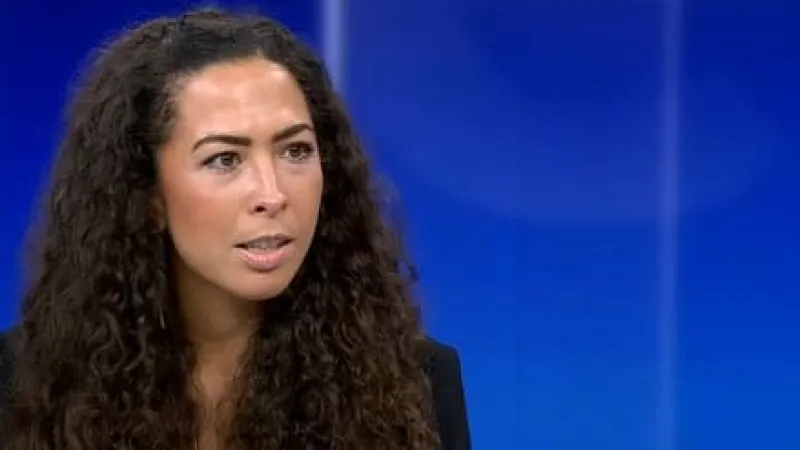
WELT-Chefreporterin Anna Schneider weighed in on the development, observing, “One can change one’s mind; perhaps the Greens can too.” Her comment underscores the widespread acknowledgment of the party’s potential for ideological evolution and its capacity to respond to changing political currents.
The manifest, while not yet fully detailed in public discourse, reportedly focuses on positive attributes of modern masculinity. This could encompass promoting engaged fatherhood, championing environmental stewardship through male role models, or fostering emotional intelligence and resilience within male identities, moving beyond narrow, outdated stereotypes.
Historically, the Green Party has often been perceived, rightly or wrongly, as critical of traditional male identities, leading to a sometimes strained relationship with conservative segments of the population. This new direction aims to bridge that divide by offering a more affirming and constructive vision for men in contemporary society.
The move arrives at a crucial juncture in German politics, where established parties are grappling with shifting voter loyalties and the rise of alternative political movements. The ability to connect with diverse demographics, including those who feel overlooked by current political discourse, is paramount for electoral success.
Young, white men represent a significant and often contested demographic. Political parties across the spectrum are vying for their support, and the Greens' conscious outreach suggests a recognition that previous approaches may have inadvertently pushed these voters towards other political options.
The strategy, however, is not without potential pitfalls. Some within the party's traditional base, who advocate for more radical feminist critiques of patriarchy, might view this as a concession or a dilution of core principles. The Greens will need to carefully navigate these internal tensions.
Furthermore, external critics might question the sincerity of the shift, viewing it as a calculated electoral maneuver rather than a genuine ideological evolution. The party's challenge will be to demonstrate the authenticity of its new stance through concrete policies and sustained messaging.
This strategic adjustment by the German Greens mirrors a broader trend in European politics, where parties are increasingly refining their narratives to appeal to a wider range of voters, particularly in an era of heightened political polarization and identity-focused debates.
Ultimately, the success of this new direction will depend on its implementation and how effectively the Green Party can articulate a vision of modern masculinity that is both inclusive and consistent with its overarching values. The coming electoral cycles will reveal whether this bold repositioning translates into tangible gains among the targeted demographic, reshaping the future of German politics.