 Chris Robert

The Left Party has clinched a decisive victory in the recent election for the Berlin House of Representatives, fundamentally altering the citys political power structure. This outcome sees the incumbent coalition of the Christian Democratic Union (CDU) and the Social Democratic Party (SPD) lose its governing majority, while the far-right Alternative for Germany (AfD) registered significant gains.
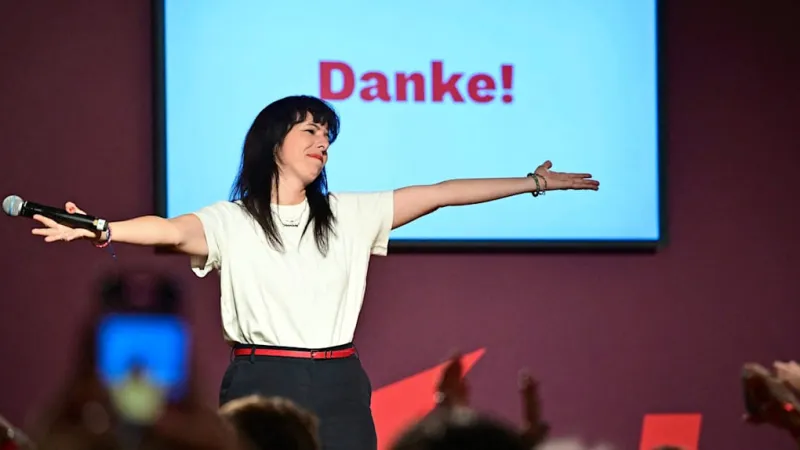
Die Linke, known for its progressive social policies and advocacy for affordable housing, emerged as the undeniable frontrunner. The party successfully mobilized its base and attracted voters disillusioned with the establishment, securing a mandate that positions it to lead future coalition discussions.
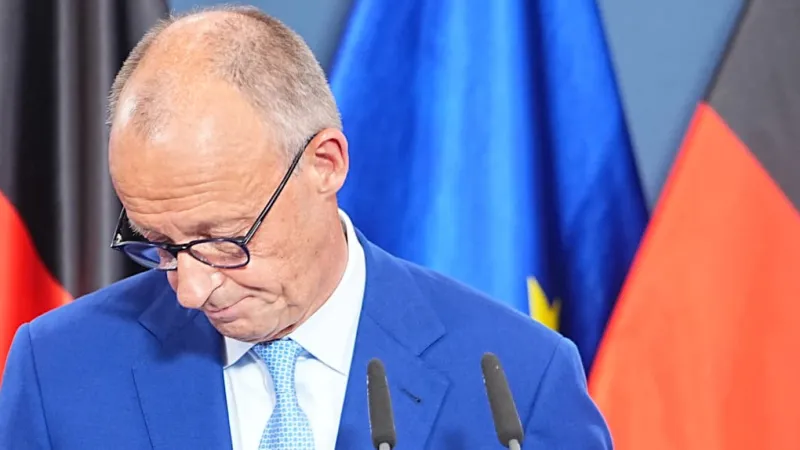
The erosion of support for the traditional centrist parties marks a pivotal moment in Berlin politics. The CDU and SPD, which had governed the capital in a grand coalition, faced a collective rebuke from the electorate, signaling widespread dissatisfaction with their joint performance. This defeat necessitates a profound reevaluation of their strategies and leadership.
Concurrently, the AfD cemented its presence, recording an increase in its share of the vote. This surge reflects a broader national trend of growing support for populist and nationalist parties, challenging the mainstream political discourse not just in Berlin but across Germany. Their gains come amidst ongoing debates about immigration, economic stability, and social cohesion.
The results of the Berlin election usher in a period of intense political negotiations. With the previous coalition dissolved, various parties will now vie to form a new governing alliance. The Left Party's triumph positions it as the primary architect of the next administration, but the path to a stable majority remains complex.
Berlin, a city with a historically diverse and often politically dynamic electorate, has frequently served as a microcosm for broader German political shifts. This election follows a period of increasing societal pressures, including rising housing costs and infrastructure challenges, which have likely influenced voter sentiment.
Dr. Anja Schmidt, a political scientist at Humboldt University, observed that the outcome signaled voters desire for a tangible shift in urban policy, particularly concerning housing and social equity. This reflects a broader trend of dissatisfaction with centrist parties, a sentiment also echoed by commentators like Peters, who attributed the CDU's campaign woes to a perceived lack of connection with Berliners, as detailed in reports such as Peters: Berlin's Cold Shoulder Doomed CDU State Election Campaign.
Forming a new government will require intricate discussions between the Left Party and potential partners such as the Greens or even a reformed SPD. Ideological differences and past political tensions could complicate these negotiations, demanding compromise from all sides to establish a functional administration for Berlin.
Beyond Berlin, the election results send ripples throughout German national politics. The strong showing by Die Linke and the AfD, coupled with the weakening of the CDU and SPD, may influence strategies for upcoming federal elections and challenge the dominance of traditional parties on the national stage. Notably, Chancellor Merz recently addressed similar political shifts in other regional contests, as seen in the article AfD Surges in Mecklenburg, Left Captures Berlin As Chancellor Merz Defiant.
The coming weeks will be crucial for Berlin as political leaders navigate the aftermath of this significant electoral upset. The city anticipates a new era of governance, yet the precise shape and policy direction of the next administration are still subject to intense political maneuvering.
The implications of this particular Berlin election extend beyond mere numerical shifts. They reflect deep-seated frustrations and aspirations within the populace, particularly concerning social equity and urban development.
This outcome aligns with observations in other German states, where established parties have grappled with diminished majorities and the rise of alternative political forces. The article AfD Rises in Mecklenburg-Vorpommern, Left Claims Berlin Amidst CDU Debacle offers further context on this broader trend.
While the Left Party celebrates its victory, it faces the immediate challenge of translating electoral success into effective governance. Addressing Berlin's complex urban issues, from public transport to housing shortages, will test the party's capacity for pragmatic policymaking and coalition leadership.
For the CDU and SPD, the results demand introspection. Both parties must analyze why their traditional voter bases have eroded and how to regain trust in an increasingly fragmented political landscape. Their inability to retain the Berlin majority underscores a pressing need for renewal.
The AfD's continued growth, even if not leading to a direct governing role in Berlin, signals a shift in the overall political Overton window. Their ability to attract voters highlights persistent discontent with mainstream policies and raises questions about future political alignments in Germany.
Internationally, observers will monitor how this Berlin election outcome influences Germany's stability and its role within the European Union. A politically diverse and shifting Germany can have significant repercussions for European policy and cohesion.