 Chris Robert
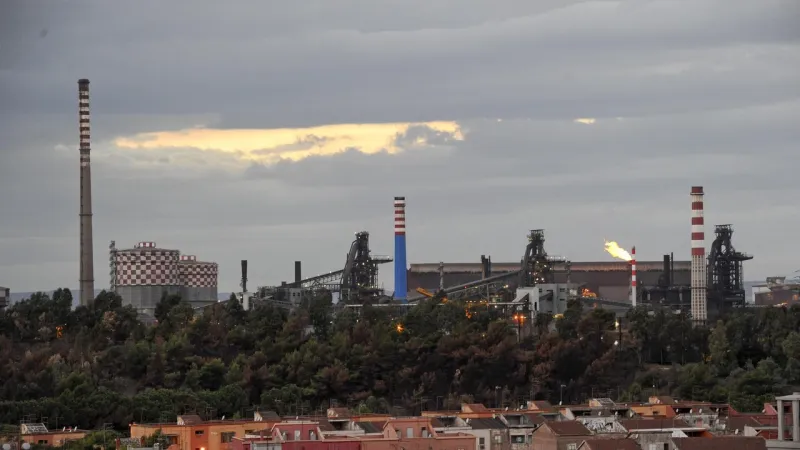
Taranto, Italy – The embattled Acciaierie d'Italia, formerly known as Ilva, is set to receive an additional 100 million euros for its extraordinary administration, Finance Minister Giancarlo Giorgetti announced, even as a significant court ruling mandates the shutdown of the plant's critical hot production area within 90 days following a successful appeal by local citizens.
Minister Giorgetti acknowledged the profound implications of the judicial decision, stating, "Sentences are sentences, but this is a fact that overturns everything." His remarks underscore the challenging equilibrium the government navigates between legal mandates, environmental protection, and industrial preservation at one of Europe's largest steelworks.
The court's decision, which sided with a reclamation filed by residents, directly targets the operational core of the Taranto facility. The hot area typically encompasses blast furnaces and coke ovens, essential for primary steel production. Its closure represents a fundamental restructuring of the plant's manufacturing capabilities.
This judicial intervention arrives amidst ongoing financial difficulties for Acciaierie d'Italia. The 100 million euro allocation from the government is intended to support the extraordinary administration currently overseeing the company's complex restructuring efforts.
The former Ilva plant has been a focal point of environmental and health controversies for decades. Situated in Taranto, a city in southern Italy, it has faced numerous legal battles over pollution and its alleged links to high rates of respiratory illnesses and cancer among the local populace.
For years, environmental advocacy groups and local communities have campaigned vigorously for stricter controls and the eventual decarbonization or closure of the most polluting sections of the plant. This latest court ruling marks a significant victory for their sustained efforts.
The government's commitment of an additional 100 million euros reflects its determination to maintain industrial operations and safeguard jobs, despite the formidable obstacles. The funds are earmarked to facilitate the transition and manage the immediate aftermath of the hot area shutdown, ensuring continuity where possible.
Extraordinary administration is a legal framework applied to large insolvent companies deemed strategically important for the national economy. It aims to restructure the business, preserve employment, and manage liabilities under court supervision, often with substantial state backing.
However, the mandated closure of the hot area raises serious questions about the long-term economic viability of Acciaierie d'Italia. Experts speculate on the feasibility of maintaining competitive production levels without these core processes, potentially forcing a reevaluation of the plant's entire operational model.
The steel plant employs thousands directly and indirectly, and its future is intrinsically linked to the economic stability of the entire region. Unions have consistently voiced concerns over job security, advocating for solutions that protect workers while addressing environmental imperatives.
This development underscores a broader challenge for Italy: how to reconcile the demands of industrial production and employment with pressing environmental and public health concerns. It highlights the often-conflicting objectives faced by policymakers in managing legacy industries.
The extraordinary commissioners now face the daunting task of implementing the court's order within the 90-day timeframe, a period that will require rapid strategic adjustments. This will likely involve assessing alternative production methods or sourcing semi-finished products from elsewhere.
Furthermore, the decision sets a potential precedent for other industrial sites across Italy and Europe, signaling a tightening judicial stance on environmental compliance and corporate accountability, especially in regions with a history of industrial pollution.
While the immediate focus remains on the Acciaierie d'Italia's compliance and the allocation of funds, the long-term vision for the Taranto plant is now more uncertain than ever. The ruling forces a reckoning with its past and demands innovative solutions for a sustainable future.
The ongoing saga of the former Ilva plant continues to test Italy's resolve in transforming its industrial landscape to meet modern environmental standards while striving to protect its economic and social fabric.