 Edward DP Situmorang
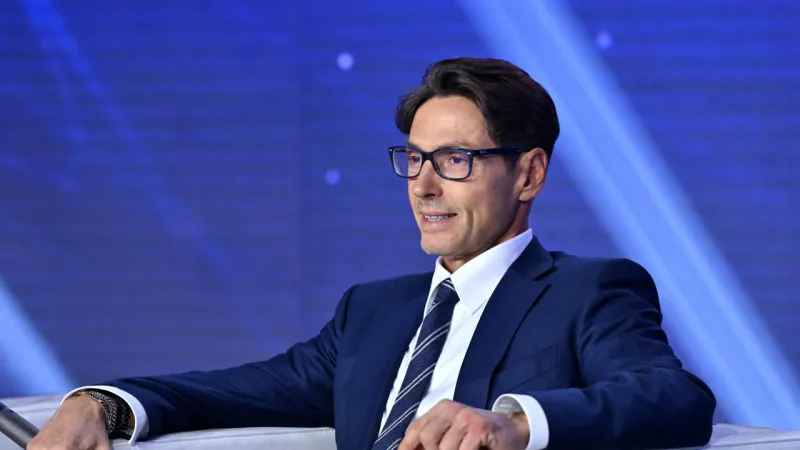
Milan -- Pier Silvio Berlusconi, the prominent Italian media executive and a leading figure within the Forza Italia party, has signaled a measured openness to General Roberto Vannacci potentially integrating into the nation's center-right political landscape.
Berlusconi articulated that Forza Italia, the party co-founded by his late father Silvio Berlusconi, would make its decisions regarding Vannacci's candidacy with complete autonomy. His remarks come amidst growing speculation surrounding the controversial general's political aspirations.
“Now he is doing propaganda, we await his program,” Berlusconi stated, indicating a desire to see a concrete political agenda from Vannacci rather than relying solely on public pronouncements or a personal platform.
The general, who garnered significant public attention and controversy for his best-selling book and outspoken views, has been a subject of intense debate regarding his suitability for mainstream political roles, particularly within the established center-right.
Beyond domestic political maneuvering, Berlusconi also expressed profound personal offense as an Italian concerning certain statements made by President Donald Trump. While the specific remarks were not detailed, Berlusconi conveyed a sense of national pride being slighted.
This criticism of President Trump's rhetoric underscores a potentially nuanced strain in transatlantic relations, even as Italy maintains strong alliances. Such comments from a figure of Berlusconi's stature often resonate widely within the European political sphere.
President Trump has, in recent years, sparked various diplomatic discussions with his policy decisions and public statements, including a notable reversal of a trade halt with Spain following an undisclosed payment revelation, as previously reported in Trump Reverses Spain Trade Halt Amid Mysterious Payment Revelation.
Despite his pointed remarks directed at the American President, Berlusconi firmly reiterated his unwavering support for Prime Minister Giorgia Meloni and her administration. This endorsement reinforces the unity and stability within the current Italian center-right governing coalition.
Forza Italia's strategic positioning within this coalition is critical. As a key partner, its independent assessment of potential new figures like Vannacci will shape the broader direction and appeal of the center-right bloc ahead of future elections.
Vannacci's entry could introduce new dynamics, potentially appealing to a segment of the electorate drawn to his nationalist and traditionalist stances, but also risking alienating more moderate voters within the coalition.
Berlusconi's cautious approach suggests that while the door may not be entirely closed to Vannacci, any integration would require a clear programmatic alignment with Forza Italia's principles and the wider center-right platform.
The political landscape in Italy remains fluid, with established parties continually adapting to new public figures and evolving voter sentiments. The careful navigation by leaders like Pier Silvio Berlusconi is paramount in maintaining coalition cohesion and electoral strength.
His twin statements—one addressing the internal future of the center-right and another commenting on international relations—highlight the multifaceted responsibilities and influences exerted by prominent political and media figures in Italy. The confluence of domestic political strategy and international commentary marks a significant moment for Italian politics.