Gabriella
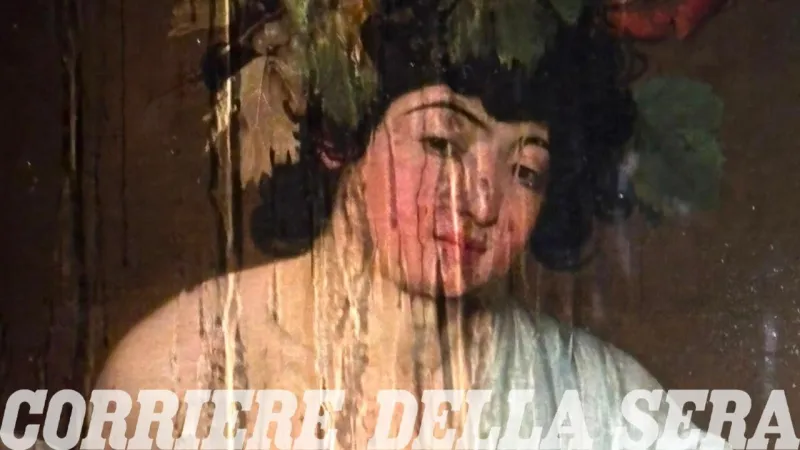
Florence, Italy – The world-renowned Uffizi Gallery recently experienced a concerning rain infiltration, directly impacting the protective display case housing Caravaggio's iconic Bacchus painting. The incident, which prompted immediate action from museum staff, occurred within the very hall dedicated to 17th-century Florentine and Roman art.
The unwelcome moisture was discovered seeping into the gallery, specifically affecting the vitrine encasing one of the Uffizi's most celebrated treasures. While the infiltration raised immediate alarms regarding the safety of the priceless artwork, officials moved quickly to assess the situation and mitigate any potential harm.
Caravaggio's Bacchus, painted between 1595 and 1596, represents a pivotal work in art history, showcasing the artist's masterful use of naturalism and chiaroscuro. Its presence at the Uffizi draws countless visitors annually, making its security a paramount concern for cultural heritage enthusiasts worldwide.
The same room where the incident occurred is home to a collection of seven other significant 17th-century paintings. While the immediate focus was on the Bacchus, the potential vulnerability of these additional masterpieces also became a point of professional scrutiny for the gallery's conservation teams.
Upon discovery, museum personnel initiated protocols to address the infiltration. Conservationists and technical staff thoroughly inspected the affected area and the artwork itself to ensure its integrity remained uncompromised by the moisture breach.
Speaking on the matter, a representative from the museum provided reassurance, stating, “Nessuna è danneggiata,” which translates to, “None is damaged.” This official declaration aimed to quell public apprehension and affirm the robust measures taken to safeguard the collection.
The Uffizi Gallery stands as a beacon of artistic and historical preservation, housing masterpieces that span centuries. Incidents like this underscore the constant vigilance required to protect these irreplaceable works from both environmental factors and the inevitable wear of time on historic structures.
Maintaining a complex, centuries-old building like the Uffizi presents ongoing challenges. While regular maintenance and structural assessments are routine, unforeseen events such as heavy rainfall can test even the most diligently upheld infrastructure, highlighting the delicate balance between preservation and environmental exposure.
Experts often point to the increasing intensity of weather events, a consequence of climate change, as a growing threat to cultural heritage sites globally. Historic buildings, not originally designed for contemporary climate patterns, face new pressures that demand adaptive and proactive protective strategies.
Visitors to the Uffizi Gallery can be assured that the institution remains committed to the highest standards of art preservation. The affected area has been secured, and monitoring continues to ensure no residual issues arise from the infiltration. The integrity of the collections remains the gallery's utmost priority.
The incident serves as a stark reminder of the perpetual battle against the elements faced by institutions dedicated to safeguarding humanity's artistic legacy. It reinforces the need for continuous investment in infrastructure, advanced conservation techniques, and rapid response protocols to protect cultural treasures for future generations.
The Uffizi's prompt response and transparent communication following this event reflect its dedication to its mission. While the rain briefly threatened one of its most valuable holdings, the immediate assessment and assurance of no damage reiterate the gallery's unwavering commitment to art preservation.