 Angela Stefani

TEHRAN, Iran – The strategic Strait of Hormuz is again a focal point of escalating geopolitical tensions as fresh warnings of military confrontation reverberate across the Persian Gulf. International observers and regional powers express profound concern over the potential for disruption in the vital maritime passage, which sees a substantial portion of the world's oil transiting daily.
These heightened anxieties stem from persistent rivalries and recent provocations involving key actors in the region, threatening to destabilize an already precarious security environment. The narrow chokepoint between Iran and the Arabian Peninsula remains exceptionally vulnerable to any escalation.
Historically, the Strait of Hormuz has been a flashpoint for numerous international incidents, underscoring its immense importance to global energy markets and international trade. Any impediment to free passage through its waters could have immediate and severe repercussions for the world economy.
While specific details remain shrouded in diplomatic ambiguity, sources indicate a hardening of positions among littoral states. Military exercises and increased naval patrols by various forces in recent weeks signal a readiness to assert control or defend interests within the critical waterway.
Iran, which borders the northern side of the Strait, has historically viewed the waterway as a crucial element of its national security and, at times, a leverage point against international sanctions or perceived aggression. Its pronouncements often contribute to the volatility of the region.
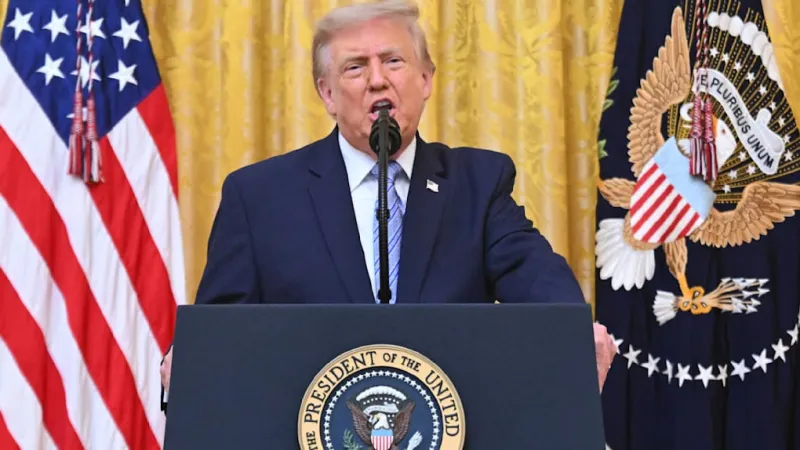
The White House, under President Donald Trump, has closely monitored developments, reiterating commitments to safeguarding freedom of navigation and protecting global energy supplies. The President's administration has previously taken strong stances on threats to maritime security in the Gulf.
Amidst these broader Gulf tensions, reports have highlighted specific security concerns, including allegations that Iran revives assassination plot against President Trump, as noted by intelligence sources. Such narratives undoubtedly add layers of complexity and risk to the already fraught diplomatic landscape.
These allegations align with previous warnings, as Israel warned Trump that Iran develops concrete assassination plot, further intensifying the perceived threat from Tehran and influencing strategic calculations for regional and international players.
Economists and energy analysts are already factoring potential disruptions into their forecasts. Oil prices typically react sharply to any signs of instability in the Strait of Hormuz, reflecting its indispensable role in the global energy supply chain.
Diplomatic efforts are reportedly underway to de-escalate the situation, though official statements from international bodies remain cautious. The United Nations and other multilateral organizations are urging restraint and dialogue among all parties involved.
Naval assets from several nations are maintained in or near the Gulf to deter aggression and ensure maritime security. The presence of these formidable forces, while intended for stability, also contributes to the delicate balance of power, where miscalculation could have severe consequences.
The coming weeks will be critical in determining whether these renewed war winds dissipate or intensify. The international community watches closely, hoping that diplomacy prevails over confrontation in preventing a wider conflict that could destabilize the global economy and security.