Gabriella
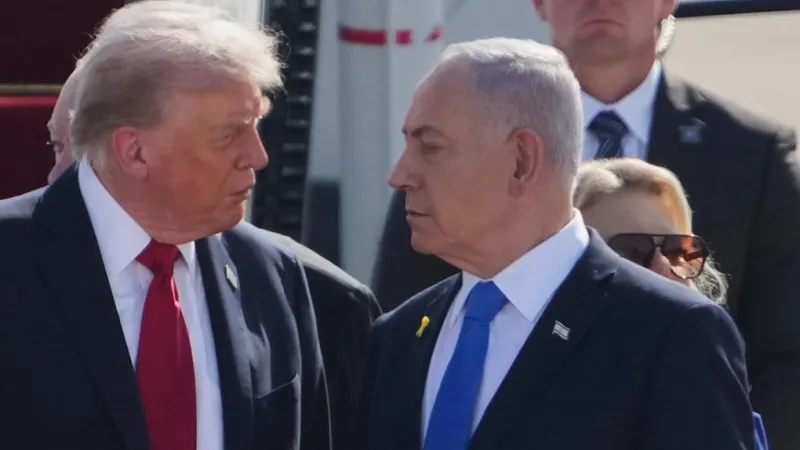
WASHINGTON — Israeli intelligence officials have reportedly informed the United States government of a concrete Iranian plan to assassinate President Donald Trump, escalating tensions between the nations. The alleged plot was a central topic during recent high-level consultations between Israeli Prime Minister Benjamin Netanyahu and President Trump, which also encompassed discussions about the perceived security risks posed by Turkish President Recep Tayyip Erdogan.
The grave warning, detailed in media reports, underscores the persistent animosity between Tehran and Washington, particularly following the 2020 targeted killing of Iranian Revolutionary Guard Corps Commander Qassem Soleimani. Israel's communication to its principal ally highlights a heightened level of concern regarding potential retaliatory actions by the Islamic Republic.
Sources close to the discussions indicated that the Israeli intelligence presented specific details of the alleged scheme, prompting immediate concern within the Trump administration. While precise operational specifics remain undisclosed, the term concrete suggests more than a general threat; it implies a discernible intention and perhaps identifiable targets or methods.
The revelation marks a serious escalation in intelligence sharing, building upon previous reports of such threats. As previously reported, Iran has consistently been accused of developing and reviving assassination plots against President Trump, particularly in the aftermath of Soleimani's death. Readers can find more context on past allegations in the article Iran Revives Assassination Plot Against President Trump, WSJ Reports.
Prime Minister Netanyahu's meeting with President Trump was described as pivotal, focusing on broader strategic cooperation to counter what both leaders perceive as Iranian aggression in the Middle East. The direct communication of such a sensitive intelligence finding illustrates the depth of the strategic alliance between the two countries.
Beyond the immediate threat to the U.S. President, the leaders also deliberated on the actions of Turkish President Erdogan. Israel reportedly conveyed its apprehension regarding Turkey's growing regional assertiveness and its potential to destabilize key areas, a concern that aligns with broader anxieties among some NATO allies.
The conversation around President Erdogan's foreign policy and its implications for regional security has been a recurring theme in Washington-Jerusalem dialogues. Israeli assessments, as highlighted in previous analyses, have often pointed to Turkey's actions as endangering regional stability. For further insight, refer to Israel Warns Trump: Erdogan's Turkey Endangers Regional Stability.
The White House has not yet issued a public statement directly confirming the specifics of the Israeli briefing regarding the Iran assassination plot. However, security measures for President Trump and high-ranking U.S. officials are routinely assessed and adjusted based on intelligence evaluations.
For its part, Iran has routinely dismissed such accusations as baseless propaganda designed to fuel anti-Iranian sentiment and justify aggressive policies. Tehran often casts itself as a victim of foreign interference and regional conspiracies orchestrated by the United States and Israel.
The specter of an assassination attempt by a hostile state carries immense geopolitical weight. Such an act would undoubtedly trigger a severe response from the United States, potentially plunging the Middle East into an unprecedented level of conflict.
Intelligence agencies worldwide are continuously monitoring the intricate web of regional actors and their capabilities. The detailed nature of Israel's alleged intelligence, if substantiated, would represent a significant development in the ongoing shadow war between Iran and its adversaries.
This development further complicates international efforts to de-escalate tensions in the Persian Gulf and re-engage with Iran on its nuclear program. Trust and dialogue become increasingly difficult amidst such severe security warnings.
Analysts suggest that the timing of this intelligence leak, coinciding with high-level bilateral meetings, could serve multiple purposes: to publicly deter Iran, to galvanize international support against Tehran, and to reinforce the strategic partnership between Washington and Jerusalem.
The broader implications extend to regional alliances. States bordering Iran, already wary of its influence, would likely view this alleged plot with alarm, potentially leading to a realignment of security priorities and an increased reliance on U.S. military presence.
As the situation unfolds, the international community will keenly watch for any official statements from the involved parties. The delicate balance of power in the Middle East remains precarious, susceptible to any perceived or actual acts of aggression.
The U.S. Department of State and the Pentagon are expected to coordinate their responses, which could include diplomatic overtures to allies, enhanced sanctions, or heightened military readiness in the region, depending on the veracity and severity of the intelligence.
This latest intelligence brief serves as a stark reminder of the volatile geopolitical landscape and the constant vigilance required to navigate complex international relations, particularly when involving states with deeply entrenched ideological differences.