 Debby Wijaya
During the intensifying heatwave events of Summer 2026, parents in numerous municipalities are confronting a profound dilemma: whether to send their children to school or keep them home amidst record-breaking temperatures and diverse local directives.
This widespread concern emerges as municipal authorities across affected regions, particularly evident in parts of Europe, issue disparate guidelines. Some localities have opted to close school classes entirely, citing health and safety risks, while others merely recommend that guardians retain their children at home if possible.
The lack of a cohesive, standardized approach at a national level places a significant burden on families. Parents, many of whom have professional obligations, find themselves navigating conflicting advice and practical challenges in ensuring both the safety and educational continuity of their children.
For many working families, the option of keeping children home is not economically viable, compelling them to send their youngsters to facilities that may not be adequately equipped to handle extreme heat. This scenario highlights a growing societal strain exacerbated by climate patterns.
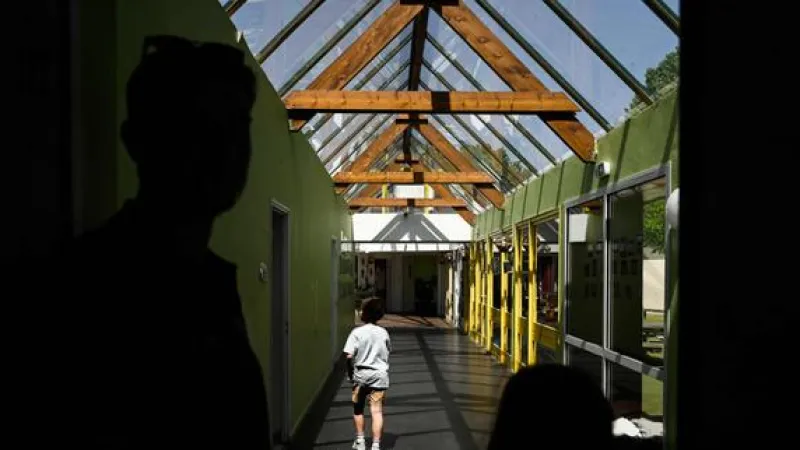
Educational institutions themselves grapple with the operational complexities. Schools, often housed in older buildings not designed for prolonged periods of intense heat, struggle to maintain safe internal temperatures, even with passive cooling measures.
Pediatric health experts emphasize the serious risks associated with heat exposure for children, including dehydration, heat exhaustion, and heatstroke. Classrooms lacking proper ventilation or air conditioning can quickly become hazardous environments, impeding concentration and overall well-being.
Parents report making ad-hoc arrangements, such as staggered school hours, providing personal fans, and ensuring children carry multiple water bottles. These individual efforts, while commendable, underscore systemic gaps in preparedness for future climate realities.
The situation resonates with prior tragic incidents, such as when a French heatwave claimed two young lives trapped in a family car, underscoring the severe dangers of elevated temperatures.
Education officials acknowledge the conundrum, balancing the imperative for school attendance with paramount health considerations. They note that frequent closures or attendance fluctuations disrupt learning pathways and create educational disparities.
Some proactive municipalities have invested in temporary solutions, distributing portable air conditioning units, installing shaded outdoor areas, and increasing access to water fountains. However, these are often reactive measures rather than comprehensive, long-term infrastructure improvements.
Looking ahead, urban planners and educational architects are beginning to prioritize climate resilience in new school constructions and renovations. This includes incorporating features like green roofs, enhanced insulation, and natural ventilation systems to mitigate the urban heat island effect.
The broader public health community advocates for the establishment of clear, enforceable national protocols for school operations during heatwave conditions. Such guidelines would offer clarity to municipalities, schools, and families alike.
These protocols could include specific temperature thresholds for mandatory closures, requirements for cooling infrastructure, and flexible learning options that minimize disruption during extreme weather events.
The debate extends beyond immediate responses, prompting discussions about curriculum adjustments. Educators are considering how best to integrate climate change education, fostering resilience and adaptability among the next generation.
The ongoing parental challenge during this heatwave serves as a potent reminder of the escalating impacts of climate change on daily life. It compels a reevaluation of public infrastructure and policy frameworks to safeguard the most vulnerable populations, especially children.
As Summer 2026 progresses, the varying responses to the heatwave highlight an urgent need for concerted action. A unified national strategy could provide parents with clearer guidance and schools with the necessary resources to protect students from the intensifying climate crisis.
Ultimately, the decisions made now regarding school policies in heatwave conditions will set precedents for how societies adapt to a warming world. The well-being of the youngest generations hangs in the balance.